Angel Wing in Ducks: Causes, Signs & Prevention
Angel wing, also known as airplane wing, slipped wing, crooked wing, and drooped wing, is a syndrome that affects primarily waterfowl, such as geese and ducks, in which the last joint of the wing is twisted with the wing feathers pointing out laterally, instead of lying against the body. In adult birds, the disease is incurable and usually leads to an early death, as affected birds are rendered effectively or totally flightless.
In young birds, wrapping the wing and binding it against the bird’s flank, together with feeding the bird a more nutritionally balanced diet, can reverse the damage. Angel wing—also called twisted wing, slipped wing, or crooked wing—is a deformity seen mainly in young, rapidly growing ducks and geese. The last joint of the wing twists outward, causing the developing flight feathers to stick away from the body instead of lying flat against the duck’s side. It may affect one or both wings.
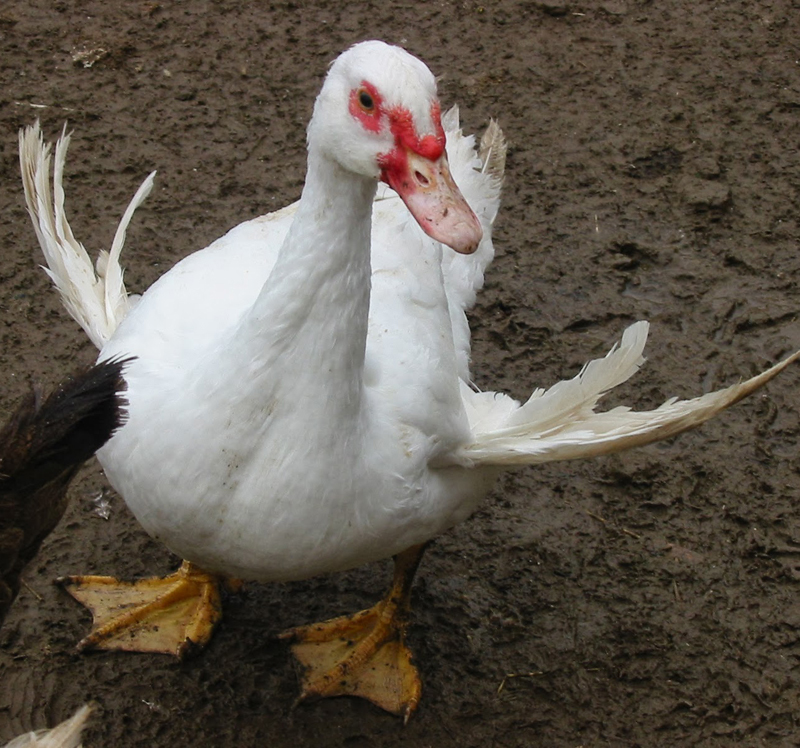
Because of the discussions I have heard over the years on the cause of angel wing, I did a search on the subject. Waterfowl from many parts of the world develop the condition, especially in wild birds, so it would seem that it is a nutritional problem. The only wild waterfowl populations known to be affected are those fed by man.
It is suggested to not feed high protein, high energy feed (such as poultry feed), provide plenty of room for exercise, keep in small groups, and provide plenty of grass or green feed.
Your birds, as adults, don’t need to be fed at night anyway. They can go 6 hours without food and water. Feeding ducklings a diet too high in protein/energy causes them to grow too fast, and the weight of their wings ends up being greater than the strength of the wing to support itself. This is what causes the twisting at the very tip of the wing. If you notice, as your waterfowl is growing, the wings are always the last part of the body to grow out.
Ensure protein level is no greater than 16% at the maximum.
A tiny piece of bread on occasion is unlikely to harm a healthy adult duck, but bread should never become an important part of its diet. Bread fills a duck’s stomach without providing the balanced nutrition found in proper duck feed. Foods high in sugar, salt, or fat should also be kept to an absolute minimum.
Most importantly, never feed moldy or spoiled food. Ducks can be particularly susceptible to toxins produced by certain molds. Feed should always be stored somewhere clean and dry, and wet feed that begins to spoil should be discarded.
Watch for the Early Signs
Angel wing usually develops while a duck is still growing. You may first notice that:
- The flight feathers begin pointing outward.
- One wing doesn’t lie as smoothly against the body as the other.
- The tip of the wing appears to turn away from the duck.
- The abnormal angle becomes increasingly noticeable as the flight feathers grow.
Early detection is very important. While the bones and joints are still developing, mild cases may sometimes be corrected. Once the bird is fully grown and the bones have hardened in the abnormal position, angel wing is generally permanent.
Possible Causes
The exact cause is not completely settled. Rapid growth and nutritional imbalance are strongly associated with the condition, especially when young waterfowl receive excessive calories or an inappropriate diet while their wing bones, muscles, and large flight feathers are developing. Genetics and other husbandry factors may also play a role, so it is overly simplistic to say angel wing is caused only by “too much protein.”
Feeding a properly balanced food formulated for ducks or waterfowl is one of the best preventive measures. Avoid allowing bread, crackers, cereal, or other human foods to become a significant part of the diet. Diets based heavily on bread, corn, or lettuce can be nutritionally deficient and are not appropriate substitutes for complete waterfowl feed.
Young ducks should also have enough room to walk, exercise, stretch, and flap their wings normally.
Prevention
Prevention Is Much Easier Than Correction. A balanced diet, appropriate growth rate, adequate exercise, and watching the wings closely while your ducklings feather out are the best defenses. Check those little wings every day during the rapid-growth period. If you see the flight feathers beginning to turn outward, dealing with it early gives you the best chance of correcting it.A balanced diet, appropriate growth rate, adequate exercise, and watching the wings closely while your ducklings feather out are the best defenses. Check those little wings every day during the rapid-growth period. If you see the flight feathers beginning to turn outward, dealing with it early gives you the best chance of correcting it.
Treating Angel Wing
If you notice a wing beginning to turn outward, first make sure your duck is receiving an appropriate, balanced waterfowl diet and avoid excessive treats or high-calorie foods.
A young duck’s affected wing can sometimes be temporarily wrapped into the correct position while it continues growing. However, wrapping needs to be done correctly. A wrap that is too tight, positioned incorrectly, or left unchecked can interfere with circulation or cause additional injury. Ideally, have an avian veterinarian or someone experienced with waterfowl show you how to position and wrap the wing, particularly if you’ve never done it before.
If the duck is already an adult, angel wing usually cannot be corrected simply by wrapping. Fortunately, in domestic ducks that do not need to fly, an established angel wing may primarily be a physical deformity rather than an immediate health emergency. Any pain, swelling, injury, difficulty moving the wing, or sudden change in wing position, however, deserves veterinary attention because those signs could indicate an injury rather than ordinary angel wing.
Egg Binding in Ducks: Signs and When It’s an Emergency
Signs to watch for
Watch closely for a laying female who suddenly behaves differently. Possible signs include:
- repeated straining or squatting without producing an egg
- a wide-legged or unusually upright, “penguin-like” stance
- swollen or enlarged abdomen
- tail pumping or bobbing
- lethargy, weakness, or sitting down more than usual
- decreased appetite or refusal to eat
- fewer or no droppings
- suddenly stopping egg production
- difficulty walking or standing
- labored breathing
- tissue or an egg visible at the vent
These symptoms can also occur with other reproductive illnesses, so an egg should not be assumed to be present simply because a duck is straining. Veterinarians may use an examination, X-rays, or ultrasound to determine whether an egg is trapped. Soft-shelled or shell-less eggs can be particularly difficult to detect without diagnostic imaging.
Possible Causes
Several things can contribute to egg binding. Calcium deficiency is particularly important because calcium is needed both for proper eggshell formation and normal reproductive muscle function. Soft or malformed eggs can be more difficult for a duck to pass. Other contributing factors can include oversized or abnormally positioned eggs, poor nutrition, obesity, lack of exercise, reproductive-tract disease, excessive laying, or abnormalities of the oviduct.
Young females laying their first eggs may also experience problems, and high-production females can become depleted after producing many eggs.
Another problem that people have issues with, is the lack of calcium for their hens, once they start laying eggs. Laying eggs for a female duck is very hard on them. Some ducks can lay up to almost 300 eggs a year. Laying so many eggs requires a HUGE amount of calcium.
Your duck food will never provide the amount of calcium needed to lay all those eggs. This is why you need to supplement with Oyster shell. You can also keep their eggs and crush the shell to use them as a calcium source. I notice that some ducks don’t like oyster shells and so, that still leads to a calcium deficiency problem. They do sell grounded oyster shells as well.
One of my ducks doesn’t like how sharp oyster shells are. Some brands have very sharp, big pieces of shell that hurt the duck’s mouth. They have very soft tissue in their mouth and so I suggest giving oyster shells in ground form. One reason some prefer feeding oyster shells is that it also provides help grinding the food down in the duck’s gizzard. If your duck spends a lot of time outside, they will find pebbles, mud, dirt to help grind their food. They are pretty smart and usually know naturally what they need.
This will prevent your ducks from becoming egg bound. Egg binding in a duck is an extremely death threatening problem that needs to be resolved right away or the duck risks passing away in a very painful way. Keep in mind that avian vets are not always readily available. It is easily preventable by choosing to offer supplement to your laying hen as soon as you see them laying a soft shell egg. It also helps them push the egg out easier. Calcium helps ease the muscle contracting to push out an egg.
When the hen lacks calcium, the egg will be a lot harder to push out because it will be too soft, and risk getting stuck or perforating in your hen. That is an extremely dangerous and painful situation for your duck.Egg binding happens when a female duck is unable to pass an egg normally and the egg remains trapped in the reproductive tract. It can become a serious veterinary emergency, especially if the duck becomes weak, stops eating, or has trouble breathing. Egg-bound birds often need supportive treatment such as fluids and calcium, and some require veterinary removal of the egg.
Preventing Egg Binding
Good nutrition is one of the most important preventive measures. Laying ducks should receive a nutritionally complete diet appropriate for laying waterfowl, with adequate calcium, phosphorus, vitamin D, and other vitamins and minerals. Calcium deficiency is associated with thin-shelled eggs, cessation of laying, egg binding, and cloacal prolapse.
Keeping ducks at a healthy weight and allowing plenty of daily exercise can also help. Avoid encouraging unnecessary year-round egg production with excessive artificial lighting; extending daylight is specifically used to stimulate prolonged egg production in ducks.
If one of your ducks is currently straining or acting egg-bound, tell me what she is doing—whether she’s walking, eating, pooping, breathing normally, and when she last laid an egg—and I can help you determine how urgent the situation sounds.
This type of oyster shell is in a pebble form which is easier than the sharp shell, for your duck to swallow. This type, or the very fine powder type oyster shell are best for your laying duck and won’t hurt them.

What to Do
If you suspect egg binding, move the duck into a quiet, warm, low-stress environment and contact an avian, poultry, or exotic-animal veterinarian as soon as possible. Provide easy access to drinking water and food without making her walk far.
Warmth and appropriate humidity are commonly part of veterinary supportive care. A veterinarian may also administer fluids and calcium and determine whether additional medication or egg removal is necessary.
Do not squeeze the duck’s abdomen, force an egg out, insert objects into the vent, or intentionally break an egg inside her. An egg may be soft-shelled, adhered to the reproductive tract, or incorrectly positioned, and forceful manipulation can injure the oviduct or cloaca. Veterinary extraction may require sedation or anesthesia.
When veterinary care is needed
A duck that is very weak, unable to stand, breathing heavily, repeatedly straining, bleeding, prolapsing tissue from the vent, or becoming unresponsive needs urgent veterinary attention. Birds often hide illness until they are quite sick, so a noticeable decline should be taken seriously.
For egg binding options I reccomend this liquid calcium as an emergency aid. It has save my birds several times. Click on the image to get the product.
Bumblefoot in Ducks: Symptoms, Prevention & Treatment
Another common health problem in ducks is the dreaded bumblefoot. Bumblefoot is a common condition seen in many birds kept in captivity. Prevention, early recognition, and early treatment are key when it comes to managing bumblefoot. Bumblefoot results from several contributing factors.
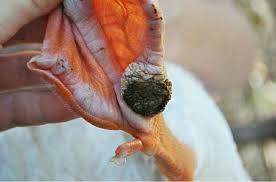
This includes any existing foot deformity, having excess weight, trauma, poor circulation, irritation (such as excessive friction or pressure), exposure to rough or inappropriate surface used for flooring, excessive moisture, poor sanitation, a cut, a scratch.
What does Bumblefoot Look Like?
During the early stages of bumblefoot, it may initially appear as a small, superficial lesion, rough abrasion, or mild discoloration of the foot. However, once there is a breakdown in the skin barrier, it provides a direct opening for opportunistic bacteria (Staphylococcus aureus) to enter and cause infection.
Once the foot is infected, ducks often begin to show slight behavioral changes (associated with onset of pain caused by the infection), and varying degrees of lameness. If left untreated the infection often becomes chronic and progressive, eventually spreading into the underlying bones, tendons and joints resulting in osteomyelitis, tenosynovitis, septicemia, and arthritis.
Initially, if it is a relatively mild or early stage bumblefoot, daily Epsom salt soakings, bandage, nutritional support, and strict sanitation of the environment to ensure the duck’s foot stays clean and dry may be sufficient. However, if after 1-2 weeks you see no improvement or it gets worse, then you need to schedule an appointment with your veterinarian as surgery of the wound and antibiotics for the infection may be necessary.
Prevention
Maintain a sanitary environment for birds to live in. Provide a soft, even, and clean floor surface. Design outdoor runs with proper drainage to prevent flooding and accumulation of mud. Feed a balanced diet, making sure your ducks are getting enough vitamin A. Encourage daily swimming in a pool to keep their feet clean.
Treatments
The primary goal in treating bumblefoot is to obtain healing as soon as possible. The faster the healing, the less chance of infection spreading. It is really important to keep the foot as clean and dry as possible, to prevent contamination with bacteria and other foreign organisms. This is where daily bandaging is important, and strict sanitation. Taking pressure off the area: For optimum healing. This can be accomplished with a duck shoe or bandage. Some additional vitamins, especially vitamin A can be helpful.
Treatment: Keep their living area as clean as possible. Practice good hygiene to reduce fecal buildup. Encourage ducks to spend as much time in the water. Provide a small pool, pond, large water trough, or any container that can be filled with water. Provide enough depth so that the ducks can float without their feet touching the bottom of the pool. Without surgery, there is always a possibility that the bumblefoot infection can come back later.
For bumblefoot treatment here is a good drawing salve that can help draw the infection. Click the image to get the product.

Bumblefoot Complications
Bumblefoot left untreated or improperly treated, can lead to osteomyelitis, which occurs when the infection spreads to the bone. Another serious complication of bumblefoot is that if the condition becomes chronic in nature, it increases the bird’s risk of developing amyloidosis, which is a fatal progressive condition which has no cure.
Duck Viral Enteritis
Duck viral enteritis, often called duck plague, is a contagious herpesvirus disease of ducks, geese, and other waterfowl. Duck viral hepatitis primarily affects very young ducklings, particularly during the first few weeks of life.
The disease can spread extremely rapidly. Ducklings may develop spasms or contractions of the legs and can die very suddenly. Young ducklings are substantially more susceptible than older ducks.
Sudden deaths among multiple young ducklings require immediate veterinary attention.
Possible signs include:
- Sudden death
- Extreme lethargy
- Ruffled feathers
- Loss of appetite
- Greenish-yellow diarrhea
- Bloody diarrhea
- Blood around the vent or nostrils
It is particularly associated with mature ducks, although younger birds can also become infected.
There is no appropriate home remedy for suspected duck plague. Veterinary diagnosis and disease-control measures are necessary.
Riemerella Infection
Riemerella anatipestifer causes a serious bacterial disease sometimes called infectious serositis or historically “New Duck Disease.”
Signs can include:
- Lethargy
- Eye discharge
- Diarrhea
- Head shaking
- Loss of coordination
- Twisted neck
- Difficulty walking
- Ducks lying on their backs and paddling their legs
The infection can involve the respiratory system, membranes around internal organs, and nervous system.
Because several diseases can produce similar neurological symptoms, diagnosis by a veterinarian or diagnostic laboratory is important. Antibiotics are usually necessary, but there is no single antibiotic that can be recommended for every case. Riemerella strains can be resistant to multiple antibiotics, and resistance patterns vary considerably between outbreaks. This is why culture and sensitivity testing is particularly important.
Do not automatically use leftover antibiotics or choose an antibiotic solely because it worked for another duck. Some Riemerella isolates have shown substantial resistance to commonly used drugs, including streptomycin, penicillin-family drugs, and several other antimicrobials.
Withdrawal requirements also matter for ducks whose eggs or meat could enter the food supply.
You can get enrofloxacin here, it is good for ducks as well. I prefer liquid because it is generally easier to administer to birds.
https://birdpalproducts.com/products/enrofloxacin-10-liquid-for-birds?_pos=1&_sid=8ab83aef5&_ss=r
Supportive Care
While veterinary treatment is being arranged, separate the sick duck from the rest of the flock while keeping it within sight or sound of companions when practical to reduce stress. Keep the duck in a warm, quiet, clean and dry environment with easy access to fresh water and appropriate food.
Hydration is particularly important. Sick ducks may become dehydrated quickly if they are not drinking. A veterinarian may recommend oral or injectable fluids depending on the duck’s condition. Keep food and water dishes immediately beside a weak bird so it does not have to walk far.
Avoid forcing water down a weak duck’s throat because liquid can accidentally enter the lungs. Ducks showing severe neurological signs, inability to swallow, difficulty breathing, extreme weakness, or inability to stand need urgent veterinary care.
E. coli Infection
Certain strains of Escherichia coli can cause serious infections in ducks.
Young ducklings may develop bloodstream or yolk-sac infections, while adult females can develop reproductive-tract infections such as salpingitis or peritonitis. Cornell notes that E. coli infections can sometimes produce lesions similar to those caused by Riemerella.
Clean water, clean bedding, good ventilation, and sanitary housing help reduce the risk.
Treatment
1. Have the duck examined and cultured
A veterinarian can collect samples for bacterial culture and antibiotic-susceptibility testing. This is particularly important with E. coli because many avian strains are resistant to several antibiotics. Merck specifically recommends basing antimicrobial treatment on susceptibility testing whenever treatment is pursued.
This also helps distinguish E. coli from diseases such as Riemerella, Pasteurella, Mycoplasma, or other septicemic infections.
2. Antibiotics may be necessary—but the correct one matters
E. coli is bacterial, so a seriously affected duck may require an antibiotic prescribed by a veterinarian. However, there is no single antibiotic that reliably treats every E. coli infection.
Resistance to tetracyclines, streptomycin, sulfonamides and other drugs is common among avian E. coli isolates.
For this reason, avoid simply treating with whatever antibiotic happens to be available.
3. Give supportive care
While veterinary treatment is being arranged:
- Separate the sick duck from the flock.
- Keep it somewhere quiet, clean, dry, and comfortably warm.
- Provide unlimited fresh drinking water.
- Keep food and water directly beside the duck if it is weak.
- Offer its normal nutritionally complete duck feed, preferably moistened if that encourages eating.
- Replace heavily contaminated bedding frequently.
- Wash food and water dishes every day.
- Prevent the bird from swimming if it is weak enough that it could become chilled or drown.
A severely dehydrated or septic duck may need professional fluid therapy in addition to antimicrobial treatment. Septicemia can progress rapidly.
4. Correct the source of the infection
E. coli is normally present in the intestinal tract, so eliminating every E. coli bacterium from the environment is neither possible nor necessary. Disease becomes more likely when pathogenic strains or heavy fecal contamination combine with stress, respiratory disease, wounds, or other health problems.
Clean up:
- Muddy or feces-contaminated drinking areas
- Standing dirty water
- Wet bedding
- Poor ventilation
- Excessive ammonia or dust
- Overcrowding
- Rodent and fly problems
Here are treatments for E. Coli. It is good for ducks as well.
https://birdpalproducts.com/collections/salmonella-e-coli-paratyphoid-1/Chickens
When it is an emergency
Seek an avian/exotics veterinarian urgently if the duck is unable to stand, refuses both food and water, has severe diarrhea with profound weakness, struggles to breathe, develops a markedly swollen abdomen, has neurological signs, becomes unusually cold or unresponsive, or deteriorates rapidly.
Young ducklings with suspected septicemia can decline particularly quickly.
Important distinction
E. coli found in feces does not automatically prove that E. coli is causing the illness. E. coli normally inhabits birds’ intestines. Diagnosis of colibacillosis is much stronger when pathogenic E. coli is isolated from blood, liver, bone marrow, or characteristic internal lesions, rather than simply from a fecal sample.
Avian Cholera
Avian or fowl cholera is caused by Pasteurella multocida.
Possible signs include:
- Loss of appetite
- Diarrhea
- Mucus from the mouth
- Difficulty breathing
- Weakness
- Sudden death
Poor sanitation and contaminated standing water can contribute to disease problems.
Treatment
- Isolate sick ducks immediately. Keep them somewhere warm, dry, quiet, and protected from the rest of the flock.
- Contact an avian/poultry veterinarian. Culture and antibiotic-susceptibility testing are especially useful because antibiotic-resistant strains of Pasteurella multocida occur.
- Antibiotics are usually required. Depending on susceptibility results and applicable regulations, veterinarians may use medications such as sulfadimethoxine, sulfamethazine, oxytetracycline, or chlortetracycline. Early treatment at an adequate dose is important.
- Do not choose the antibiotic or dose by guesswork. Ducks are considered food-producing animals under many U.S. drug regulations, even when kept as pets, and some drugs have restrictions or egg/meat withdrawal periods. Prescription drugs must be used according to veterinary directions.
- Provide supportive care. Make sure affected ducks remain hydrated and can easily reach fresh water and food. Severely weak or dehydrated birds may need veterinary fluid therapy.
- Remove dead birds immediately. Carcasses can be an important source of infection because other ducks may peck at them.
- Clean and disinfect housing, feeders, water containers, equipment, footwear, and contaminated areas. P. multocida is susceptible to common disinfectants, drying, sunlight, and heat.
- Control rodents and keep wild birds away from the flock. Chronically infected birds and asymptomatic carriers can also maintain the infection.
Important: antibiotics may control the outbreak without eliminating it
One of the biggest problems with duck cholera is that ducks can improve during antibiotic treatment and then become sick again after treatment stops. Treatment may reduce deaths without completely eliminating P. multocida from the flock, and recovered birds can potentially remain carriers
You can find treatments for duck Cholera here. It is good for ducks as well.
https://birdpalproducts.com/collections/fowl-cholera/Chickens
Aspergillosis in Ducks: Symptoms & Prevention
Aspergillosis is a fungal respiratory disease associated with inhaling spores from molds such as Aspergillus.
Damp or moldy bedding and feed are major risk factors.
Affected ducks may show:
- Gasping
- Difficulty breathing
- Weakness
- Lethargy
- Dehydration
The fungus can produce lesions in the lungs and air sacs. Keeping bedding dry and never feeding moldy food are important preventive measures.
Treatment
Aspergillosis can be difficult to treat, particularly once extensive lung or air-sac lesions have developed. A veterinarian experienced with poultry or birds should ideally confirm the diagnosis and determine how advanced the infection is. Diagnostic testing can include bloodwork, X-rays, endoscopy, cytology, fungal culture, biopsy, or PCR testing.
Common veterinary treatments include:
- Systemic antifungal medication. Itraconazole, voriconazole, amphotericin B, and sometimes terbinafine are among the antifungal drugs used in birds. The appropriate drug and dose depend on the duck’s weight, condition, infection location, and other factors.
- Nebulized antifungal treatment. Veterinarians may use medications such as amphotericin B or clotrimazole by nebulization, often together with systemic antifungal therapy.
- Oxygen and supportive care. Severely affected birds may require oxygen, fluids, nutritional support, and other intensive care.
- Removal of fungal masses. Large fungal plaques or granulomas may sometimes need to be removed endoscopically or surgically because medication may have difficulty penetrating them.
- Long-term treatment and monitoring. Treatment often needs to continue well beyond the point when the duck appears better. Recurrence can occur because damaged and scarred air sacs may provide conditions where infection can return.
Antibiotics will not cure aspergillosis, because it is a fungal infection rather than a bacterial one.
Correct the environment immediately
Environmental management is extremely important. Remove and discard any moldy feed, hay, straw, wood shavings, or damp bedding. Keep housing dry and well ventilated, clean feeders and water containers regularly, and prevent feed from becoming wet or moldy. Improving ventilation and reducing fungal contamination are important parts of controlling aspergillosis in poultry.
Avoid exposing a sick duck to dust, smoke, aerosols, strong cleaning fumes, essential-oil vapors, or ammonia from dirty bedding, since respiratory irritation can make breathing more difficult.
When it is an emergency
A duck that is open-mouth breathing, gasping, turning blue or very pale, unable to stand, extremely weak, or struggling for every breath needs urgent veterinary attention. Aspergillus plaques can occasionally obstruct the trachea, and severe cases may require emergency airway intervention.
Prognosis
Early and localized infections have a better chance of responding to treatment. Advanced disease involving extensive lung or air-sac lesions is much harder to treat, and the prognosis can be guarded. Treatment in poultry can be prolonged and sometimes unsuccessful.
Important for laying or food-producing ducks: many antifungal drugs used in birds are extra-label, and appropriate egg and meat withdrawal periods may be lengthy or uncertain. A veterinarian should determine whether eggs or meat can safely be consumed during and after treatment.
Botulism in Ducks: Symptoms, Risks & Prevention
Botulism is a potentially fatal poisoning caused by toxins produced by Clostridium botulinum under suitable environmental conditions. Ducks may encounter the toxin around stagnant water, decomposing organic matter, carcasses, or areas containing rotting material.
A classic symptom is progressive paralysis:
legs → wings → neck
Eventually the duck may be unable to hold its head up, which is why the condition is sometimes called limberneck. Severe cases can progress rapidly and are veterinary emergencies.
What to do immediately
- Remove the duck from all ponds, pools, and deep water. Keep it on dry bedding where it cannot fall into water.
- Move it away from the suspected source. Remove spoiled feed, stagnant/decaying water, dead animals, maggots, rotting vegetation, and other decomposing material. Botulism outbreaks in waterfowl are strongly associated with these sources.
- Keep the duck quiet, protected, and comfortably warm, but not overheated. A severely weak duck may need rolled towels around its body to help it remain upright with its head supported.
- Provide hydration only if the duck can swallow normally. Offer fresh water or an appropriate poultry electrolyte solution within easy reach. If the duck cannot control its head or swallow normally, do not pour or syringe water into its mouth because it can aspirate fluid into its lungs. Veterinary fluid therapy may be necessary.
- Contact an avian/poultry veterinarian urgently, particularly if the duck cannot walk, cannot hold its head up, is having difficulty swallowing, or has abnormal breathing.
Veterinary treatment
There is no medication that can reverse toxin that has already attached to the nerves, so supportive care is extremely important while the duck’s nerve function recovers. Veterinary treatment may include fluids, electrolyte correction, nutritional support, respiratory support, and management of complications. Ducks can recover with supportive care when the toxin dose is not overwhelming.
Botulinum antitoxin may be available through a veterinarian. It neutralizes toxin that is still circulating but cannot remove toxin already bound to nerve endings, so it is most useful when given early. Type C antitoxin treatment in ducks is often successful, although availability and expense can make it difficult to obtain.
Antibiotics are not an antidote for botulinum toxin. Certain antibiotics have sometimes been used during poultry outbreaks when veterinarians suspect toxin-producing bacteria are growing within the intestinal tract, but they should not be given routinely without veterinary guidance.
Be careful with home “flushes”
You may see treatments online recommending Epsom salts, molasses flushes, or large doses of activated charcoal. I would not force-feed or force liquids into a weak or paralyzed duck. Birds with impaired swallowing have a significant risk of aspirating liquids or charcoal into their lungs, and laxative-type treatments can worsen dehydration. Activated charcoal is sometimes used for poisonings, but whether it is appropriate depends on when the toxin was eaten and the bird’s swallowing ability.
Protect the rest of the flock
Botulism is generally an intoxication rather than a contagious infection spreading directly from duck to duck, but several ducks can become sick because they share the same contaminated environment. Immediately remove carcasses and maggots, replace contaminated bedding or feed, clean drinking containers, control flies and rodents, and prevent access to stagnant water or decomposing organic matter. Removing dead birds rapidly is especially important because the carcass–maggot cycle can perpetuate waterfowl botulism outbreaks.
Emergency signs: inability to hold the head up, complete leg or wing paralysis, difficulty swallowing, open-mouth or labored breathing, collapse, or a duck becoming unable to remain upright. These warrant immediate veterinary treatment.
Internal & External Parasites in Ducks
Ducks can develop both internal parasites (worms and protozoa living inside the body) and external parasites such as mites and lice. Because different parasites require different medications, treating without identifying the parasite can be ineffective—and some poultry medications are not labeled for ducks.
A fresh fecal examination is one of the best first steps when internal parasites are suspected. Worm eggs and many protozoa can be identified microscopically, although a single negative test does not completely rule out worms because egg shedding can be intermittent.
Internal parasites
| Parasite | Common signs | Typical treatment approach |
|---|---|---|
| Roundworms — Ascaridia | Weight loss, poor growth, diarrhea, weakness; occasionally worms in droppings | Fenbendazole or another veterinarian-selected anthelmintic |
| Capillary worms — Capillaria | Weight loss, diarrhea, poor appetite, weakness | Often fenbendazole, depending on species |
| Gizzard worms — Amidostomum | Weight loss, weakness, anemia, poor condition | Veterinary anthelmintic treatment |
| Tracheal/respiratory worms | Coughing, gasping, open-mouth breathing, head shaking | Urgent veterinary diagnosis and appropriate anthelmintic |
| Tapeworms | Weight loss, diarrhea, poor condition; segments may occasionally be visible | Usually a praziquantel-based treatment selected by a veterinarian |
| Flukes | Weight loss, diarrhea, intestinal disease; sometimes severe illness | Treatment is parasite-specific; praziquantel or other medications may sometimes be used |
| Coccidia | Diarrhea, lethargy, weight loss, dehydration; severe disease can occur in ducklings | Anticoccidial medication plus supportive care |
Ducks can carry several important nematodes, including Ascaridia galli, Capillaria species, Amidostomum anseris, Heterakis species, and respiratory worms. Some can cause severe disease.
Fenbendazole
Fenbendazole is one of the medications veterinarians commonly use against many roundworms and capillary worms in birds. However, U.S. approvals for poultry products are species-specific; for example, some fenbendazole products are approved for chickens or turkeys rather than ducks. Using them in ducks may therefore require veterinary guidance and appropriate residue/withdrawal recommendations.
I would not automatically deworm every duck on a routine schedule. A fecal examination helps determine whether parasites are present and whether treatment is actually necessary.
Tapeworms
Tapeworm infections require a different drug from most roundworms. Praziquantel is commonly used against avian tapeworms, but poultry use in the U.S. is generally extra-label and should be directed by a veterinarian. Simply killing the worms may not prevent recurrence because ducks can become reinfected by eating intermediate hosts such as insects, slugs, snails, or earthworms.
Flukes
Free-ranging ducks with access to ponds, snails, aquatic insects, and other intermediate hosts may develop fluke infections. Some waterfowl flukes can cause severe intestinal disease and even hemorrhagic diarrhea. Treatment is more difficult and depends heavily on identifying the parasite.
Coccidiosis
Ducks can develop coccidiosis from several species of protozoa. Some infections cause little disease, while others—particularly in young ducklings—can cause severe diarrhea, dehydration and mortality. Anticoccidial treatment and supportive care may be required.
Because not every duck coccidia species responds equally to the same medication, I would avoid automatically treating diarrhea with Corid/amprolium without knowing the cause.
Here are treatments for worms in ducks. It is good for ducks as well.
https://birdpalproducts.com/collections/worms-1/Chickens
External parasites
Mites
Look particularly around the:
- vent
- underside of the wings
- breast and abdomen
- feather bases
- head and neck
Signs include constant scratching or preening, irritated skin, scabs around the vent, damaged feathers, blackened or dirty-looking feather bases, weakness and anemia with severe blood-feeding mite infestations.
Treatment
A poultry-labeled permethrin or pyrethrin product is commonly used for poultry mites. Follow the actual product label carefully because concentrations vary tremendously between products. Permethrin products may be intended for the bird, the premises, or both.
Treating only the duck may not solve the problem. Poultry red mites, for example, spend much of their time hiding in:
- bedding
- cracks
- nest boxes
- walls
- crevices
- wooden housing
They return to the bird to feed. The enclosure therefore needs to be thoroughly cleaned and appropriately treated as well.
Many external-parasite treatments do not kill parasite eggs, which is why another treatment may be necessary after the eggs hatch. Follow the retreatment interval stated on the product label rather than repeatedly spraying the birds.
Lice
Duck lice generally remain on the bird and feed on feathers, skin debris and sometimes blood.
Signs include:
- excessive preening
- scratching
- restless behavior
- ragged or broken feathers
- dull plumage
- visible insects moving through feathers
- clusters of eggs attached to feather shafts
Poultry lice eggs are resistant to many treatments, so treatment often needs to be repeated after newly hatched lice emerge. Approximately 10 days as a common retreatment interval for poultry lice, although the pesticide label should always take priority.
Treat the duck and the environment
Parasite control is much more successful when you also reduce reinfection.
Keep bedding clean and dry, clean feeders and waterers frequently, remove heavily contaminated bedding, prevent overcrowding, reduce contact with wild birds and rodents, quarantine new ducks before introducing them to the flock, and periodically inspect the skin and vent area of every duck. Proper litter management also helps reduce internal parasite exposure.
For an affected flock, it is often appropriate to examine or treat all exposed ducks, rather than repeatedly treating only the visibly affected bird.
Ivermectin is sometimes prescribed for birds and can be useful against certain parasites, including some mites, but it is extra-label in poultry, has important dosing considerations, and does not treat every type of internal parasite.
Diatomaceous earth may help reduce some external parasites, but it should not be relied upon for a heavy infestation. Dust can also irritate the respiratory tract, so it should never be allowed to create clouds of powder around ducks.
Here are treatments for external parasites
https://birdpalproducts.com/collections/mites-lice-flies-1/Chickens
Candida Infection in Ducks
Candidiasis, sometimes called thrush, crop mycosis, or sour crop, is a fungal/yeast infection most commonly caused by Candida albicans. Candida can normally exist in small numbers in a bird’s digestive tract without causing disease. Problems develop when the normal digestive flora becomes disrupted and the yeast overgrows.
Ducklings, debilitated ducks, and birds recently treated with broad-spectrum antibiotics are particularly susceptible. Unsanitary drinking water, dirty feeding equipment, poor nutrition, heavy parasite burdens, stress, and other illnesses can also contribute.
Symptoms
| Possible sign | What you may notice |
|---|---|
| White or cream-colored patches | Raised plaques inside the mouth or throat |
| Sour-smelling breath/crop | Fermenting or unpleasant odor |
| Slow crop emptying | Food remains in the crop longer than normal |
| Enlarged or soft crop | Crop may contain mucus or undigested food |
| Regurgitation | Food or fluid coming back up |
| Poor appetite | Duck eats less or refuses food |
| Weight loss | Especially with chronic infection |
| Lethargy | Weakness, sleeping more, reduced activity |
| Poor growth | Particularly noticeable in ducklings |
Candida can produce characteristic whitish raised plaques or pseudomembranes in the mouth, esophagus, and crop. The lining of the crop may become markedly thickened.
Treatment
A veterinarian can examine crop contents or oral lesions microscopically to determine whether Candida is actually causing disease. Simply finding Candida on a culture does not necessarily prove infection because small numbers can occur naturally in healthy birds.
Nystatin is one of the medications most commonly used for gastrointestinal Candida infections in birds. It remains largely within the digestive tract, so it works by directly contacting the affected tissues. Fluconazole or other antifungal medications may be considered when infection is severe, resistant, or extends beyond the digestive tract.
Nystatin and fluconazole are among avian Candida treatments, but these medications are generally extra-label in poultry, and dosing should be determined by an avian/poultry veterinarian for the individual duck. This is especially important for ducks producing eggs or meat because drug-residue withdrawal requirements may apply.
Supportive care
Keep the affected duck warm, dry, quiet, and hydrated. Provide fresh water and clean food containers frequently. Remove wet or spoiled feed immediately and disinfect water dishes, feeders, and equipment.
If the crop is not emptying, veterinary attention is important. Birds with significant crop stasis sometimes require the retained material to be removed and feeding adjusted until normal crop movement returns. Attempting to squeeze or forcefully empty a duck’s crop at home can cause aspiration of crop contents into the lungs.
Do not automatically give antibiotics for suspected Candida. Antibiotics do not kill yeast and can sometimes make Candida overgrowth worse by eliminating beneficial gastrointestinal bacteria.
You can find several treatment for this disease on this site here. It is good for ducks as well.
https://birdpalproducts.com/collections/candida-sour-crop-malaria/Chickens
Prevention
The most important preventive measures are clean drinking water, regularly disinfected waterers and feeders, fresh uncontaminated feed, good nutrition, parasite control, and avoiding unnecessary antibiotic treatment. Candida infections are often secondary problems, so identifying whatever allowed the yeast to overgrow is an important part of preventing recurrence.
Duck Canker
“Canker” is a common name for trichomoniasis, a protozoal infection caused by Trichomonas species. Although it is much more common in pigeons and doves, trichomoniasis has been documented in Anseriformes, the group that includes ducks and geese. Ducks may become exposed through contaminated drinking water or contact with infected birds.
Signs
A duck with trichomoniasis may develop yellow, cream, or whitish cheesy-looking material inside the mouth, throat, crop, or esophagus. Other signs can include difficulty swallowing, reduced appetite, weight loss, drooling, repeated swallowing or head shaking, regurgitation, weakness, bad breath, and—in severe cases—difficulty breathing.
Do not pull or scrape the yellow material out. These plaques can be firmly attached to underlying tissue, and removing them can cause significant bleeding or damage.
Diagnosis is important
Yellow or white material in a duck’s mouth does not automatically mean canker. Similar-looking lesions can occur with Candida/thrush, bacterial infections, avian pox, nutritional problems, injuries, or other diseases. A veterinarian can take a fresh sample from the mouth or throat and examine it microscopically for moving trichomonads; culture or PCR testing may also be used.
Treatment
Trichomoniasis requires an antiprotozoal medication, rather than ordinary antibiotics. Drugs with activity against Trichomonas include medications in the nitroimidazole family, but the correct medication and dose need to be selected by a veterinarian.
What you can do immediately
- Separate the sick duck from the flock.
- Provide fresh, clean drinking water and easily swallowed food.
- Keep the duck warm, quiet, and protected from stress.
- Thoroughly clean water containers and feeders every day.
- Prevent pigeons, doves, and wild birds from drinking from your ducks’ water.
- Don’t share waterers or feeding equipment between affected and healthy birds.
- Don’t attempt to burn, scrape, cut, or chemically treat plaques in the mouth.
Sanitation is particularly important because contaminated waterers, bird baths, and feeders can transmit trichomonads.
When it is urgent
Seek veterinary care promptly if your duck cannot swallow, repeatedly regurgitates, stops eating or drinking, becomes very weak, has a severely swollen/non-emptying crop, loses weight rapidly, or develops breathing difficulty.
One important clue: white plaques in a duck’s mouth are suggestive of Candida, but they are not diagnostic by themselves; vitamin A deficiency and several infectious diseases can produce similar lesions.
You can find treartment here for ducks Canker. It is good for ducks as well.
https://birdpalproducts.com/collections/canker-1/Chickens
Respiratory Infections in Ducks: Symptoms to Watch For
Respiratory problems in ducks should be taken seriously because many different diseases can produce the same symptoms. Bacteria, viruses, fungi, parasites, and environmental irritants can all affect a duck’s respiratory system. Respiratory disease in birds is often easier to treat when the underlying cause is identified early.
Watch for:
- Sneezing, coughing, wheezing, or unusual respiratory noises
- Runny or blocked nostrils
- Watery, foamy, or irritated eyes
- Swelling around the eyes or sinuses
- Shaking or rubbing the head
- Open-mouth breathing or gasping
- Rapid or labored breathing
- Tail bobbing noticeably with each breath
- Reduced appetite or drinking
- Lethargy, weakness, or separating from the flock
- Reduced egg production
- Weight loss in chronic cases
Sneezing, nasal or ocular discharge, swollen sinuses, and difficulty breathing can occur with infectious respiratory diseases, including avian influenza.
What Can Cause Respiratory Disease?
| Cause | Examples / clues |
|---|---|
| Bacterial infection | Pneumonia, septicemic infections, E. coli, Pasteurella, Mycoplasma and other bacteria |
| Fungal infection | Aspergillosis, especially after exposure to moldy bedding, straw, feed, or poorly ventilated housing |
| Viral disease | Avian influenza and other avian viruses |
| Parasites | Certain respiratory parasites can affect the trachea or airways |
| Environmental irritation | Excess ammonia from manure, dust, smoke, aerosols, poor ventilation or damp housing |
| Foreign material | Feed, vegetation, or other material lodged in the nostrils or upper airway |
One especially important condition in ducks is aspergillosis. Ducks become infected by inhaling Aspergillus spores, often from damp or moldy bedding or feed. It can cause gasping, difficulty breathing, weakness and loss of appetite. Aspergillosis does not normally spread directly from bird to bird.
What to Do With a Sick Duck
Separate the sick duck from the flock while you determine the cause. Keep the duck somewhere quiet, clean and dry, with good ventilation and easy access to fresh water and food. Avoid dusty bedding, smoke, fragrances, aerosol sprays and ammonia fumes.
Inspect the enclosure carefully. Throw away moldy or wet feed and bedding, improve ventilation, and clean heavily soiled areas. Damp bedding that later dries can release large quantities of fungal spores into the air, increasing the risk of aspergillosis.
If several ducks are becoming sick, assume an infectious disease could be involved until proven otherwise. Use separate footwear and equipment around the affected birds, wash your hands, and prevent contact with wild birds. Avian diseases can spread through infected birds as well as contaminated footwear, equipment, clothing, feed and water.
Treatment
A veterinarian may prescribe an appropriate antibiotic when a bacterial infection is suspected or confirmed. Antibiotics will not cure viral infections or fungal aspergillosis, so treating respiratory symptoms blindly with antibiotics can delay the correct diagnosis.
Aspergillosis is particularly difficult to treat in poultry; controlling exposure to mold and contaminated bedding or feed is essential. Individual pet birds may sometimes receive veterinary antifungal treatment, particularly when disease is detected early.
Avoid giving leftover antibiotics or randomly mixing medications into drinking water. The correct medication, dose and withdrawal requirements can vary considerably depending on the disease and whether the duck’s eggs or meat could enter the food supply.
Here are some treatments for respiratory infections. It is good for ducks as well.
https://birdpalproducts.com/collections/respiratory-infections/Chickens
Avian Flu in Ducks: Symptoms, Prevention & My Experience
Avian influenza (bird flu) can infect ducks and other poultry. Wild waterfowl can carry influenza viruses and sometimes show few or no obvious signs, which is one reason preventing contact between domestic and wild birds is so important.
If several ducks suddenly become extremely sick or die unexpectedly, do not assume it is an ordinary infection. Isolate the affected birds and contact a veterinarian or your state animal-health authorities.
The Avian Flu is becoming more and more widespred. If you need information about this disease, or suspect your bird might have it, I strongly suggest you read my post on the Avian Flu.
Avian influenza (bird flu) is a highly contagious viral disease caused by influenza A viruses. Ducks and other waterfowl are natural hosts for many avian influenza viruses, and an infected duck may sometimes appear completely healthy while still carrying and spreading the virus. Highly pathogenic avian influenza (HPAI, including H5 viruses such as H5N1) can also cause severe illness and sudden death in ducks and other poultry.
Symptoms in Ducks
Possible signs include:
- Sudden unexplained death
- Severe weakness, lethargy, or inability to stand
- Loss of appetite
- Difficulty breathing, gasping, coughing, or sneezing
- Nasal or eye discharge
- Swelling around the eyes, head, or neck
- Neurologic signs such as stumbling, loss of balance, tremors, or a twisted neck
- Greenish or watery diarrhea
- Sudden decrease in egg production or abnormal eggs
However, a duck can be infected without showing obvious symptoms, so appearance alone cannot rule out bird flu.
How It Spreads
The virus can be shed in saliva, respiratory secretions, and droppings. Domestic ducks can become infected through direct contact with infected birds or through contaminated ponds, drinking water, bedding, equipment, footwear, clothing, cages, or other surfaces. Wild waterfowl are an especially important source of exposure for backyard ducks.
Treatment
There is no approved treatment that cures HPAI in poultry. USDA states that HPAI-positive poultry flocks are managed through official disease-control procedures, which can include depopulation of infected and exposed birds to prevent further spread. Do not attempt to euthanize or dispose of an entire flock yourself because you suspect bird flu.
Antibiotics do not treat avian influenza, because it is caused by a virus. They should not be given simply because bird flu is suspected.
If You Suspect Bird Flu in Your Duck
Immediately separate the sick bird from healthy birds without moving birds to another property. Stop introducing or removing birds, eggs, equipment, bedding, or manure until you receive veterinary guidance. Prevent wild birds from reaching your ducks’ feed and water.
Avoid touching a sick or dead duck, droppings, bedding, water, or contaminated surfaces without protection. CDC recommends gloves, eye protection, protective clothing and boots, and an N95 or other appropriate respiratory protection when close contact with potentially infected birds cannot be avoided.
Prevention
Keep domestic ducks separated from wild ducks and geese whenever possible, particularly around ponds and shared water sources. Keep feed and drinking water under cover, use dedicated footwear around your flock, clean and disinfect equipment, restrict visitors, quarantine new birds before introducing them, and avoid bringing equipment or clothing from other poultry properties into your enclosure. USDA emphasizes biosecurity as one of the most important ways to prevent HPAI introduction.
Read my post on the Avian Flu here : https://nadiamarieusa.com/the-avian-flu-virus-that-affect-our-birds/
For administration of liquid supplements or antibiotics you can use these 1cc syringes.

Written by Nadia Marie — based on my experience raising pet ducks and geese.
Last reviewed: September 2026
Author: Nadia Marie
Sources: Hobby Farm