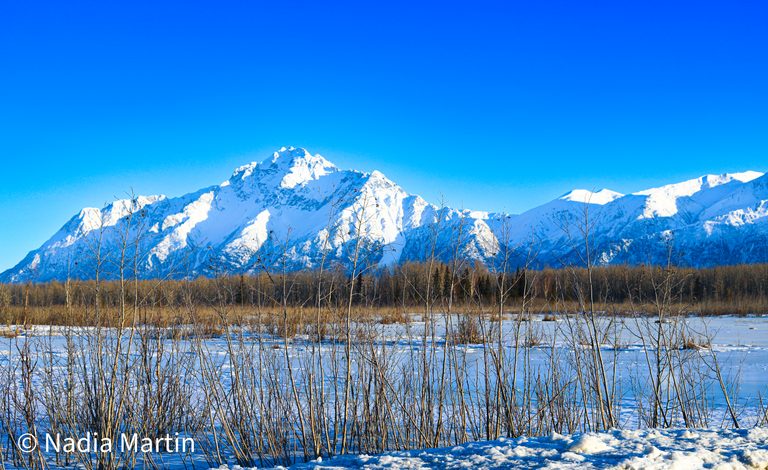
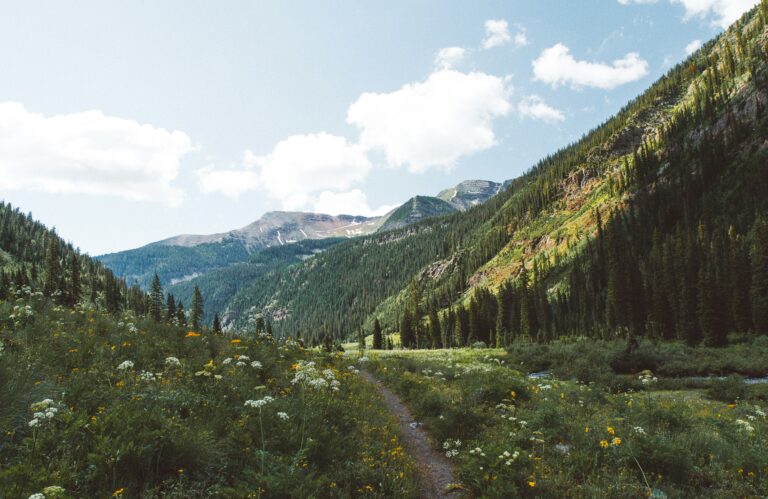
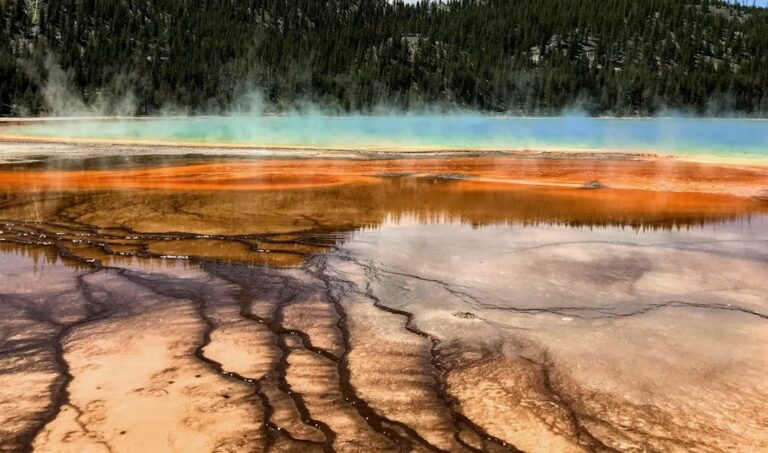
I am from Granby, Quebec province, Canada. Quebec’s provincial capital is Quebec City. Since I have been in the United States, many people have asked me where my accent is from. I got everything, from German, to Australian and a few times, French. It doesn’t bother me at all, when they get it wrong. On the contrary, I’m always happy to politely correct them, and tell them where I am from. When I tell people I’m French, everyone thinks I’m from France 🙂
I think most people just don’t think of Quebec province, being mostly French. Our accent is also very different. French people from France and Quebec, don’t have the same accent at all. I would say that France’s French is more fancy and sounds better than the French we use in Quebec.
We mix a lot of English words in our language, especially people, who live closer to the United States lines, or big cities like Montreal, Toronto and Ottawa. Living in Quebec as a francophone is very different from being an anglophone.
However, if you move to Quebec, If you speak with an accent, you’ll get asked where you’re from, even if you have lived here for over 50 years. You can get affordable housing, day care and cheap education, though you will lose almost half your pay to taxes. If you want to live in the province of Quebec, Quebec City is a nice city and the best compromise. Montreal is big, but you will find a lot more English speaking people there. In recent years, you will find that it has grown a lot more diversified, with its different cultures, coming from all over the world.
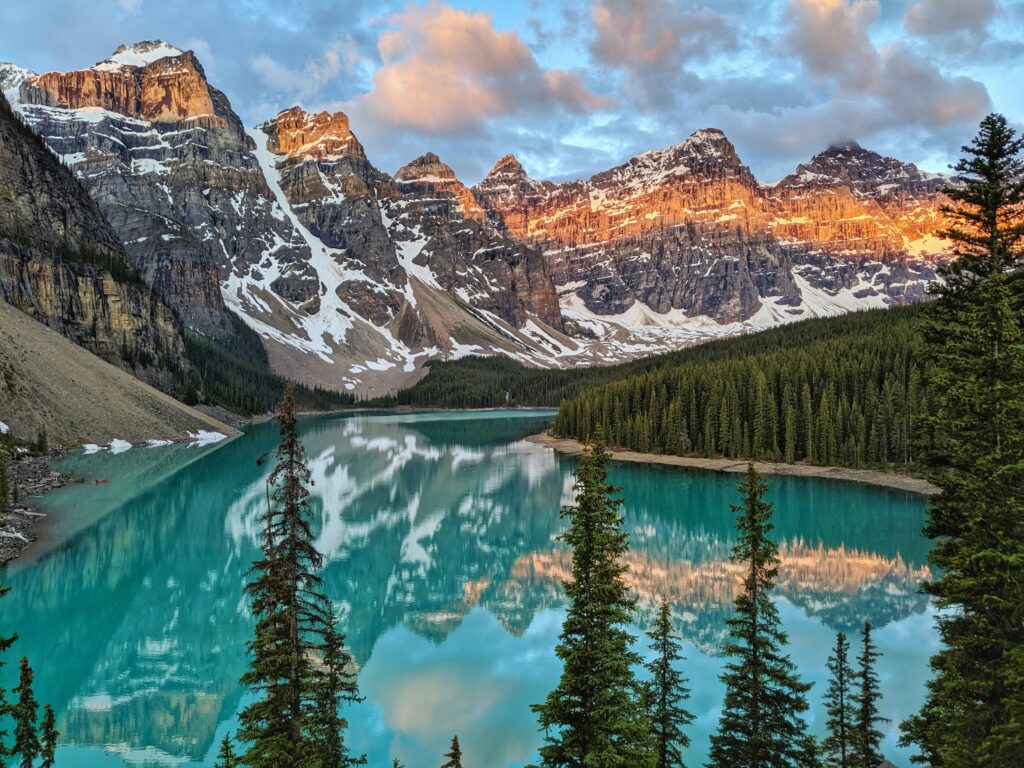
Canada is known around the world for its breathtaking landscapes, multicultural cities, friendly communities, and enormous stretches of wilderness. From the rugged mountains of British Columbia to the forests and lakes of Ontario, the historic streets of Quebec, and the dramatic coastlines of Atlantic Canada, life in Canada can look very different depending on where you choose to live.
Canada is a vast country, and there is no single Canadian lifestyle. Life in downtown Toronto is very different from life in rural Alberta, northern Quebec, Vancouver Island, or a small community in Newfoundland and Labrador.
For people considering visiting, moving to, or simply learning more about the country, understanding these regional differences is an important part of discovering what life in Canada is really like.
What Is Life in Canada Like?
Life in Canada often combines modern city living with easy access to nature. Major metropolitan areas such as Toronto, Montreal, Vancouver, Calgary, Ottawa, and Edmonton offer restaurants, shopping, entertainment, universities, professional opportunities, museums, festivals, and diverse communities.
Outside the largest cities, life can become much quieter. Small towns and rural areas may offer larger properties, less traffic, strong community connections, and easier access to forests, lakes, mountains, farmland, and wildlife. For many Canadians, outdoor recreation is simply part of everyday life.
Depending on the region and season, popular activities include:
- Hiking
- Camping
- Canoeing and kayaking
- Fishing
- Cycling
- Skiing
- Snowboarding
- Snowshoeing
- Ice skating
- Wildlife watching
- Photography
Canada’s enormous geography means residents can experience everything from ocean beaches and prairie grasslands to temperate rainforests, Arctic tundra, mountains, lakes, and dense boreal forests.
Canada’s Provinces and Territories
Canada consists of ten provinces and three territories, and each has its own personality, landscape, economy, and culture.
British Columbia
British Columbia is famous for mountains, forests, ocean scenery, and outdoor recreation. Vancouver offers a major metropolitan lifestyle surrounded by mountains and water, while Vancouver Island provides smaller communities, rugged coastlines, forests, and a slower pace of life. The province is especially attractive to people who enjoy hiking, skiing, boating, wildlife, and nature photography.
Alberta
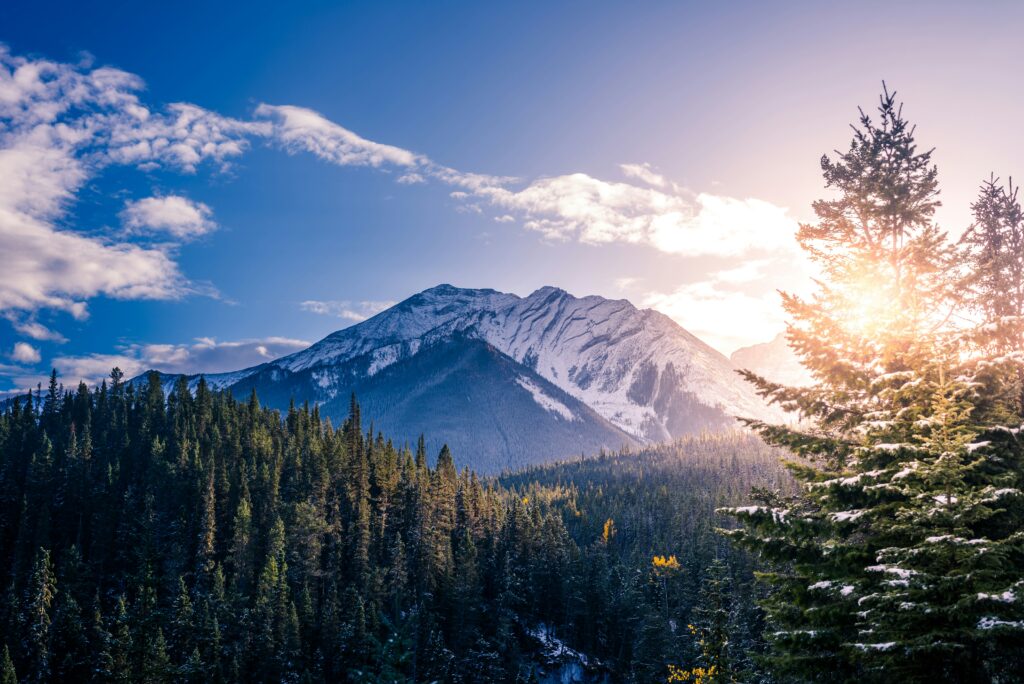
Alberta combines large cities, open prairie, agriculture, and spectacular Rocky Mountain landscapes. Calgary and Edmonton are the province’s largest cities, while places such as Banff and Jasper are internationally recognized for mountain scenery. Alberta has long been associated with energy, agriculture, ranching, tourism, and outdoor recreation.
Saskatchewan
Saskatchewan is known for enormous skies, prairie landscapes, agriculture, and smaller communities. Although many people picture flat farmland when they think of Saskatchewan, the province also contains forests, lakes, rivers, and wilderness farther north. Life here can feel spacious and less crowded than in Canada’s largest metropolitan regions.
Manitoba
Manitoba sits near the geographic center of Canada. Winnipeg is the province’s largest city, while the northern part of Manitoba contains vast forests, lakes, wetlands, and remote wilderness. The province experiences dramatic seasonal changes, including warm summers and extremely cold winters.
Ontario
Ontario is Canada’s most populous province and contains both Toronto and the national capital, Ottawa. Toronto offers one of Canada’s largest urban environments, while northern Ontario contains enormous areas of forests, lakes, and wilderness. The province also includes countless smaller cities, towns, farming communities, and cottage areas.
Quebec
Quebec has one of the most distinctive cultures in Canada. French is the province’s official language, and French culture influences everyday life, food, architecture, music, traditions, and festivals. Montreal is a large multicultural city known for arts, restaurants, universities, festivals, and historic neighborhoods.
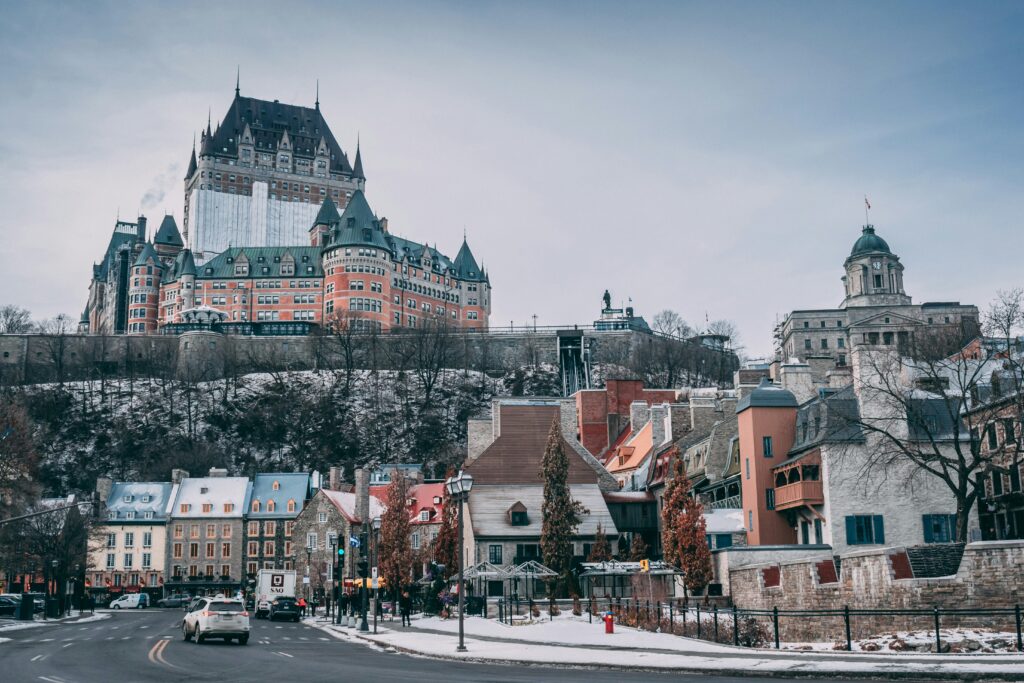
Quebec City offers beautiful historic architecture and a strong connection to French Canadian history. Outside the major cities, Quebec contains immense forests, mountains, lakes, rivers, and small communities.
New Brunswick
New Brunswick is one of Canada’s Atlantic provinces. The province offers forests, rivers, coastal scenery, and relatively small cities and towns. Both English and French are widely present, and New Brunswick is Canada’s only officially bilingual province.
Nova Scotia
Nova Scotia is closely connected to the Atlantic Ocean. Coastal villages, fishing communities, lighthouses, rocky shorelines, seafood, maritime history, and ocean views are important parts of the province’s identity. Halifax is the largest city and an important cultural and economic center for Atlantic Canada.
Prince Edward Island
Prince Edward Island is Canada’s smallest province. It is famous for red soil, farmland, beaches, seafood, coastal landscapes, and the story of Anne of Green Gables. Life on the island can be peaceful, although tourism brings significant seasonal activity during the warmer months.
Newfoundland and Labrador
Newfoundland and Labrador offers some of Canada’s most dramatic coastal and wilderness landscapes. It contains colorful communities, rocky coastlines, fishing traditions, and distinctive local culture. Labrador is much larger geographically but sparsely populated, with extensive wilderness and remote communities.
Life in Northern Canada
Canada’s three territories are Yukon, the Northwest Territories, and Nunavut. Living in northern Canada can be very different from living in southern Canadian cities. Communities are often smaller and farther apart. Winters can be extremely long and cold, while summer days can have remarkably long hours of daylight. Northern Canada contains enormous wilderness areas and extraordinary wildlife.
Depending on the region, animals may include:
- Caribou
- Moose
- Bears
- Wolves
- Muskoxen
- Arctic foxes
- Seals
- Whales
- Eagles
- Numerous migratory birds
Remote locations can also make groceries, transportation, housing, and other necessities considerably more expensive.
Weather
The Canadian Climate One of the biggest adjustments for many newcomers is the weather. Canada experiences four distinct seasons in many regions, but climate varies enormously across the country.
Winter
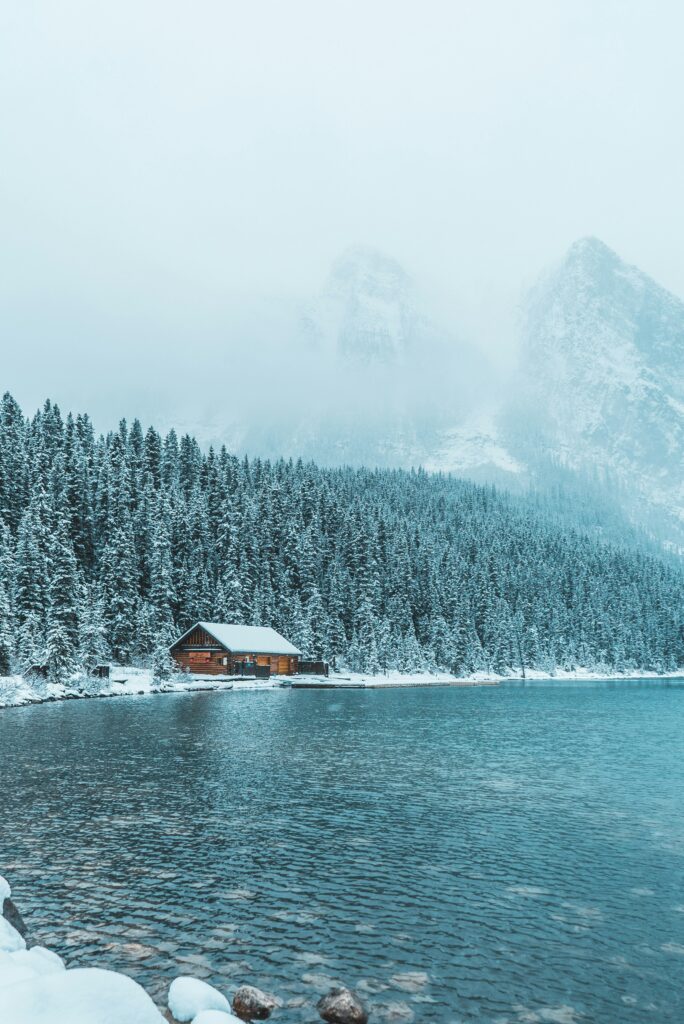
Winters can be long and extremely cold, particularly across the Prairies, northern Canada, Quebec, and parts of Ontario. Heavy snow, ice, freezing rain, strong winds, and temperatures well below freezing are normal in many communities. Winter clothing is therefore an important part of Canadian life.
A good winter wardrobe often includes:
- An insulated coat
- Waterproof winter boots
- Gloves or mittens
- A warm hat
- Thermal layers
- Scarves
- Snow pants for extended outdoor activities
Despite the cold, Canadians continue enjoying the outdoors through skiing, skating, snowmobiling, ice fishing, snowshoeing, and other winter activities.
Summer
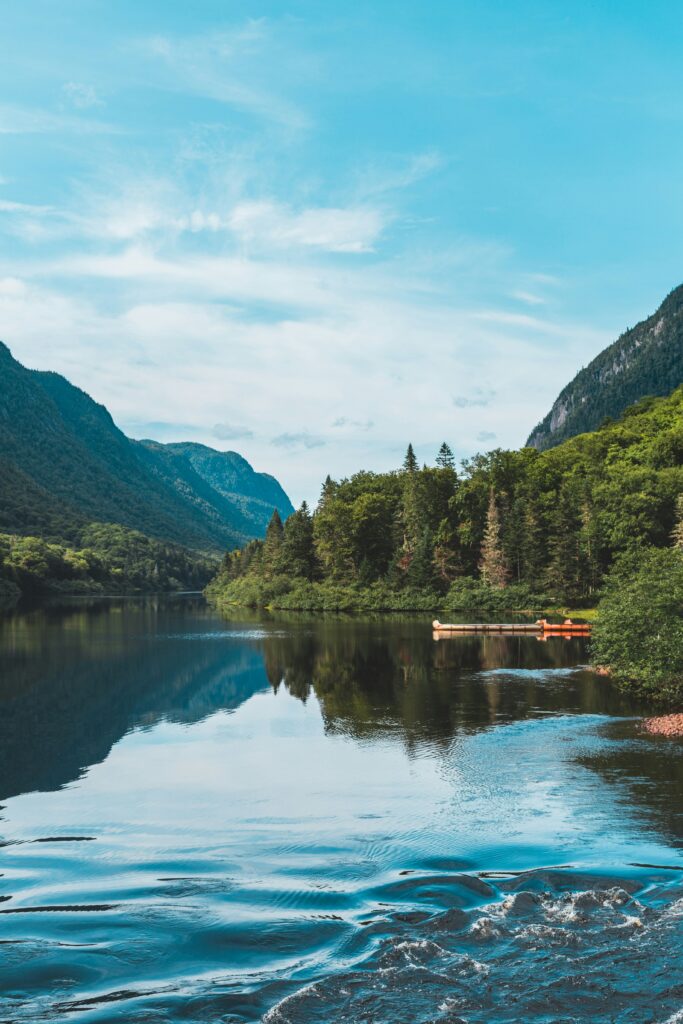
Canadian summers can be surprisingly warm. Southern Ontario, Quebec, the Prairies, and parts of British Columbia can experience hot summer weather. Summer is also one of the country’s most popular seasons for camping, road trips, swimming, hiking, boating, festivals, and visiting national and provincial parks.
Fall
Autumn can be spectacular. Large areas of eastern Canada become covered in brilliant red, orange, yellow, and gold foliage. Quebec and Ontario are particularly famous for their fall colors.
Spring
Spring brings warmer temperatures, melting snow, migrating birds, flowers, and longer daylight hours. It can also be muddy and unpredictable, with snow occasionally returning after warmer weather has already arrived.
As I grew older, ice storms are becoming normal, in parts of Canada, which is the cause of most accidents. You will also have to make sure that you switch your car tires for the proper season, so you don’t end up getting a ticket. Having the proper car tires will ensure that your safety and that of others, will be much better, if you follow our winter protocols.
For the best long-term results, Canadian drivers should switch to winter tires in early October and keep them on until the temperatures rise again in the spring (generally March or April, depending on your location). Quebec is the only jurisdiction in Canada where the use of winter tires is mandatory province-wide, during the winter driving season.
Education
Each Canadian province and territory has a system of education, which may appear unusual to people from other countries that have national educational systems. While there are some differences among provinces and territories, they’re similar across Canada, because the system is overseen by the federal government, to ensure that standards remain consistent across the country.
In Canada, the school system is divided into three levels: primary, secondary and post-secondary. The country offers public and private schooling. Private schools are often more selective when it comes to enrolling students. Unlike public schools, students usually have to be interviewed and pass an entrance exam for admission.
While the required documents for enrolling your children in school varies between institutions, you’ll usually have to provide the following documents and information.
- Application form
- Birth certificate
- Proof of guardianship or custody
- Proof of residency
- Record of immunizations
- Emergency contact information
- Former school records
- Previous or current teacher recommendation letter.
Driving
The rules and regulations around driving licenses often depend on which Canadian province or territory you’re moving to, and where you’re moving from. For example, if you’re immigrating to Ontario from the US, UK, Australia, Austria, France, Korea, Belgium, Germany, the Isle of Man, Japan, New Zealand, Ireland, Northern Ireland, Switzerland or Taiwan, you can simply exchange your current license, for one issued by the government of Ontario.
Some provinces and territories may require you to pass a written exam, on the rules of the road or pass one (and sometimes two) practical driving tests to receive a license. In most regions, you are allowed to drive up to 90 days on a foreign license. This period is limited to 60 days in Ontario, and 120 days in Yukon. It’s only 4 months on Prince Edward Island and 6 months in Québec.
Some areas, including the Northwest Territories, Prince Edward Island and New Brunswick, may require you to have an International Driver’s Permit (IDP), along with your home country’s driving license. An IDP is valid for non-residents for up to one year. You may also need an IDP if your driving license is not in English or French.
Once the allocated period has passed, you’ll need an official driver’s license issued by the government of your province or territory to drive legally. This permits you to drive anywhere in Canada, but you must carry it with you whenever you’re behind the wheel. Canada’s legal driving age is determined on a province-by-province basis, but is generally 16. The lowest is in Alberta, where a Learner’s Permit may be obtained at 14 years of age.
Lifestyle
Our country boasts a beautifully diverse culture, making it easy for expats to integrate and feel at home. This country is welcoming and celebratory to people with different backgrounds, making it an ideal place for expats.
Canada is also home to over 1.67 million Indigenous people, or 4.9% of the population. Canada formally recognizes three Indigenous groups: the Inuit, Métis and First Nations.
Canada’s colonial history is the origin of the country’s large French Canadian population. French is now the country’s second official language. The majority of French speakers are found in the province of Quebec – over 85% of people living in Quebec are French-speaking. Home to people from all over the globe with a rich history of its own, Canada is a truly diverse and inclusive country.
Expats moving to Canada can expect a life lived very much outdoors. Offering some of the world’s most stunning natural landscapes. There’s an abundance of opportunities for outdoor recreation, from hiking, biking and mountain climbing to sailing, fishing, skiing and more. There are many outdoor activities throughout the year, depending on the seasons.
Canada is a massive country, so having things to do is always in your favor. I can’t emphasize multiculturalism enough, especially in the big cities (like Vancouver, Toronto and Montreal). There is effectively no “majority demographic” in urban Canada. Canada is extraordinarily supportive of diversity, more than anywhere else in the world, in my opinion. I think part of this started with its English/French coexistence. If you think people with a different skin color, sex, religion, sexual orientation, language, or anything else need to behave, look, or conform to any different set of rules than you do, this is not a place for you.
Canadian Culture
Canadian culture reflects Indigenous cultures, French and British history, immigration, and regional traditions. Modern Canada is extremely multicultural, particularly in its larger cities. You may hear many languages spoken while walking through neighborhoods in Toronto, Vancouver, or Montreal.
Food also reflects this diversity. Alongside traditional Canadian favorites, residents can easily find restaurants serving cuisines from around the world. Canada also has distinctive regional traditions.
Quebec has strong French Canadian cultural influences, Atlantic Canada has deep maritime traditions, the Prairies retain agricultural and ranching influences, and Indigenous cultures remain an essential part of Canada’s history and contemporary identity.
Montreal is highly multilingual, and it is common to hear both English and French along with many other languages.
Wildlife in Canada
Canada is an extraordinary place for wildlife enthusiasts.
Depending on the region, you may encounter:
- Black bears
- Grizzly bears
- Polar bears
- Wolves
- Coyotes
- Moose
- Elk
- Caribou
- Deer
- Bison
- Mountain goats
- Bighorn sheep
- Beavers
- Foxes
- Bald eagles
- Owls
- Whales
- Orcas
- Seals
Wild animals should always be observed responsibly and from a safe distance. Feeding wildlife can create dangerous situations for both animals and people. For photographers, Canada’s vast landscapes and wildlife provide endless opportunities, but respecting animals and their habitat should always come before getting the perfect photograph.
Cost of Living in Canada
The cost of living varies greatly depending on location. Large metropolitan areas such as Vancouver and Toronto can have very expensive housing markets. Smaller cities and rural communities may offer more affordable housing, although employment opportunities and services can also be more limited.
Typical household expenses include:
- Housing
- Electricity
- Heating
- Internet
- Mobile phone service
- Groceries
- Transportation
- Insurance
- Childcare
- Taxes
People considering a move should research the specific city or province rather than relying on national averages. A comfortable income in a small Canadian town may not provide the same lifestyle in central Vancouver or Toronto.
Career opportunities
Working in Canada Canada has a diverse economy. Employment opportunities vary considerably by province and region.
Major industries include:
- Healthcare
- Technology
- Construction
- Education
- Finance
- Tourism
- Agriculture
- Forestry
- Mining
- Manufacturing
- Transportation
- Energy
- Retail
- Government services
Large cities generally provide the greatest variety of employment, while smaller communities may have stronger demand in particular industries. Remote and northern regions can also offer specialized employment opportunities, although the lifestyle may require significant adjustments.
Transportation
Transportation depends heavily on where you live. Major cities generally offer buses, trains, subways, or light rail systems. Toronto, Montreal, and Vancouver have extensive public transportation networks compared with smaller Canadian communities.
Outside major cities, owning a vehicle can be extremely useful and sometimes practically necessary. Canada’s size should also never be underestimated. Driving from one province to another can take many hours—or even several days. Road trips are popular, but travelers should prepare carefully when crossing remote areas where gas stations, restaurants, and services may be far apart.
Canadian Culture
Canadian culture reflects Indigenous cultures, French and British history, immigration, and regional traditions. Modern Canada is extremely multicultural, particularly in its larger cities. You may hear many languages spoken while walking through neighborhoods in Toronto, Vancouver, or Montreal.
Food also reflects this diversity. Alongside traditional Canadian favorites, residents can easily find restaurants serving cuisines from around the world. Canada also has distinctive regional traditions.
Quebec has strong French Canadian cultural influences, Atlantic Canada has deep maritime traditions, the Prairies retain agricultural and ranching influences, and Indigenous cultures remain an essential part of Canada’s history and contemporary identity.
English and French in Canada
Canada has two official languages: English and French. English is the most commonly spoken language across most provinces. French dominates everyday life in much of Quebec and is also spoken in communities across New Brunswick, Ontario, Manitoba, and other parts of Canada. Knowing French can be particularly valuable for anyone planning to live or work in Quebec.
Geography
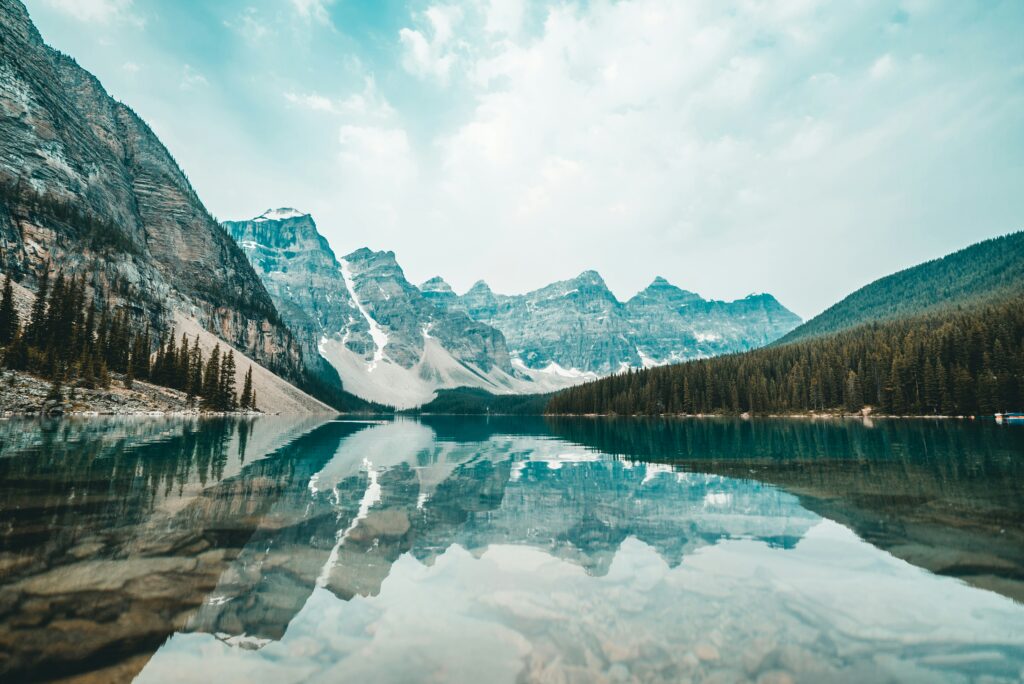
Canada is located in the northern half of the North American continent, and is the second-largest country in the world. Despite its impressive size, most of the population lives within a few hundred kilometers of the southern border. Canada has over two million lakes, vast mountain ranges that include the Torngats, Appalachians, and the Rocky Mountains. The most important river in Canada is the St. Lawrence River, which is 3,058 km long and provides a seaway for ships, from the Great Lakes to the Atlantic Ocean.
Healthcare
When you become a Canadian taxpayer, you pay tax on your income, plus taxes on almost everything you buy. This money is used to fund the health care system, among other things. This means that when you need care, you don’t have to pay out of pocket at a clinic or hospital. Because the system is “free,” it may seem more affordable, but remember that you actually pay for it, in small amounts, throughout your life, based on your income. So it is not free, like most people seem to think.
In Canada, the provinces and territories are responsible for managing health care services. While the federal government is involved in funding, you still need to register with the provincial government, to get a health insurance card.
There are private health care clinics in Canada, and they are not free. Some people use them when they want service faster, such as for tests. Moreover, dental and vision care is not covered by government health insurance. Most companies enroll their employees in supplementary insurance plans that cover much of the costs. Lastly, you may have to pay a deductible and part of the cost of prescription drugs.
After moving to Canada as a permanent resident with health care benefits, you’ll be able to see a doctor at no cost, but if you leave the appointment with a prescription, you could be left picking up the tab at the pharmacy. Likewise, dental care, which generally isn’t publicly funded, can seriously put a dent in your savings. Third-party health insurance (often provided through your employer) can help offset the often exorbitant prices Canadians pay for dental and eye care, and medicines.
Even if you’re moving to Canada as a permanent resident, it could take several months for your health care benefits to kick in. It’s a good idea to arrive with at least six months of international health insurance as a buffer.
Residents may spend winter mornings shoveling driveways, clearing vehicles, or using snowblowers before leaving home.
Housing in Canada
Canadian housing ranges from downtown apartments and condominiums to suburban homes, rural farmhouses, cabins, and remote northern properties. Suburban neighborhoods are common around major cities, while apartments and condominiums dominate many downtown areas.
In rural parts of Canada, properties may be significantly larger. Homes also need to be designed for the local climate. In colder regions, reliable heating and good insulation are essential. Snow removal can become another regular household chore. Residents may spend winter mornings shoveling driveways, clearing vehicles, or using snowblowers before leaving home.
Tax credits
You must file an income tax return, each year when you live in Canada. You can complete it yourself using software or government provided packages or hire a professional. The purpose of the return is to correct your tax, with the federal and provincial governments.
For example, if tax was withheld from your pay and you overpaid, you may get a refund. On the other hand, if you didn’t pay any tax at all during the year, you must calculate the amounts you have to refund to the government. You may also be eligible for one or more credits, which reduce your taxable income and therefore your tax payable. That can be a tremendous advantage.
Outdoor Life in Canada
One of Canada’s greatest attractions is access to nature. Canada contains thousands of lakes, immense forests, mountain ranges, rivers, coastlines, and protected wilderness areas. National and provincial parks offer opportunities for camping, photography, hiking, paddling, wildlife watching, and exploring.
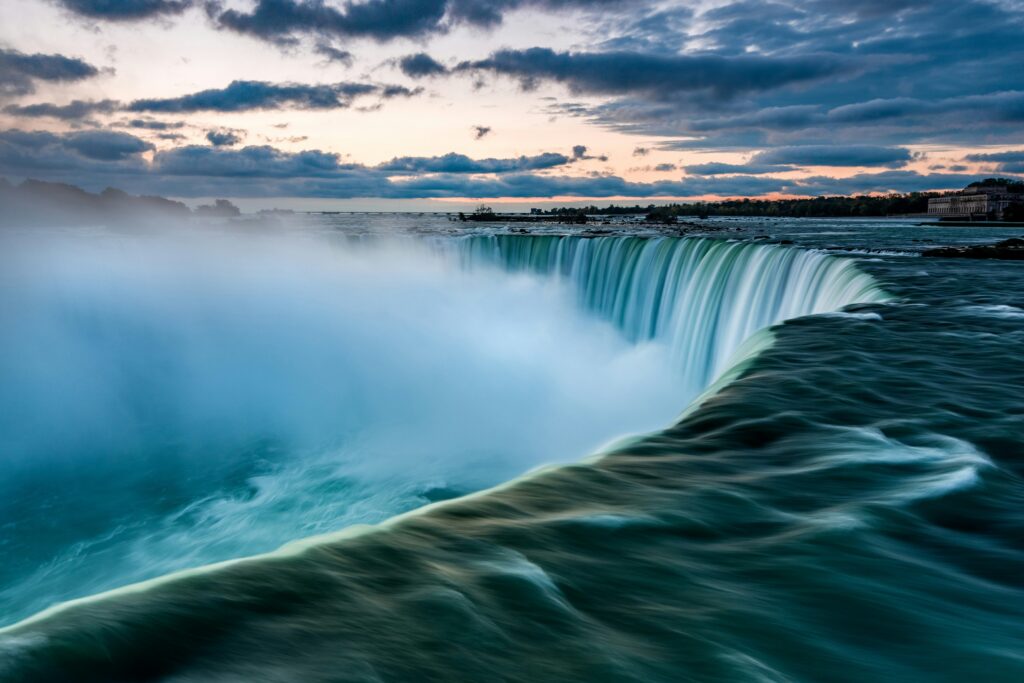
Some of Canada’s best-known natural destinations include the Canadian Rockies, Niagara Falls, the Pacific Coast, the Bay of Fundy, the Laurentian Mountains, Vancouver Island, the Great Lakes, and the vast northern wilderness.
But beautiful places are not limited to famous destinations. Sometimes a quiet lake, forest trail, rural road, or small provincial park can provide an equally memorable experience.
Tipping
Tipping in Canadian restaurants, salons and taxis isn’t just appreciated, it’s expected (along with a Thank you,). This may come as a shock, not to mention an additional 15 to 30% on top of your bill, if you’re coming from a culture in which tipping isn’t standard practice. How deeply rooted is Canadian culture? Restaurant servers in some provinces make less than minimum wage, with the expectation that patrons’ tips will make up the difference.
Advantages of Living in Canada
Canada appeals to people for many different reasons.
Some of the commonly appreciated aspects of Canadian life include access to extraordinary natural landscapes, multicultural communities, outdoor recreation, public healthcare, educational opportunities, and the ability to experience four dramatically different seasons.
People who enjoy nature may especially appreciate how quickly many Canadian cities transition into forests, lakes, farmland, mountains, or wilderness.
Challenges of Living in Canada
Canada also has challenges. Housing can be expensive in certain cities. Winter weather can be difficult for people who are not accustomed to snow, ice, darkness, and freezing temperatures. Remote communities may have fewer healthcare services, stores, entertainment options, and employment opportunities.
Distances between communities can also be enormous. Groceries and other necessities may cost considerably more in northern and isolated areas because products must travel such great distances. Understanding these realities before relocating can make adjusting to Canadian life much easier.
City Life vs. Rural Life in Canada
Choosing between city and rural life can completely change the Canadian experience. Cities provide greater access to employment, universities, restaurants, shopping, entertainment, healthcare, and public transportation. Rural areas can provide quiet surroundings, larger properties, wildlife, open spaces, and closer access to nature.
The ideal choice depends on your personality and priorities. Someone who enjoys nightlife and public transportation may prefer Toronto or Montreal, but someone who dreams about mountains might prefer Alberta or British Columbia.
Someone looking for ocean views and small coastal communities may be drawn to Atlantic Canada. And someone who wants solitude, wilderness, and adventure may find northern Canada fascinating.
Is Canada a Good Place to Live?
Whether Canada is the right place to live depends on what you are looking for. Canada offers spectacular scenery, culturally diverse communities, large modern cities, small rural towns, and some of the largest wilderness areas remaining in the world.
At the same time, prospective residents should consider housing costs, employment opportunities, climate, transportation, taxes, healthcare access, and the enormous differences between regions. There is no single version of life in Canada. Living in Vancouver is different from living in Montreal.
Life in rural Saskatchewan is different from life in downtown Toronto. And living in northern Yukon is dramatically different from living on Prince Edward Island. That diversity is part of what makes Canada so fascinating.
Final Thoughts on Life in Canada
Canada is a country of extraordinary contrasts. You can walk among skyscrapers in Toronto, explore the historic streets of Quebec City, watch whales along the Pacific Coast, stand beneath towering mountains in Alberta, drive across endless prairie highways, photograph autumn forests in Quebec, or experience the vast wilderness of Canada’s North.
For nature lovers, travelers, photographers, and people who enjoy discovering different cultures and landscapes, Canada offers countless opportunities to explore. Life in Canada isn’t simply one experience. It is thousands of communities, landscapes, climates, cultures, and lifestyles spread across one enormous country—and each region has its own story to tell.