Complete Goose Care Guide for Pet Geese
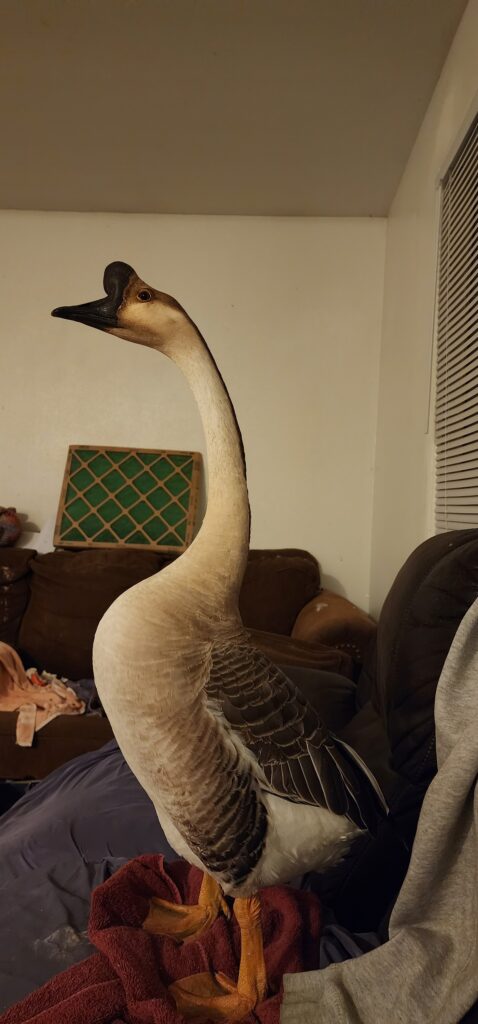
I have kept geese for more than eight years, and they remain some of my favorite animals. They are intelligent, curious, social and full of personality—but they are also a serious commitment.
Geese need companionship, proper nutrition, clean water, secure housing, room to graze and protection from predators. They can also be loud, messy and territorial, especially during breeding season.
This guide covers the basics of caring for pet geese, from raising goslings and feeding adult birds to winter care, housing, behavior and recognizing possible health problems.
Messy Birds
They can be messy! Geese LOVE to splash around in their water, so be prepared to handle that by cleaning up after them regularly, moving their wading pool frequently. Goslings will need their bedding cleaned several times a day, as well because they are little poop machines!
Geese should not be kept indoors permanently. While they may be kept indoors their first few weeks of life when they are young, when they develop their adult feathering they will need to go outside. Geese want to be able to do “waterfowl” things: searching for slugs and bugs, eating young plants, and splashing in water. Staying cooped up inside all the time, does not make for happy, healthy waterfowl.
For an enclosed outdoor run, aim for at least 20–30 square feet per goose, and provide more whenever possible. Geese are grazing birds and are happiest when they have access to a large grassy area during the day. Their nighttime shelter does not need to be enormous. Around 6–8 square feet of indoor floor space per adult goose is a reasonable minimum, provided they have plenty of outdoor space during the day.
Since geese are social flock animals, it is not recommended that you keep just one (unless you are prepared to give it a LOT of consistent attention). A solitary waterfowl will feel lonely and vulnerable. We recommend you keep at least two, but three or more may be even better for the psychological health of your birds.
Goose Housing and Predator Protection Guide
Shelter
Geese should have a dry, draft-protected shelter where they can get out of wind, blowing snow, and freezing rain. The shelter does not need to be heated for healthy adult geese in most situations. Use plenty of dry bedding such as straw or pine shavings. Straw works especially well in winter because it creates a thick insulating layer. Add fresh bedding regularly and remove any wet or heavily soiled areas.
Ventilation is still important. A completely sealed building can trap moisture and ammonia from droppings, which can contribute to respiratory problems and frostbite. The goal is ventilation above the birds without drafts blowing directly across them.
Healthy, fully feathered adult geese usually do not need heat lamps. Heating a building can create several problems, including fire risk, excess humidity, and making birds less accustomed to normal outdoor temperatures. Young goslings, sick birds, injured birds, and birds with poor feather condition are different and may require additional warmth.
Shelter: When conditions are the harshest, even the best winter coat may not be enough. If the temperature is going to be below freezing for long periods of time, your waterfowl will appreciate access to a simple, dry shelter, especially at night. Preferably, the shelter will be lockable, providing protection from winter’s strongest winds and nature’s hungriest predators. You will likely want to provide such a shelter for your waterfowl all year long, regardless of temperature, for predator protection.
Keep Them Dry
Cold itself is usually less dangerous than being cold and wet. Geese should always have somewhere dry to stand and rest.
Pay particular attention to:
- Wet bedding
- Mud around water containers
- Ice buildup
- Freezing rain
- Damp feathers
- Snow packed onto feet or feathers
A thick layer of straw around feeders, waterers, and resting areas can help keep their feet off frozen ground.
Proper Goose Enclosure Guide
Geese are hardy birds, but they still need a secure, dry, predator-proof enclosure with enough room to walk, graze, bathe, and rest comfortably. A good setup is especially important in cold climates, where wind protection and dry bedding matter as much as temperature.
Nighttime Shelter
A goose house should be:
- Dry and well ventilated, without drafts blowing directly on the birds.
- Large enough for every goose to stand, turn around, stretch, and lie down comfortably.
- Protected from rain, snow, and strong wind.
- Covered with thick, dry bedding such as straw or pine shavings.
- Easy to clean, because geese produce a surprising amount of manure.
Geese generally sleep on the ground rather than on perches, so they need a comfortable layer of bedding instead of roosting bars.
Enclosure
Adult, fully feathered geese generally tolerate cold weather very well, but wind, moisture, and wet bedding can create problems.
For winter:
- Keep bedding thick and dry.
- Provide protection from strong wind and blowing snow.
- Maintain ventilation so moisture and ammonia do not accumulate.
- Keep drinking water available even during freezing temperatures.
- Remove wet bedding around water containers frequently.
- Provide a dry place where they can get their feet out of snow, ice, and mud.
A shelter does not necessarily need to be heated for healthy, fully feathered adult geese. In very cold climates, preventing drafts and moisture is usually more important than making the building warm. If supplemental heat is used, it must be installed extremely carefully because heat lamps and bedding can create a serious fire risk.
An excellent goose enclosure can be surprisingly simple: a secure fenced pasture during the day, a shaded area, fresh drinking and bathing water, and a dry predator-proof shelter where the flock is locked safely inside every night.
The more room you can provide, the better. Geese are active, social animals that enjoy grazing, exploring, bathing, and spending time together.
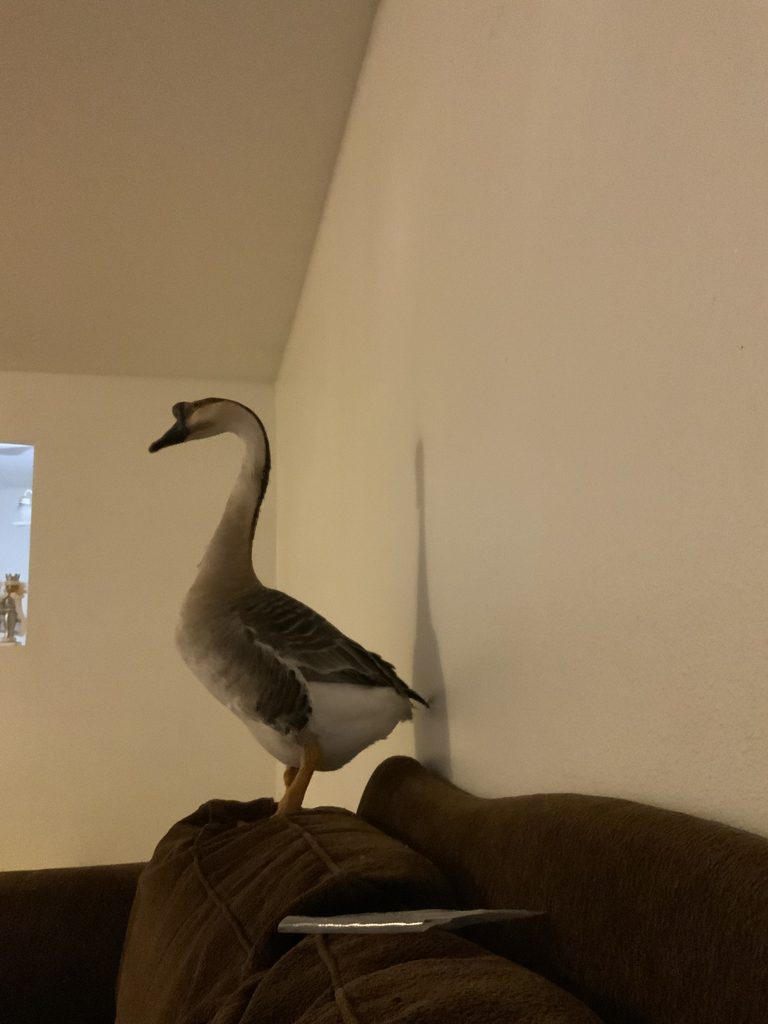
Geese don’t require expensive accommodation with perches, although they need a reasonable size house. A shed will serve them well, and you can put mesh in place of the windows, to give them some ventilation. You can keep a single pair of medium, or large geese comfortably, in a large shed. The most common shed size is 6 x 4ft and makes a good size, with a little extra space, if they end up hatching goslings.
During the winter I recommend a thick base layer of shavings to stop any drafts and a top layer of straw for them to keep warm in. Whenever the weather is warm enough, I do a deep clean of the goose enclosure. For really cold areas, an extra layer or two of bedding in the coop will help to keep your birds toasty at night.
An enclosed shelter is important, to keep them healthy, through winter. Walls help to keep out, cold and blowing wind. Keeping birds close together, within an enclosed space, increases heat from shared body warmth. Even when you’ve let your fowls out, in the open weather for the day, it’s a good idea to leave the access to the shelter open, so that they can get in out of the wind, if they so choose.
A shelter needs proper ventilation, so that condensation from body heat and breath, doesn’t build up. While it might seem like you want your coop airtight, trapped moisture is actually more dangerous for birds in winter, than colder, drier air. You can achieve a well-ventilated shelter, without allowing it to be drafty, by putting small air holes at the top of the shelter. This will still allow your birds to stay out of the wind, and the bitter cold. The requirement for insulation depends on your location. Most waterfowl coops do not need insulation, unless your winter nights frequently get down to 15 degrees or less. Otherwise your birds just need a shed that has plenty of bedding, and protection from winds. Heating is only required, to keep temperatures above 0 degrees.
If you can smell ammonia in your pen, it does not have adequate ventilation.
A wood, concrete, or dirt floor is satisfactory. Allow about 1-1/2 square feet of floor space per bird, and cover the floor with about 4 inches of absorbent litter. Sawdust, shavings, ground corn cobs, cottonseed hulls, peanut hulls or peat moss are all good. Never use cedar shaving, Cedar shavings are bad for waterfowl because they release strong aromatic oils and phenols that cause severe respiratory distress, lung irritation, and potential organ damage when inhaled.
Housing must be secure against predators. The main one is the fox, of course, but badgers will also kill geese. Badgers are very strong and capable of tearing at planks of wood, on poultry houses or weak fencing areas.
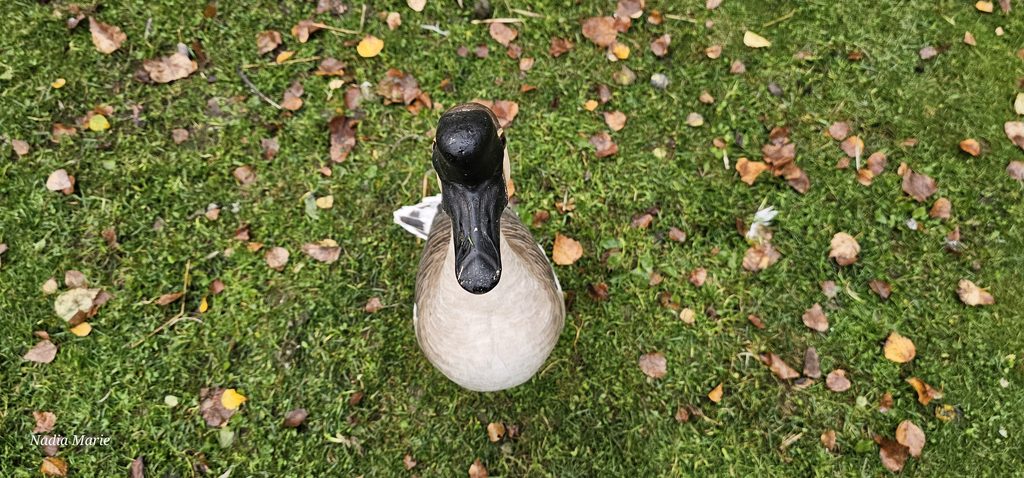
The safest way to keep foxes and badgers away at night, is to place the goose house inside a protected/fenced area. Weasels, mink, and rats, can cause problems for goslings, even adult geese. They squeeze through small holes, so ensure ventilation holes are covered with a sturdy mesh. A weasel can easily squeeze through a quarter size hole. Raccoon, rats and mice can chew through wood and dig under a shed as well, creating holes for other predators also, like weasels. Weasels are very hard to find and trap.
The winter months are a prime time for predators to try for your birds, as there are fewer prey animals for them to hunt. Check the fencing of your run, and repair as needed. If you do not have a top on your run to protect from air attacks, try to provide cover with a net.
The best thing to do during the winter months is to keep an eye on your birds, and adapt as you go. If you find it is too cold in the coop, take measures to warm it up. If the feed is spoiling, find a way to keep it dry. Winter does not last forever, taking measures to protect your birds will make the time, both pleasant and quicker. I do not leave feed and water in their night shelter.
Waterfowl like playing and bathing in their drinking water, and this will spoil their area very fast, and make it too humid. Water mixes with their feces and then you get ammonia burns under their feet, and all kind of respiratory issues. Humidity is very bad for a bird. You want to keep their sleeping area dry and clean.
Your birds can easily go 8 hours, without feed and water. The time you usually sleep. We put ours in, before we go to sleep, and let them out when we get up. No water or food in between, and they are just fine. This prevents more messes in their sleeping area, and makes cleaning a lot easier, and less frequent. Do not leave food without water. They need water with their food, as their food is usually very dry, like pellet or corn, and water helps them swallow their food, a lot easier.
Unlike chickens and other poultry, waterfowl are active at night, and can see reasonably well in the dark. Keep in mind that geese may make noise at night, if they spot something unusual.
When it’s quiet at night, this noise can travel some distance, potentially disturbing sleeping neighbors. My gander Leo for example, has had night terrors, even since he was a gosling. He starts screaming randomly, in the middle of the night, when something non threatening spooks him. It only lasts a few seconds, but it’s very loud and echoes !
A simple, secure, predator-proof structure will work to keep them safe at night. If neighborhood dogs are not a threat, a 3-foot high chicken wire fence can keep flightless breeds contained during the day. If neighborhood dogs are a problem, a taller, stronger fence will be required.
Apart from housing, electric fencing is the only major investment you will need to make, when keeping geese, if you really want something that will really keep your birds safe. I have tried several solutions and found that for large areas, it is better to use electric wires, on the outside of the fence, to deter climbers (such as mink, weasel, rats) foxes and badgers, who may try to dig under a fence, especially on soft soils. They are quite smart, so you will need to put in dig guard along the fence as well.
The mesh size is too small for smaller predators to squeeze through, and thick enough to prevent badgers or foxes from tearing it. An electric wire would run at low-level to prevent digging and close to the fence at the top, to stop climbers from running over the top of the fence.
While geese LOVE water and enjoy periodic access to at least a shallow wading pool, they don’t have to have access to water all the time. You can let them have a “swimming party” once a week or so, or whenever it fits your schedule. When finished, you can use the water in your garden, so nothing is wasted
Predator Protection
Winter can increase predator pressure because natural food becomes scarce. Geese should have a secure nighttime enclosure protected from predators such as foxes, coyotes, dogs, raccoons, and other local wildlife. Lock them securely inside at night rather than relying on geese to defend themselves.
This is one of the most important parts of a goose enclosure. Even large geese can be attacked by dogs, coyotes, foxes, raccoons, bears, and other predators, depending on where you live.
Use sturdy fencing rather than lightweight chicken wire. Hardware cloth or welded wire is much more secure around vulnerable areas. Lock geese inside a predator-resistant shelter at night whenever possible.
Check for gaps around gates, doors, corners, and the bottom of the fence. Predators are very good at finding weaknesses.Unfortunately, since geese are prey animals, the primary cause of death is usually predators, especially dogs. So the most important thing you can do to help your waterfowl live a long, happy life, is to provide predator protection for them, which can include a secure coop, and automatic door opener.
Keep in mind that the specific requirements for geese during the winter, can vary depending on their breed, age, and the local climate. It’s essential to research and adapt your care practices to the specific needs of your birds and the conditions in your area.
Can Geese Handle Cold Weather?
Rubber water trays are easy to empty, when the water freezes over, and deep enough for waddling. They’re ideal if you’re going to be around, most of the time. If you’ll be away for more than a few hours a day, it’s a great idea to invest in a large, heated dog water bowl, for your geese.
Enough water to splash is key to keeping them healthy in winter. Their preening spreads sealing oils across their feathers, which help keep them buoyant, in water and lock heat in, when it’s cold. Being able to bathe in water, allows for the most complete preen possible, but as long as your birds can submerge their heads, and work the water through their bills, they can create enough oil, to keep themselves comfy.
While watering your fowl is a must, keep in mind that any splashing indoors will soak your bird’s bedding, which in turn will become icy. Whenever possible, provide water outdoors, in a clear area, so that the mess your birds make, is manageable.
Winter Care for Geese
Healthy adult geese are very cold-hardy once they are fully feathered. Their dense feathers and down provide excellent insulation, and many geese handle freezing temperatures surprisingly well. Winter care is mainly about keeping them dry, out of strong wind, well-fed, and supplied with unfrozen water.
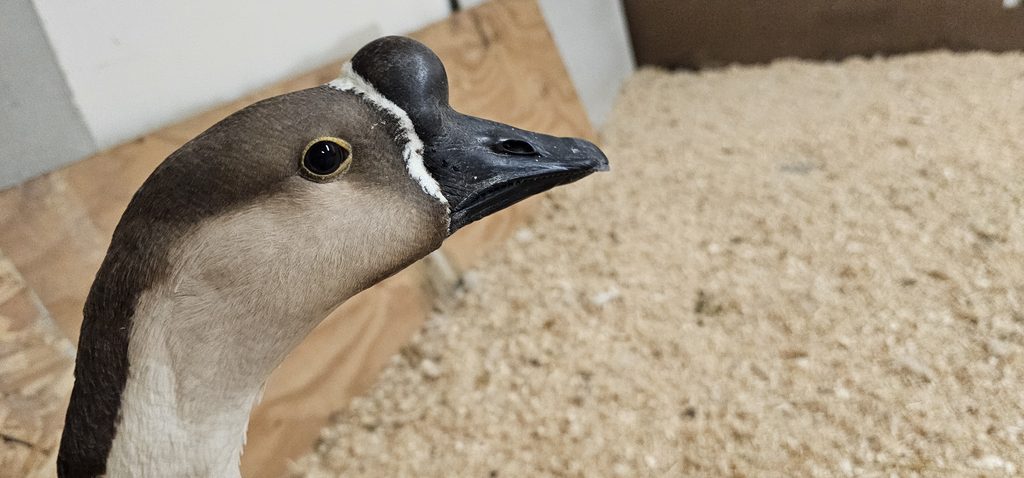
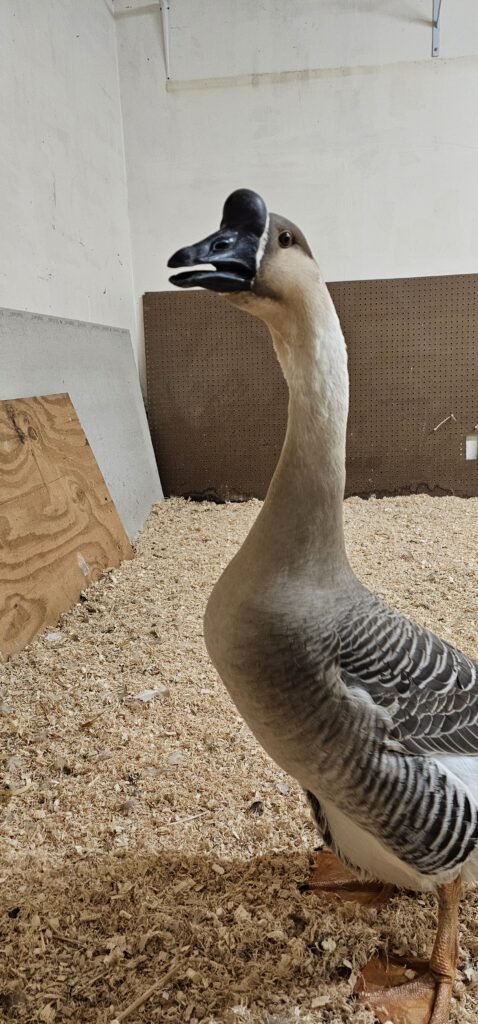
Geese are cold, hardy and resilient birds, but they do need some special care, to keep them healthy and happy, during winter. But you have to keep in mind that if you own a Chinese, African or mixed Chinese/African/geese that have knobs on their forehead, you will need to protect them from frostbite. The knob is a warm, fleshy part of a gander or goose, and if they get frostbite on them, it will hurt them. You can put Vaseline on the knob, in the winter, to protect them from the bitter cold.
Swimming in Winter
Geese love water, but swimming is not essential during extremely cold weather. If you provide a pool, make sure they can easily enter and exit without slipping, and avoid allowing large amounts of water to freeze around the enclosure. After bathing, healthy adult geese normally waterproof their feathers through preening. However, a goose with damaged feathers, illness, poor waterproofing, or heavy ice accumulation may become chilled.
Protect Their Feet
Geese generally tolerate snow well, but watch their feet during prolonged extreme cold.
Provide areas covered with:
- Straw
- Wood shavings
- Rubber livestock mats covered with bedding
- Dry wooden platforms
Check regularly for swelling, discoloration, injuries, or signs of frostbite. Avoid leaving them standing for long periods on bare ice, frozen metal, or constantly wet frozen ground.
Snow Is Usually Fine
Most geese enjoy walking around in snow. You do not have to keep them confined simply because snow is on the ground.
However, provide a protected area during:
- Blizzards
- Strong winds
- Freezing rain
- Severe wind chills
- Heavy ice accumulation
Geese should always have the option of going inside.
Watch Body Condition
Because their feathers make geese look large and fluffy, weight loss can sometimes go unnoticed. Occasionally feel along the breastbone. A goose that is becoming unusually thin, weak, lethargic, or reluctant to eat should be examined more closely.
Simple Winter Routine
Every day, give your geese fresh unfrozen water and balanced feed, check their feet and general behavior, remove wet bedding, and make sure their shelter remains dry and ventilated. Before nighttime, make sure everyone is inside the secure shelter and that no bird appears wet, injured, unusually quiet, or separated from the flock.
Healthy adult geese generally cope with winter extremely well. A dry shelter, protection from wind, plenty of bedding, good nutrition, unfrozen water, and predator protection are much more important than trying to keep their enclosure warm.
Fencing
Most domestic geese do not fly particularly well, so a fence around 4 feet high is often sufficient for heavier breeds. Lighter breeds may require taller fencing. A large grassy fenced yard is ideal because geese naturally spend much of their day grazing.
Shade and Summer Protection
During warm weather, the enclosure should include plenty of shade. Trees, shade cloth, covered shelters, or roofed areas can all work.
Fresh drinking water should always be available. Watch especially closely during very hot weather because geese can overheat.
Water: You may want to withhold swimming water from your ducks and geese during the coldest days of winter. Especially if they are housed with chickens. They will inevitably splash cold water onto their flockmates, which will not be appreciated by the chickens! Also, in extreme cold, ducks and geese with wet feet from recent swimming may actually freeze to the ground if they stand in one place too long. If that happens, you’ll need to gently pour warm (not hot!) water around their feet to set them free. Ducks and geese are uniquely qualified to be outside during winter. They may only need a little extra help when the temperatures plunge for long periods of time.
Frostbite: In extremely cold temperatures, ducks and geese can be susceptible to frostbite on their feet and exposed skin.