The Centennial State has you covered, whether you are starting a new career, growing an existing one. Or are you looking to launch your own company ? A number of industries, including health care, military, aerospace, biotech, agriculture, culinary, tourism and logistics, have a heavy presence. Colorado is famous for towering Rocky Mountains, blue skies, alpine lakes, ski towns, wildlife, and an outdoor-centered lifestyle. But everyday life in Colorado is much more varied than the mountain scenery usually shown in photographs.
Colorado’s population was estimated at just over 6 million people in 2025, an increase of about 4.1% from the state’s 2020 population base. For someone considering moving to Colorado, the experience depends enormously on where you choose to live. Life in Denver is very different from life in Durango, Grand Junction, Fort Collins, or a small Rocky Mountain community.
Colorado can be a wonderful place to live if you enjoy mountains, dry weather, outdoor recreation, and four distinct seasons. The biggest considerations are housing costs, altitude, wildfire/hail risk, and choosing the right part of the state. Living in Denver is very different from living in Grand Junction or a small mountain town.
We lived in Wheat Ridge, Colorado, while Seth’s parents lived in Lakewood, which is basically Denver and had a nice view of the rocky mountains. We lived in a really small duplex. There was a lot to do in Denver. We went to the Denver zoo one time, and got to feed some rays, that was totally awesome !
We didn’t stay in Denver very long. It was hot in the summer and there was a lot of smog, over the city. That is because the smog, has nowhere to go over the tall rocky mountains, and stay stuck over the city. There are a lot of gorgeous places to visit in Colorado, we really loved Estes Park. You can see a lot of elk there. The movie The Shining was filmed in Colorado, in Estes Park, at the Stanley Hotel.
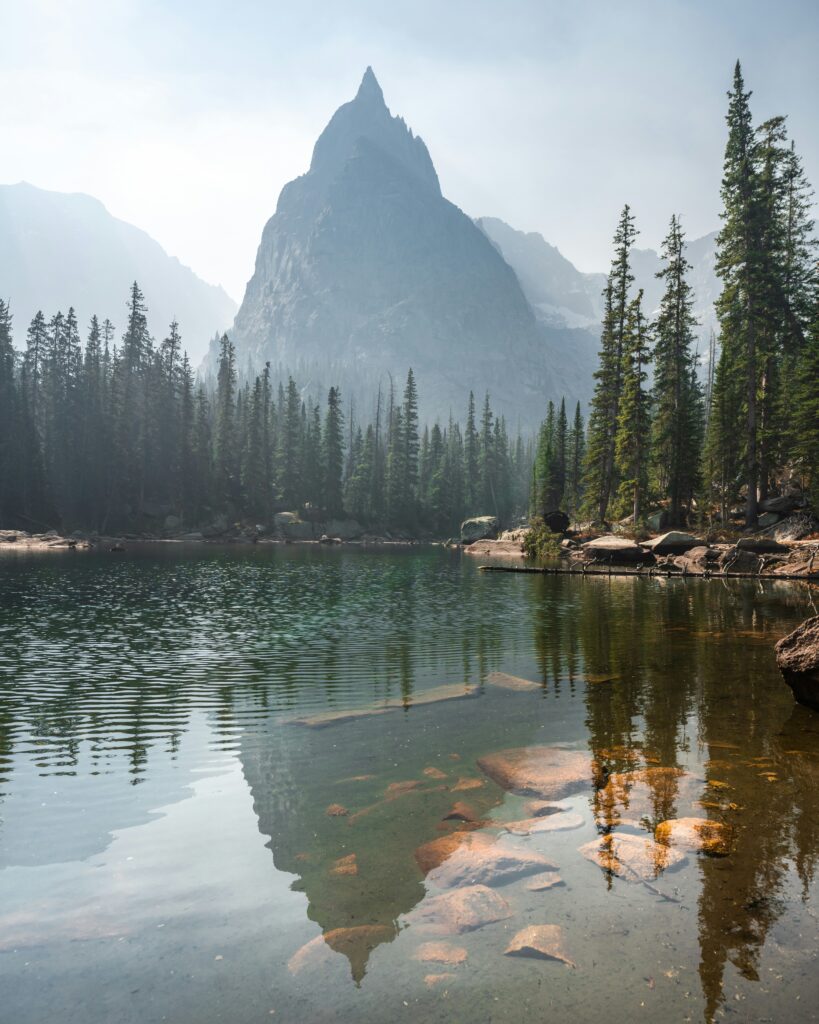
What Is It Like to Live in Colorado?
Colorado offers an unusual combination of urban life and easy access to nature.
Along the Front Range, cities and suburbs stretch from the Denver metropolitan area north toward Boulder and Fort Collins and south toward Colorado Springs. Travel west, however, and the Rocky Mountains dominate the landscape.
Some of Colorado’s best-known communities include:
- Denver — the state capital and largest metropolitan center.
- Colorado Springs — a large city near Pikes Peak with extensive outdoor recreation.
- Fort Collins — a northern Colorado city with a university-town atmosphere.
- Boulder — known for its proximity to the foothills, outdoor lifestyle, and University of Colorado.
- Grand Junction — western Colorado’s major regional center.
- Durango — a smaller southwestern Colorado community surrounded by mountains.
- Pueblo — a southern Colorado city with a different climate and character from Denver.
- Aspen, Vail, and Breckenridge — famous mountain communities strongly influenced by tourism and skiing.
Where you live determines everything from weather and housing prices to job opportunities and how much driving you’ll do.
The Rocky Mountains Are Part of Everyday Life
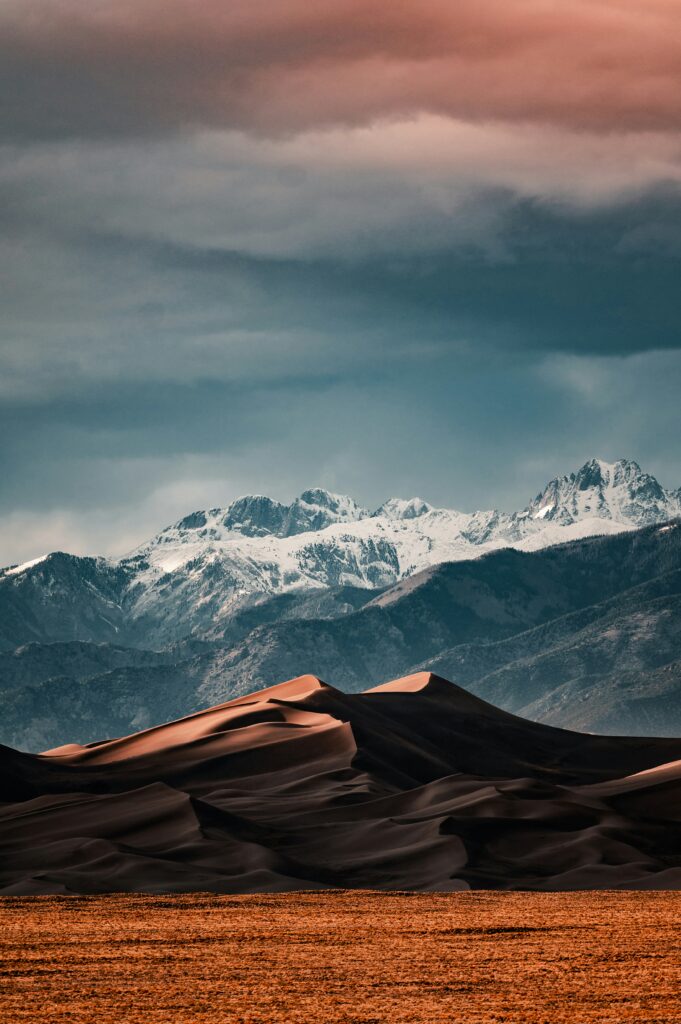
The Rocky Mountains are one of Colorado’s defining features. Residents have access to hiking, camping, fishing, mountain biking, skiing, snowboarding, climbing, wildlife watching, and scenic drives throughout the state. Colorado also contains four national parks: Rocky Mountain, Mesa Verde, Great Sand Dunes, and Black Canyon of the Gunnison.
Rocky Mountain National Park alone covers about 415 square miles and contains alpine lakes, forests, high mountain roads, wildlife, and extensive hiking opportunities. For many people, this access to the outdoors is one of the main reasons they choose Colorado.
Colorado Is More Than Mountains
It is easy to picture Colorado as one enormous mountain range, but much of the state looks very different. Eastern Colorado consists largely of open plains and agricultural land.
Western Colorado includes mesas, canyons, high desert, orchards, vineyards, and red-rock landscapes. The San Luis Valley is a broad high-elevation valley surrounded by mountains, while southwestern Colorado contains forests, historic mining communities, and dramatic mountain ranges. This geographic variety also produces major differences in climate.
Food
People from all around the world are attracted to Colorado, making the food in this state, as diverse as the people. With all the local wildlife, game meats are very popular as items. Such as Bison burgers and elk sausage tend to sneak onto the menu on a regular basis in this state. Colorado also has some of the best Mexican food, especially the green chili.
Denver is a large city, the greater Metro Area. The Denver Metro Area offers quite a selection of ethnic cuisine and shopping opportunities. Asian supermarkets are in all quarters around the central core. The South Federal Boulevard corridor is regarded as Little Saigon, with many good eateries and Asian shops. North Federal, a short drive away is heavily Hispanic.
Something that’s often featured as a condiment rather than a soup, green chili! It gets put on everything here, being ladled over a massive breakfast burrito. Every recipe for this spicy sauce is a little different, but they’re all as addictively delicious. Plus, you can’t forget to try the “rocky mountain oysters,” mostly a novelty in this day and age. Here’s a hint though, they don’t have much to do with seafood.
Neighborhoods
Denver has some great . There are the yuppy urban renewal areas downtown where brand new apartments style themselves as lofts. Downtown has some of the good old lofts, historic hotels, the arts complex, the 16th Street Mall, museums, parks, and a grand library.
You’ll notice kids’ sports complexes dominate; there’s even a miniature Coors Field in Lakewood. You notice as you move out from Denver’s heart, the neighborhoods tell the story of the city and its neighbors. Closely-built brick late 1800s neighborhoods give way to 1920s Craftsman tracts. Which give way to saltbox tracts and mid-century modern brick tracts. Each type with the remnants of commerce popular at the time.
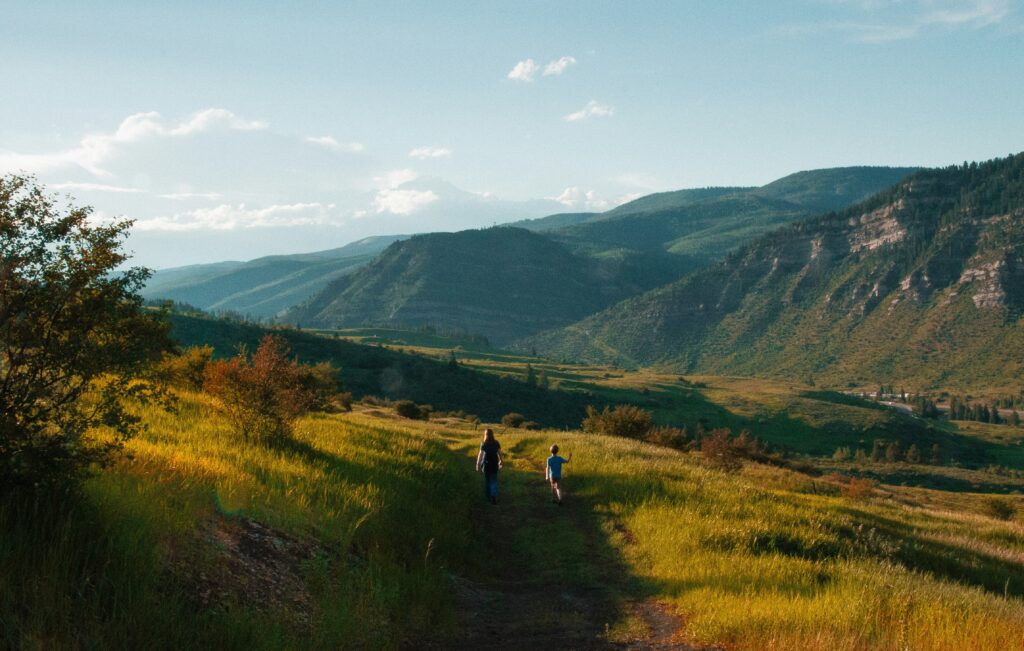
Life in Denver
Denver provides the most urban version of Colorado living.
Residents have access to:
- Restaurants
- Museums
- Professional sports
- Concerts
- Major employers
- Shopping
- Universities
- Health-care systems
- Denver International Airport
At the same time, the foothills begin relatively close to the metropolitan area. That proximity is a major attraction, but it also means mountain highways can become extremely busy on popular ski and summer weekends.
Life in Colorado Springs
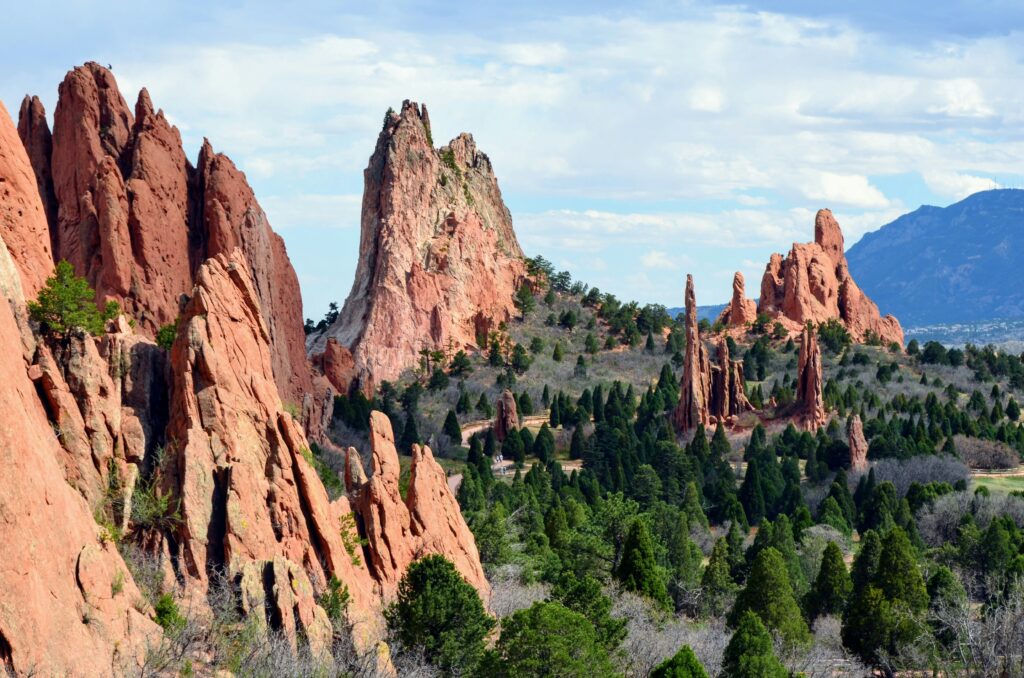
Colorado Springs sits south of Denver near the base of Pikes Peak. The city offers urban amenities but feels somewhat less dense than central Denver. Outdoor destinations such as Garden of the Gods and the surrounding foothills make nature a visible part of everyday life.
Military installations are also an important part of the area’s economy and identity.
Life in Fort Collins
Fort Collins lies in northern Colorado and is home to Colorado State University. It combines a college-town atmosphere with breweries, cycling, outdoor recreation, and access to the northern Front Range. It can appeal to people who want a smaller city while remaining relatively close to Denver and Rocky Mountain National Park.
Living in a Colorado Mountain Town
Mountain-town life can sound idyllic. In many ways, it is. Imagine waking up surrounded by mountains, walking trails after work, experiencing brilliant autumn aspens, and having ski slopes nearby.
But mountain living also comes with realities:
- Expensive housing
- Tourism
- Seasonal traffic
- Snow removal
- Difficult winter driving
- Limited shopping
- Fewer medical specialists
- High elevation
- Wildlife
- Wildfire risk
The postcard view is real—but so are the practical challenges.
History
It’s becoming an arts enclave after a few decades of desolation from coal mine closings. The gas industry has moved in and revived things a bit. Living here is great because on any given day, you can travel from rugged alpine beauty, to cities, to farmland, to desert, all in Colorado. We have some large reservoirs, and some stunningly beautiful natural lakes. Rivers that roar and ones that whisper.
Colorado is roughly divided into three parts. Eastern Colorado (the plains) which consists of dry dirt ranches and small, isolated towns which are gradually fading away. Then there’s the Front Range. That’s from Fort Collins to Colorado Springs north to south, and from the foothills to 35 miles or so east. By far the greatest proportion of the state’s population lives there. Then there’s the part most people think of when they think of Colorado, the “Mountains”. That’s everything from the Front Range west to Utah.
Most of the Front Range gets its water from reservoirs which are fed almost entirely by snowmelt from the mountains west of the front range. Without that water most of Colorado is a literal desert. Some years there is a large snowpack and water is relatively plentiful. Other years it hardly snows at all and water is scarce. Either way there is only so much water to go around and yet the growth goes on and on. Local politicians cannot say no to developers. Even in fairly wet years there are watering restrictions. I can’t imagine how the growth will go on without water.
Activities
Colorado is a beautiful state. I miss waking up at the foothills and mountains. You get a little bit of all the other cultures throughout the United States. It’s becoming even more diverse as residents from other states have begun to flock there. The epicenter where all the action takes place is the Denver Metropolitan Area. The area consists of Denver, Jefferson…well really too many large counties to remember. To the west of Denver, the suburbs climb the foothills of the Rockies until you hit Evergreen where they grow. When you hit Idaho Springs, 15–20 minutes from downtown you are officially in Sasquatch country.
There are an endless amount of activities to do in Colorado. We have the healthiest residents in the United States thanks to the breathtaking environment and government recreational activities offered. If you aren’t into hiking, rock climbing or similar types of activities, taking your dog for a walk will have you greeted with many people stopping, smiling and petting. Colorado is very friendly to dogs.
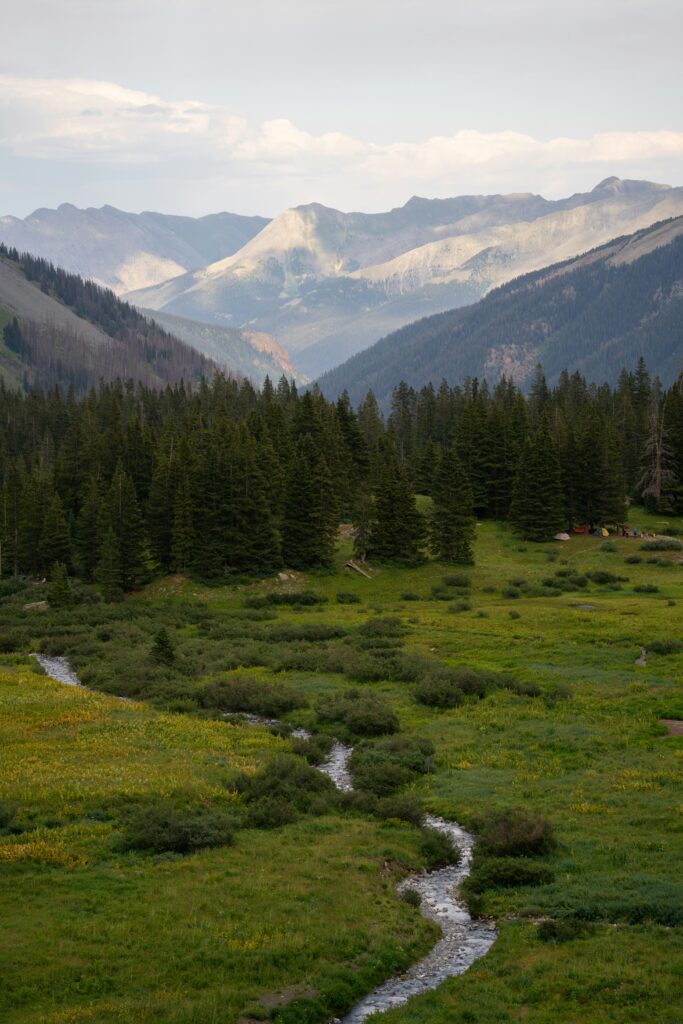
Nature
With tons of sunshine and a vibrant tourism industry, the state of Colorado is constantly throwing some sort of party. From the long list of world-class concerts hosted at the famous Red Rocks Amphitheater to the many Oktoberfest celebrations spread throughout the tiny picturesque mountain towns around the state, there’s always something to do.
Two of the most unique events include the Winter Carnival in Steamboat Springs with ski jumping, chariot racing, and a wild fireworks display, as well as the Pikes Peak Marathon, a foot race in which runners race to an elevation of more than 14,000 feet on the summit of Pikes Peak and then back down to Manitou Springs.
The state greeting “Welcome to Colorful Colorado” couldn’t ring more true, with beautiful natural attractions stretching to nearly every corner of this state. Home to 53 mountain peaks over 14,000 feet tall, over 25 ski hills, 42 state parks, and places like the Rocky Mountain National Park, there’s always something to do outside in Colorado.
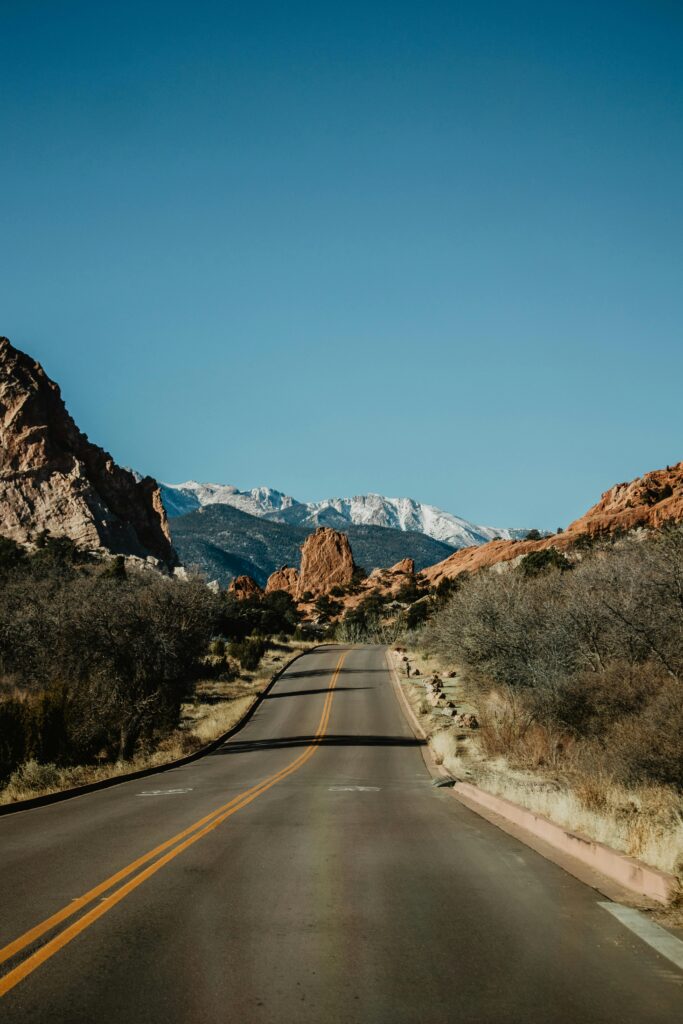
Even just driving through the state can be jaw-dropping, as beautiful mountain roads like Loveland Pass make high altitude scenes visible for anyone with a car, while the Pikes Peak Highway takes visitors to the summit of one of America’s most famous mountains. This is one state where you’ll have no problem constantly getting some fresh air.
Colorado’s Famous Aspen Fall Colors
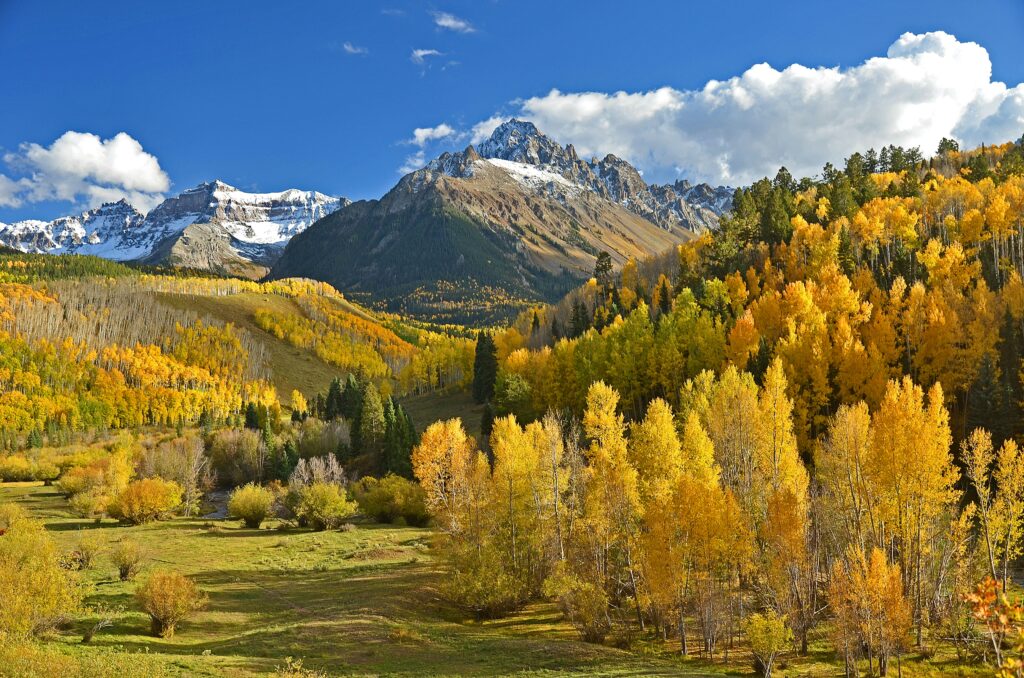
Autumn is one of Colorado’s most spectacular seasons.Aspen trees change from green to brilliant shades of gold and yellow, particularly throughout the mountains. The timing varies with elevation, weather, and location, and popular viewing areas can become extremely crowded during peak weekends. Fall is relatively short at higher elevations, but it can be one of the most beautiful times of year.
Driving in Colorado
A reliable vehicle is important throughout much of Colorado. Urban residents may have access to public transportation, but exploring mountain and rural areas generally requires driving. Mountain roads require additional preparation.
Drivers need to consider:
- Snow
- Ice
- Steep grades
- High elevations
- Rapid weather changes
- Wildlife
- Mountain-pass closures
- Heavy recreational traffic
Winter driving skills can become especially important for residents who regularly travel between the Front Range and mountain communities.
Weather
Weather in Colorado
Colorado’s weather can change quickly. According to the Colorado Climate Center, the state’s high elevation, interior location, and complex terrain create significant climate differences from one area to another. Colorado is generally relatively dry. The statewide average annual precipitation is about 17 inches, although mountain locations can receive considerably more moisture than the plains and valleys.
One of the biggest adjustments for newcomers is how much elevation influences weather. A warm, sunny day in Denver does not necessarily mean conditions will be similar in the mountains.
Colorado Winters
Colorado winters depend heavily on elevation and location. Mountain communities can experience substantial snowfall and long winters, while lower-elevation Front Range cities may alternate between snowstorms and surprisingly mild sunny days. Snow in Denver or Colorado Springs can sometimes melt relatively quickly because of sunshine and dry air.
The high country is different.
Mountain passes may experience:
- Heavy snow
- Ice
- Strong winds
- Reduced visibility
- Avalanche conditions
- Road closures
Anyone who regularly travels through the mountains during winter should be prepared for rapidly changing conditions. For people who enjoy winter recreation, however, Colorado offers exceptional opportunities for skiing, snowboarding, snowshoeing, cross-country skiing, and snowmobiling.
Summers in Colorado
Colorado summers can be beautiful. Warm days and cool evenings are common in many higher-elevation areas, making summer ideal for outdoor activities.
Residents spend the season:
- Hiking
- Camping
- Fishing
- Paddleboarding
- Mountain biking
- Horseback riding
- Photographing wildlife
- Exploring scenic highways
- Visiting mountain towns
At lower elevations, summer afternoons can become quite hot. Thunderstorms also develop quickly in mountain environments, making early starts important for high-elevation hikes. Colorado is usually bearable, sometimes very dangerous and often just down right heaven. There are all four seasons in Colorado. In the metro area, spring starts later every year it seems. It snowed yesterday, it was 70 degrees the day before and who knows what it will be like tomorrow.
Changing weather
The weather changes at the drop of a hat. Yesterday it started raining as a downpour, for the first time this year, built up to thunderstorms as a cold front moved in. It’s hard to complain about the weather in Colorado, especially if you enjoy participating in snow sports. With warm, dry summers, filled with some of the sunniest days in the country, there’s no excuse not to grab a few tan lines before the long winter hits. However, despite what you might think, even the winters here aren’t too bad. First snowfall brings a whole new variety of outdoor options to life as skiing and snowboarding take over the state.
Most places in Colorado tend to experience a decent amount of snowfall, but warm temperatures during the day often melt away problems on the roads and the time-tested snow readiness infrastructure typically takes care of the leftovers. The average temperature in Denver during the summer months tends to hang around 70 degrees, while winter months drop down to a still very tolerable average of 34, with cities in the mountains being quite a bit colder. With enough snow for skiing and enough sunshine for a little warmth, Colorado winters are actually the best of both worlds.
Life at High Altitude
Elevation affects more than just the weather. Denver sits approximately one mile above sea level, which explains its famous nickname, the Mile High City. Many mountain communities are considerably higher.
New residents arriving from lower elevations may initially notice:
- Shortness of breath during exercise
- Faster dehydration
- Headaches
- Fatigue
- Greater sensitivity to alcohol
- Stronger effects from sunlight
Most healthy people adjust gradually, but hiking immediately to extreme elevations after arriving from sea level is not always comfortable. Drinking plenty of water, allowing time to acclimate, and using sun protection become important habits.
Education
Education is a large priority. However as with every where else in the world, there’s quite a difference between schools in different districts and even schools that are in the same city. College is also a high priority. Colorado University in Boulder is one of the top party schools in the nation in one of the most well known party towns in the USA. CSU is another quality university within minutes of Boulder.
In the metro area you have the private school, Denver University which offers the best education in Colorado if you can afford it. In Aurora there’s the Anshultz medical campus which is part of CU Denver. On Auraria campus in the heart of downtown, with the Pepsi center and elitches next door, there is Metropolitan State University, CU Denver and Denver Community College.
Cost of Living in Colorado
Colorado is no longer an inexpensive state in many of its most desirable communities. Housing costs can be particularly significant around Denver, Boulder, popular Front Range communities, and mountain resort towns.
For the 2020–2024 period, the U.S. Census Bureau reported a statewide median value of approximately $539,400 for owner-occupied homes and median gross rent of about $1,761 per month. Those are statewide figures. Housing in a mountain resort community can be dramatically more expensive, while some smaller towns and rural communities may be less costly.
When considering a move, research the exact community rather than relying solely on Colorado-wide averages.
I can’t imagine being able to afford even a studio apartment if I was making minimum or near minimum wage. I’d have to live in Aurora which is just not an option. Ever since recreational marijuana has become legal rent has climbed an average of $400–500 from the apartment I have rented. Overpriced housing market: particularly true for the mountain town resort areas.
Despite the huge number of people moving to Colorado, prices have stayed relatively low, especially outside of Denver. On the same cost of living scale that scores average America at an even 100, Colorado gets a 106, likely inflated due to Denver’s score of 107, mostly due to the recent housing market boom.
However, smaller cities around the state have managed to stay affordable, with places like Colorado Springs, a city with close to 700,000 residents in the metro area, scoring a 99. Places like Greeley and Pueblo are even cheaper, scoring a 97 and 81, respectively. There are obvious exceptions to this low cost of living, as certain places like Boulder and Vail are more expensive, but most places around this state won’t break your bank.
Housing in Colorado
Housing is one of the biggest considerations for newcomers. Popular areas often have strong demand because they combine employment opportunities with access to mountains and outdoor recreation. Mountain towns face additional challenges because available land can be limited while tourism and second-home demand increase competition for housing.
Rural Colorado can sometimes provide more land, but country living may bring different expenses, including:
- Well maintenance
- Septic systems
- Snow removal
- Private road maintenance
- Propane
- Longer commutes
- Wildfire mitigation
- Livestock fencing
A beautiful rural property can be wonderful, but it is important to understand how it functions during winter—not only how it looks in July.
Taxes in Colorado
Colorado has an individual state income tax.
The Colorado Department of Revenue lists the 2025 individual income tax rate at 4.4% of Colorado taxable income. Rates can change by tax year, so residents should check current state guidance when making financial decisions.
Property taxes, local sales taxes, housing costs, and other expenses also vary by community. A move should therefore be evaluated based on total household expenses rather than any single tax rate.
Traffic
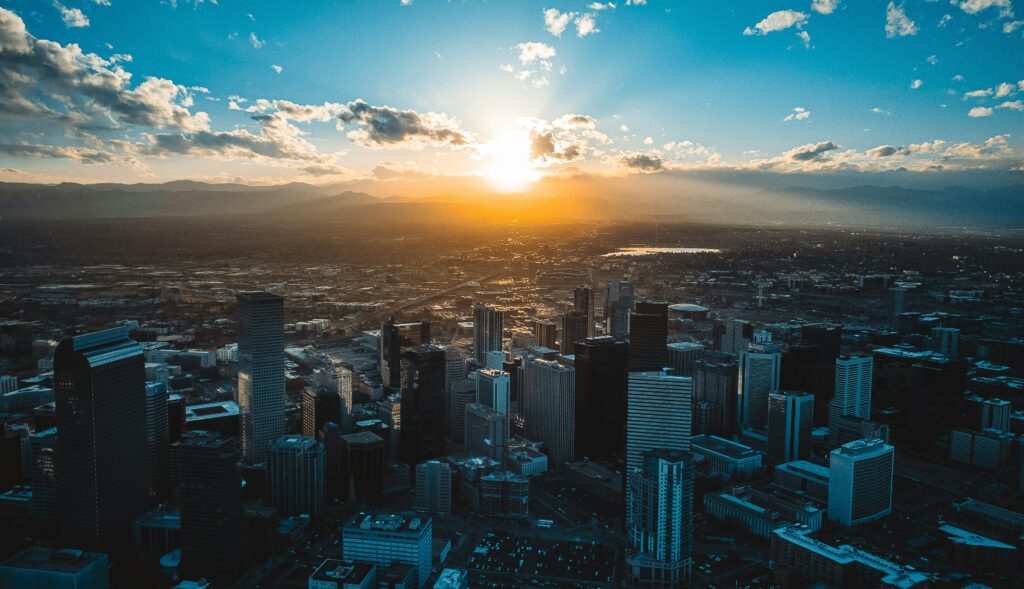
Traffic is becoming a total nightmare, the influx of so many expatriates from other states is creating an alarming rise in bumper to bumper traffic. Even as spectacularly managed roadworks programs like Trex program to extend I-25 throughout the tech center and Central Denver, construction cannot keep up and there is no more room to expand the highways and roads. The light rail system is stunning, but that too is still under construction in many key areas such as Arvada/Denver.
If you have a 9-5 and live on the front range, doing anything mountain related on the weekends can be brutal with traffic and overall congestion. You have to get permits to do a lot of hikes, backpacking, or camping that can sell out very quickly up to a year in advance. You have to be out of the house by 5am to make it to the ski resort from Denver if you want to go for the day during peak season.
Keep in mind that if you live on the front range, the mountains will be 1.5-2 hours away on I-70 without any traffic. I-70 is essentially a 2 lane highway that was not built for the rapid population influx CO has seen over the past 10 years. If there’s an avalanche or if someone decides to cut off a semi, you’ll be parked there for hours. Maybe at night.
Driving in Colorado
A reliable vehicle is important throughout much of Colorado. Urban residents may have access to public transportation, but exploring mountain and rural areas generally requires driving. Mountain roads require additional preparation.
Drivers need to consider:
- Snow
- Ice
- Steep grades
- High elevations
- Rapid weather changes
- Wildlife
- Mountain-pass closures
- Heavy recreational traffic
Winter driving skills can become especially important for residents who regularly travel between the Front Range and mountain communities.
Jobs and Working in Colorado
Colorado has a diverse economy that includes employment in:
- Health care
- Technology
- Aerospace
- Government
- Education
- Construction
- Energy
- Tourism
- Hospitality
- Outdoor recreation
- Agriculture
- Professional services
Employment opportunities vary significantly between regions. The Denver metropolitan area has a much larger and more diverse job market than most rural mountain communities. Colorado’s seasonally adjusted unemployment rate was 4.0% in August 2026, according to the U.S. Bureau of Labor Statistics. If you plan to work remotely from a rural or mountain home, check internet and cellular availability at the exact property before moving.
Crimes
Colorado boasts a crime rate that’s actually under the national average, at 2,967 reported criminal acts per 100,000 people. Even the crime rate found in Colorado’s largest city, Denver, tends to hang around 4,275 reported acts per 100,000 residents, slightly higher than the national average, but low for a big city and decreasing at an annual rate. Some cities are a bit more dangerous, like Pueblo. Overall, you don’t have to worry too much about staying safe in Colorado.
Getting around in Colorado is pretty easy. Even long distances travelled through the mountains are made quicker by high speed limits of 75 miles per hour. Places in the Denver area tend to have an average commute time of around 25 minutes, typical for a big city, while mid-sized places like Colorado Springs and Pueblo have commute times closer to 20 minutes.
Most of the larger cities also offer some sort of public transportation, whether it’s a bus system or the ever-growing light rail system in Denver, a service that’s been expanding over recent years to include even more of the many local suburbs. Most places in Colorado have a great walking and biking infrastructure, with many greenway paths that make alternative means of transportation an option for the more active residents all around the state.
Denver is just another big city with big city problems: crime, overcrowding, and high cost of living. Traffic is terrible, even late at night and weekends.
Sport
Snow sports aren’t the only thing that have people cheering in this state, Colorado is also home to a large range of professional and collegiate sports that the locals are constantly showing love for. Denver is home to the big 5 professional sports, with the Broncos on the gridiron, the Nuggets shooting hoops, the Rockies taking to the baseball diamond, the Avalanche slapping pucks around the ice, and the Rapids kicking goals in the nearby Commerce City. Schools teams like the CU-Boulder Buffaloes and the Air Force Academy Falcons in Colorado Springs also make for a great afternoon at the big game. There’s always someone to root for in the Centennial State.
Outdoor Life in Colorado
Outdoor recreation is deeply connected to Colorado culture. Colorado’s state parks recorded roughly 19 million visits during fiscal year 2024–25, reflecting just how popular outdoor recreation has become. Depending on where you live, weekend activities might include hiking a mountain trail, camping beside a lake, skiing, mountain biking, fishing, climbing, or simply driving into the mountains for the afternoon.
Colorado also has numerous scenic and historic byways through mountain passes, valleys, forests, and high-country landscapes. You do not have to be an extreme athlete to appreciate Colorado. Sometimes simply being able to see snow-covered mountains during an ordinary drive is part of the appeal.
Wildlife in Colorado
Wildlife is another major part of life in the state.
Colorado is home to animals including:
- Elk
- Moose
- Mule deer
- Pronghorn
- Black bears
- Mountain lions
- Coyotes
- Bighorn sheep
- Mountain goats
- Bobcats
- Bald eagles
- Golden eagles
Colorado Parks and Wildlife estimates that the state has more than 280,000 elk, one of the largest elk populations anywhere. Depending on the community, deer and elk may occasionally wander through residential areas.
Mountain lions and black bears are also present in suitable habitat. Living near wild areas means securing garbage, avoiding intentionally feeding wildlife, supervising pets appropriately, and learning how to respond to encounters with larger animals.
Life With Dogs in Colorado
Colorado can be an excellent place for dogs, particularly for owners who enjoy being outdoors. Trails, parks, campgrounds, lakes, and mountain communities provide countless opportunities for exploring together.
However, dog owners should consider:
- High-altitude exertion
- Wildlife encounters
- Hot pavement
- Winter cold
- Ice and snow
- Mountain terrain
- Rattlesnakes in some lower-elevation areas
- Wildfire smoke
- Limited veterinary access in remote regions
Dogs that spend time hiking also need adequate water and gradual conditioning for altitude and distance.
Wildfires Are Part of Life in the West
Wildfire risk is something anyone considering a home in Colorado’s mountains, foothills, or forested areas should understand. Dry weather, vegetation, wind, and periods of extreme heat can create serious fire conditions.
Even when a wildfire is far away, smoke can affect air quality. People considering rural or mountain property should research local fire risk, evacuation routes, defensible-space recommendations, homeowners insurance, and emergency notification systems before buying.
Advantages of Living in Colorado
Colorado has many appealing qualities.
Spectacular scenery. Mountains, forests, alpine lakes, plains, canyons, and desert landscapes exist within the same state.
Outdoor recreation. Hiking, camping, skiing, climbing, fishing, cycling, and wildlife photography are easily accessible.
Distinct seasons. Colorado offers snowy winters, colorful autumns, warm summers, and changing spring weather.
Wildlife. Elk, deer, moose, bears, mountain lions, and numerous bird species inhabit the state.
Different lifestyle choices. Residents can choose major-city living, suburbs, mountain towns, agricultural communities, or remote rural properties.
Active communities. Outdoor activity is deeply integrated into life in many parts of the state.
Challenges of Living in Colorado
Colorado also has drawbacks worth considering.
- Housing costs. Homes and rentals can be expensive in many desirable communities.
- Wildfire risk. Forested and foothill areas can face serious fire hazards.
- Altitude. Some newcomers require time to adjust.
- Mountain traffic. Popular highways can become crowded during weekends and holidays.
- Rapid weather changes. Conditions can shift dramatically, particularly at higher elevations.
- Winter driving. Snow and mountain passes require preparation.
- Tourism. Resort communities can become extremely busy during peak seasons.
Who Might Enjoy Living in Colorado?
Colorado may be particularly appealing to people who love:
- Mountains
- Hiking
- Wildlife
- Photography
- Camping
- Skiing
- Snowboarding
- Fishing
- Mountain biking
- Dogs
- Horses
- Road trips
- Four-season scenery
- Rural living
- Outdoor adventure
It can also work well for people who want access to a major city while still being able to escape into the mountains.
Is Colorado a Good Place to Live?
There is no single Colorado lifestyle. Living in downtown Denver is different from living on several acres outside a small town. Boulder is different from Pueblo. Grand Junction is different from Breckenridge. The eastern plains feel very different from the Rocky Mountains.
That variety is one of Colorado’s greatest strengths. For people who love mountain scenery, wildlife, outdoor recreation, and dramatic seasonal changes, Colorado can provide an extraordinary lifestyle. But anyone considering a move should also realistically evaluate housing prices, altitude, wildfire exposure, winter driving, traffic, and the particular community they are considering.
Colorado’s mountains may be what first capture your attention. For many residents, however, it is the ability to make nature part of everyday life that ultimately makes the state feel like home.