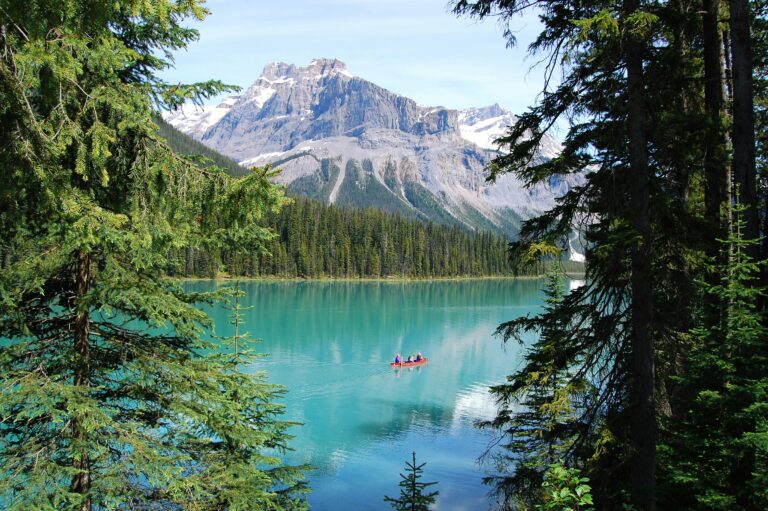
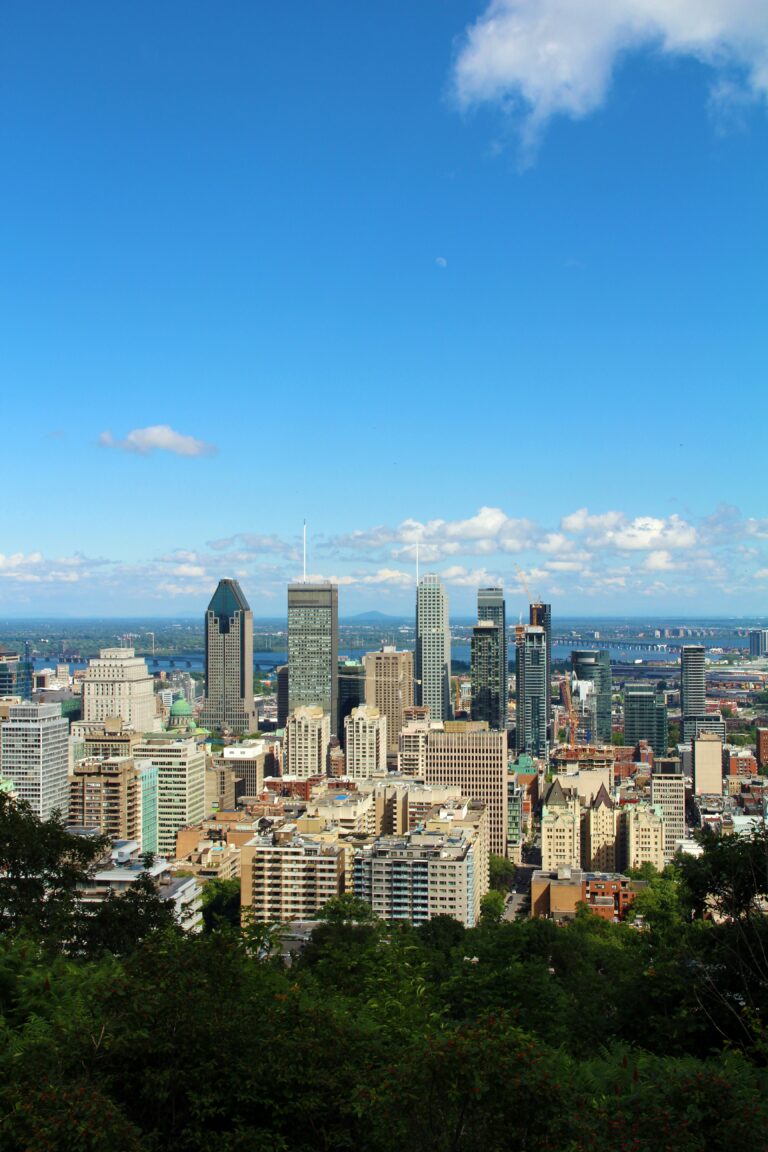
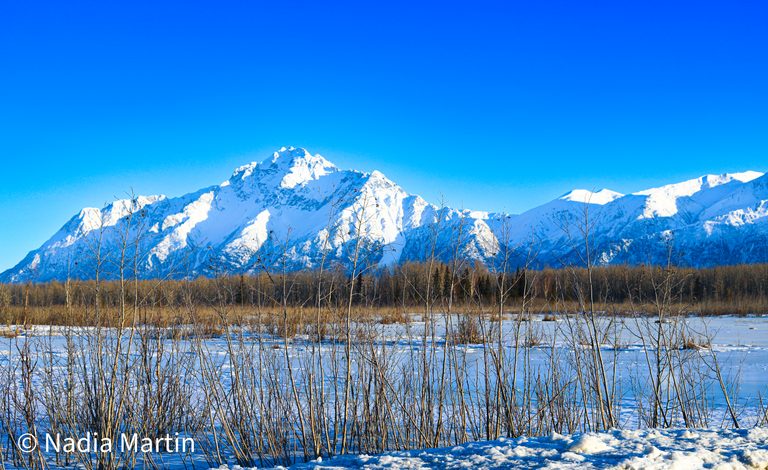
Oregon offers a mix of lush forests, mountains, ocean coastline, farmland, high desert, and small towns, so everyday life can feel completely different depending on where you settle.
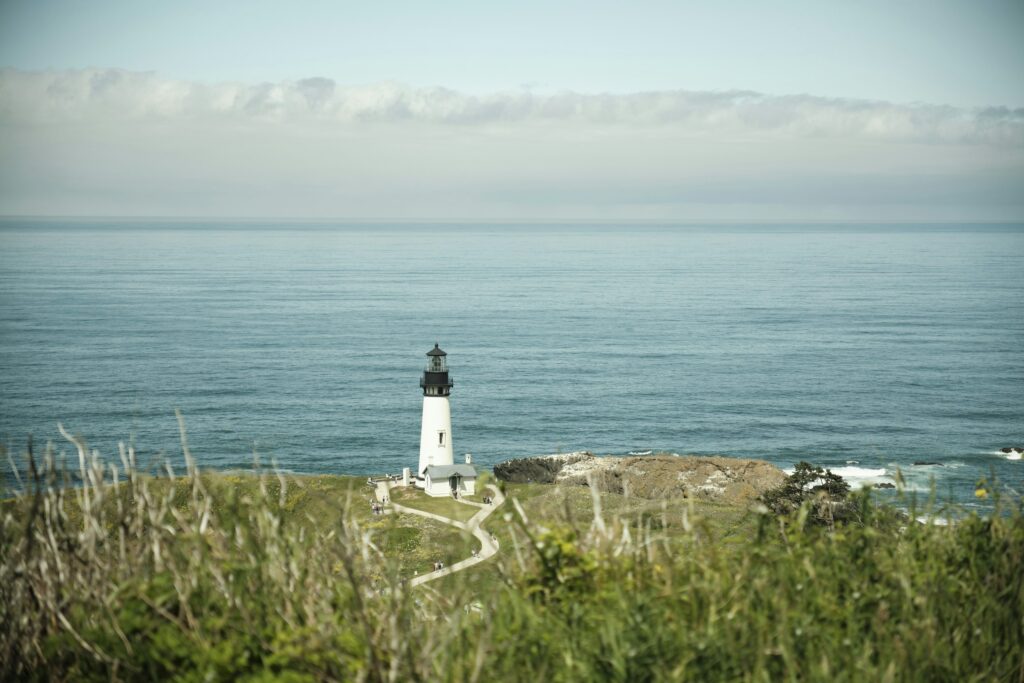
Since I was a teenager I have always wanted to live near the Ocean. I always had a passion for marine life. It always fascinated me a lot, especially whales, dolphins, octopuses, and the deep open ocean. Florence was a really nice, quiet, peaceful, friendly retirement community. We lived there for a while and just loved the place. We went to the beach a lot, we visited the sand dunes. My husband loves lighthouses.
Oregon is a state of dramatic contrasts. Within a single road trip, you can travel from a rugged Pacific coastline and misty evergreen forests to snow-covered mountains, fertile valleys, volcanic landscapes, and surprisingly dry high desert.
A State of Many opportunities
For people who love nature, outdoor recreation, small towns, creative communities, forests, mountains, and the ocean, life in Oregon can be extremely appealing.
The rainy climate people often associate with the state primarily describes western Oregon. Cross the Cascade Mountains, and the environment becomes much drier. Portland feels completely different from Bend, and life in a small coastal town bears little resemblance to life in rural eastern Oregon.
Oregon’s estimated population was about 4.27 million in 2025, yet much of the state remains lightly populated outside its major communities.
There is so much tourism on the coast in the summer. I love walking, in the late evening, smelling the nice breeze, the smell of the ocean, in Florence. It is such a nice, quiet, peaceful place to be.
We always felt safe there, even walking late at night. Oregon has really nice, dry summers but it does rain a lot during the winter. Western Oregon even gets some snow, but it’s really rare and it doesn’t stay very long. If you like snow you would have to move on the eastern side of the state. The valley which contains Portland, Salem, Eugene is where most of the Oregon population is. It’s very crowded in that part of the state, with a lot of traffic.
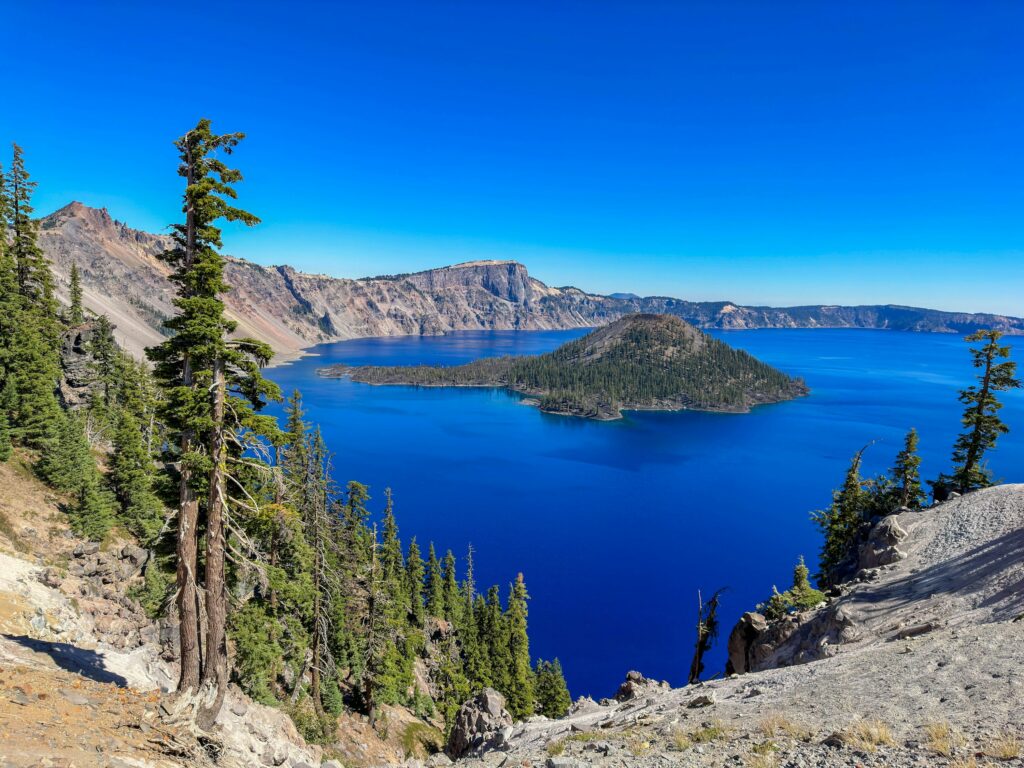
Oregon has so many beautiful spots to visit ! We went to Crater lake very often. It is such a deep, beautiful lake. The lake partly fills a 2,148-foot-deep (655 m) caldera that was formed around 7,700 years ago by the collapse of the volcano Mount Mazama. No rivers flow into or out of the lake. The evaporation is compensated for by rain and snowfall at a rate such that the total amount of water is replaced every 250 years. With a depth of 1,949 feet (594 m), the lake is the deepest in the United States. In the world, it ranks ninth for maximum depth, and third for mean (average) depth.
What Is It Like to Live in Oregon?
Perhaps the best word to describe Oregon is diverse. That applies to its landscapes as much as its communities. Oregon stretches roughly 400 miles across and contains very different regions, including the Oregon Coast, Willamette Valley, Portland region, Cascade Mountains, Central Oregon, Southern Oregon, and Eastern Oregon.
Depending on where you live, your surroundings might include:
- Dense evergreen forests
- Pacific Ocean beaches
- Snow-covered mountains
- Waterfalls and rivers
- Agricultural valleys
- Vineyards
- Volcanic landscapes
- High desert
- Sagebrush country
- Small farming or ranching communities
This variety is one reason it is difficult to describe a single Oregon lifestyle.
Some of Oregon’s better-known communities include:
- Portland — Oregon’s largest city and its main metropolitan center.
- Salem — the state capital, located in the Willamette Valley.
- Eugene — a university city surrounded by forests, farmland, and outdoor recreation.
- Bend — a rapidly developed Central Oregon community known for high-desert scenery and outdoor recreation.
- Medford — one of Southern Oregon’s larger population centers.
- Ashland — known for arts, theater, and its Southern Oregon setting.
- Corvallis — a college community in the Willamette Valley.
- Astoria — a historic community near the mouth of the Columbia River.
- Newport — a well-known central Oregon Coast community.
- Pendleton — an eastern Oregon community with deep agricultural and Western traditions.
Where you choose to live can completely change your experience of Oregon.
Oregon’s Incredible Natural Landscape
Nature is one of the defining characteristics of life in Oregon. Travel Oregon describes the state as containing everything from rugged coastline and dense forests to alpine peaks, wild rivers, and high desert—all within relatively manageable driving distances. Residents have access to an extraordinary variety of landscapes.
You can wake up near a city and spend the afternoon:
- Hiking through forest
- Visiting a waterfall
- Walking along the Pacific Ocean
- Skiing in the mountains
- Kayaking a lake
- Exploring volcanic terrain
- Driving into high desert
- Photographing wildlife
For many residents, outdoor recreation isn’t simply something reserved for vacations. It becomes part of everyday life.
Life on the Oregon Coast
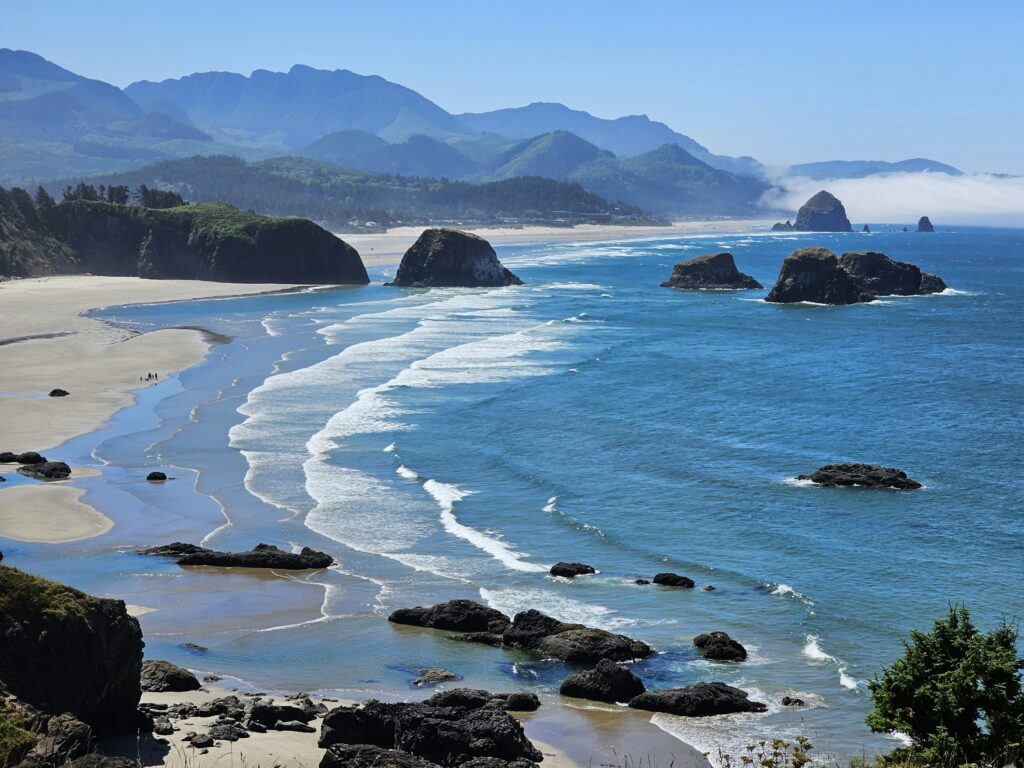
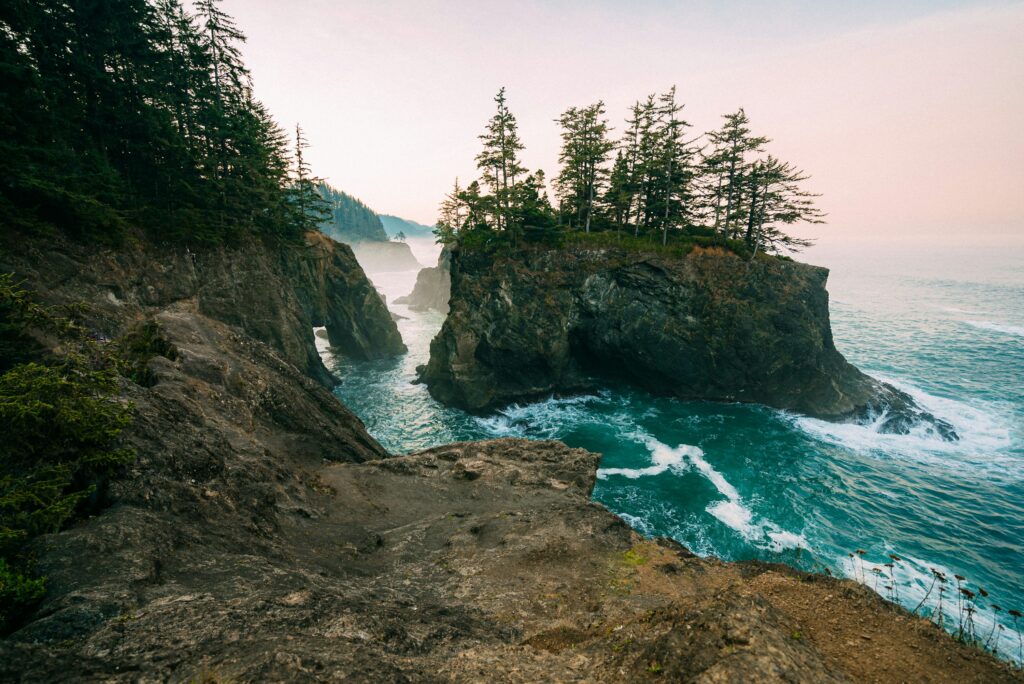
The Oregon Coast is one of the state’s most distinctive regions. Oregon has approximately 363 miles of publicly accessible coastline, with beaches protected for public recreational use. Coastal life can include dramatic ocean views, rocky headlands, forests, fishing communities, sea stacks, lighthouses, and long stretches of beach.
Popular coastal communities include:
- Astoria
- Cannon Beach
- Lincoln City
- Newport
- Florence
- Coos Bay
- Bandon
- Brookings
Residents experience plenty of:
- Rain
- Wind
- Clouds
- Winter storms
- Salt air
- Cool temperatures
The Ocean
The ocean also rarely becomes truly warm. For someone who dreams of tropical beach living, Oregon probably isn’t what they imagine. But if your idea of a perfect beach includes crashing waves, fog drifting through spruce trees, dramatic clouds, tide pools, and walking along the shore wearing a jacket, the Oregon Coast can be spectacular.
We drove 101 a lot and I always love taking pictures at the different pull out spots on the road. To me, the Oregon coast also has the perfect temperature, not too hot, not too cold. I also loved the fog in the evening coming in from the ocean.
Sometimes the winter can be depressing because it rains a lot and it is also overcast a lot, but nothing like taking Vitamin D3 daily and your depressed mood will go away. It helps a lot during the winter, especially in the pacific northwest where it’s overcast a lot of the time.
Depoe Bay is very popular especially during the whale migration and we could see gray whales coming really close to the edge of the cliff because the water is so deep. Depoe Bay is also home to the world’s smallest port and they offer whale watching during the summer which we went to, on one occasion and it was so much fun !
Whale Watching
We could see the whales up close while feeding on their migration. If you are not a fan of deep sea, large waves then I should tell you that it might not be a good idea to go whale watching. You can always see them right off the edge of the viewing area in Depoe bay.
Life in Salem was also very nice. Salem is a very big city in the Oregon valley. It has tons of shopping, restaurants, parks and things to do anddoes get really hot now in the summer. It didn’t get too hot when I lived there years ago, but now the temperature is really rising everywhere. Even in the valley, it is not uncommon to be in the 90’s in the summer there.
When I used to live in Salem, our favorite places to eat were, Best little roadhouse, Olive garden, Garlic Jim Pizza. We were thrilled when we found out that they opened a Texas roadhouse in Eugene, but our eating experience there was not very pleasant.
I don’t know if it is still like that but needless to say we never went back. I asked the waitress why they did that, and she told me it was faster that way. My husband and I don’t go to restaurants to sit down, be rushed and served like at a cafeteria. We enjoyed our experience much more in other Texas roadhouses, like Wyoming and Alaska.
Dog Parks
Salem has a huge dog park, Minto park which is 1,200 acres. There is a huge off leash area for dogs, miles of bike and walking, jogging, lanes. It’s beautiful, very peaceful. You wouldn’t think you are in the city when you are in the park.
I went to the dog park every day with my dogs. It was very friendly, I met a lot of nice people there. Dog parks are super cool to socialize your dog, but also to meet new people. It’s a good way to get out of the house, get exercise and break the boring routine while meeting new people.
After a while, I learned from a Petco worker that there was a fenced dog park in Keizer rapids, in Keizer, Oregon so I went there to see it. I was happy because I wasn’t sure if I could trust my wolf hybrid not to go too far from me so I started going there instead. I met a few people that became really good friends there. We would go to the park everyday around the same time, when people would get off of work and would meet the same group of people there everyday. It was a fun time for me and my dogs. They would get their daily exercise, and I would get to be social with people, which I liked a lot.
I really miss living there. We are planning to buy a house on the coast there sometime soon and leave Alaska. Alaska just isn’t for us. It’s gorgeous but the winters are too harsh and too cold. Most people are very friendly in Oregon.
There are a lot of people that come from other states and places so I think that really adds to the friendliness of people.
The Weather in Oregon
One of the biggest misconceptions about Oregon is that the entire state is rainy. It isn’t. The Cascade Mountains divide Oregon into dramatically different climates.
Western Oregon
Western Oregon receives much more Pacific moisture. Winters are generally wetter, with frequent cloudy and rainy periods in places such as Portland, Salem, and Eugene. Snow can occur at lower elevations, but prolonged deep snow is less typical in many western valleys than it is at higher elevations.
Summers are generally much drier. One thing that surprises newcomers is how beautiful western Oregon summers can become. Months associated with rain during winter can give way to long periods of sunshine and dry weather.
Eastern Oregon
Cross the Cascades and the scenery changes considerably.
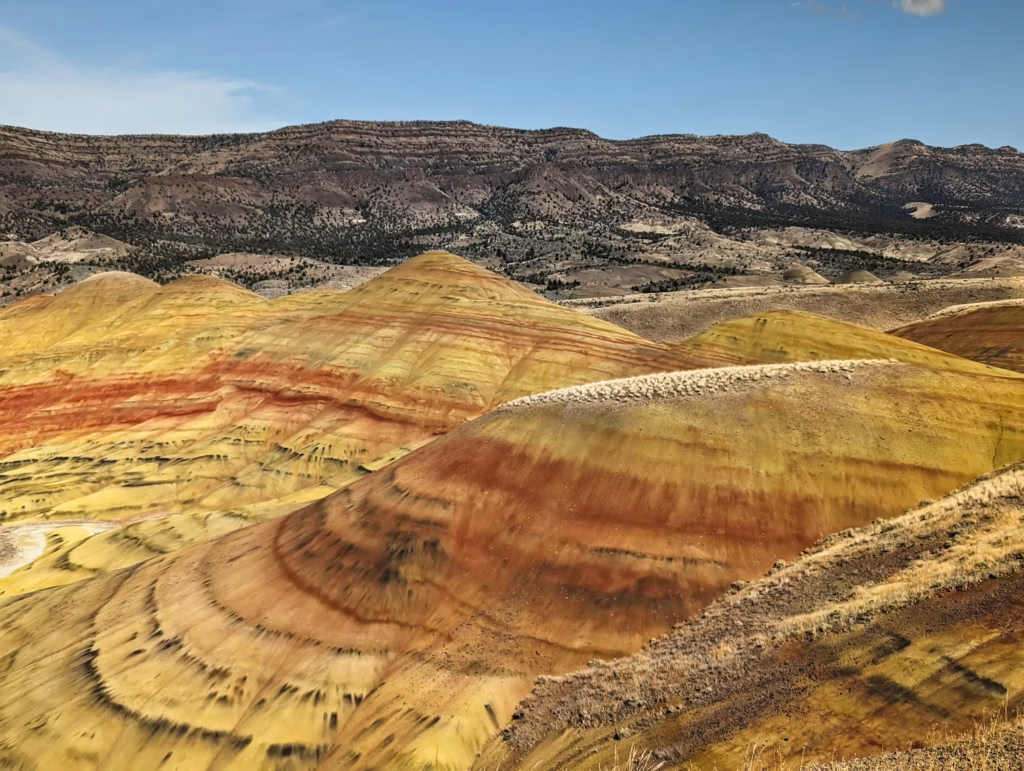
Eastern Oregon lies partly within the mountains’ rain shadow, producing a much drier climate. Summers can be hot and dry, while winters can be cold and snowy depending on elevation.
Instead of the dense green forests usually associated with Oregon, you may see:
- Sagebrush
- Open grasslands
- Ranch country
- High desert
- Rocky canyons
- Wide-open valleys
Central Oregon around Bend also has a much drier high-desert environment than western Oregon.
Does It Really Rain All the Time in Oregon?
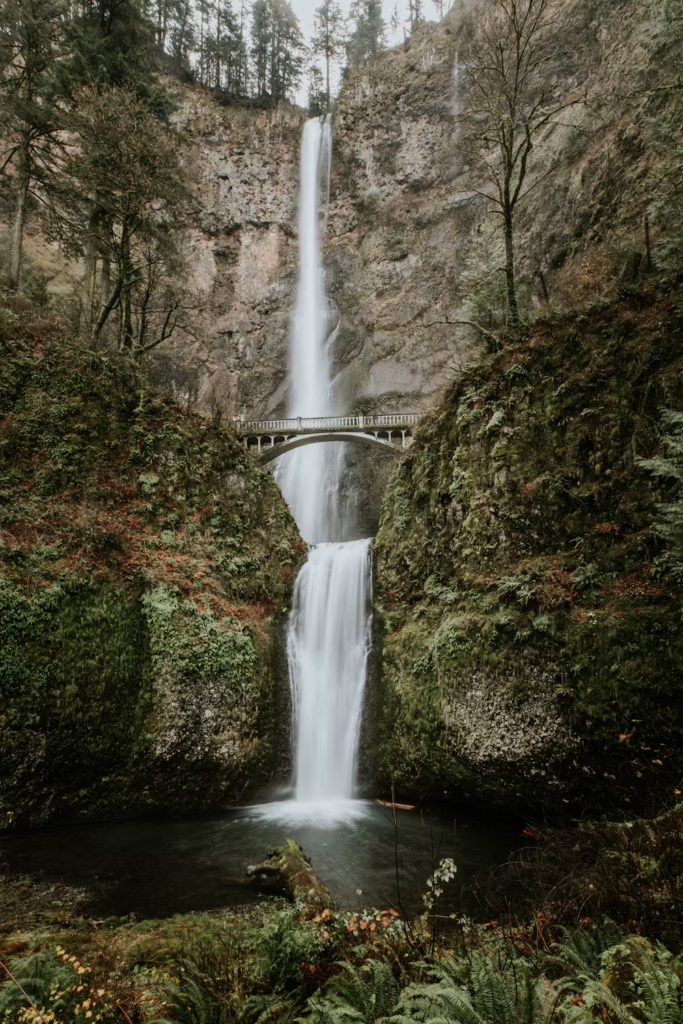
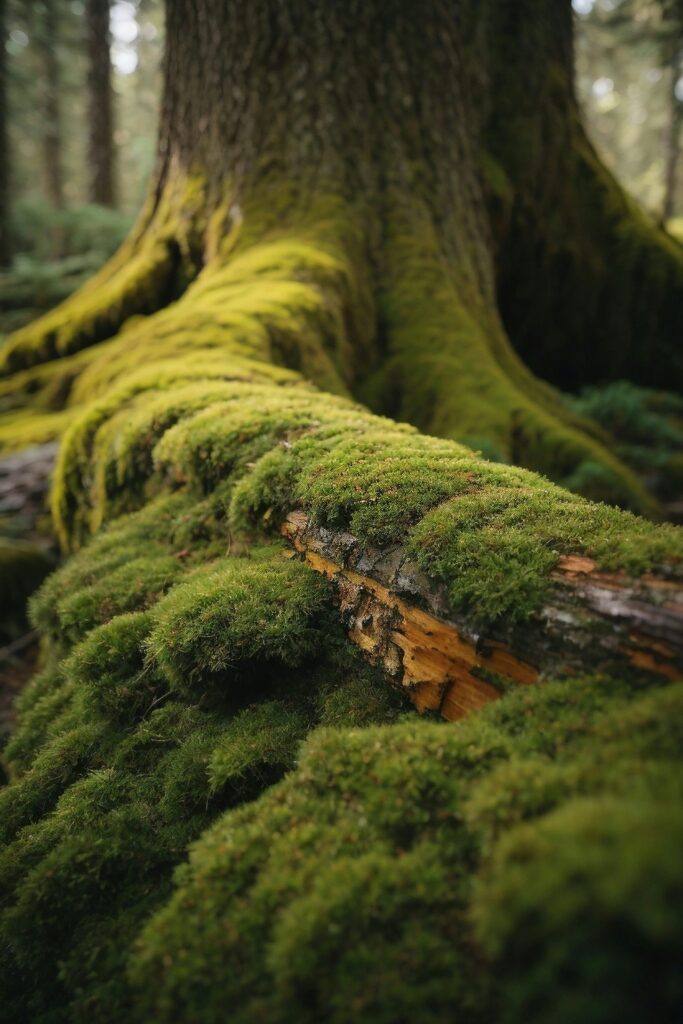
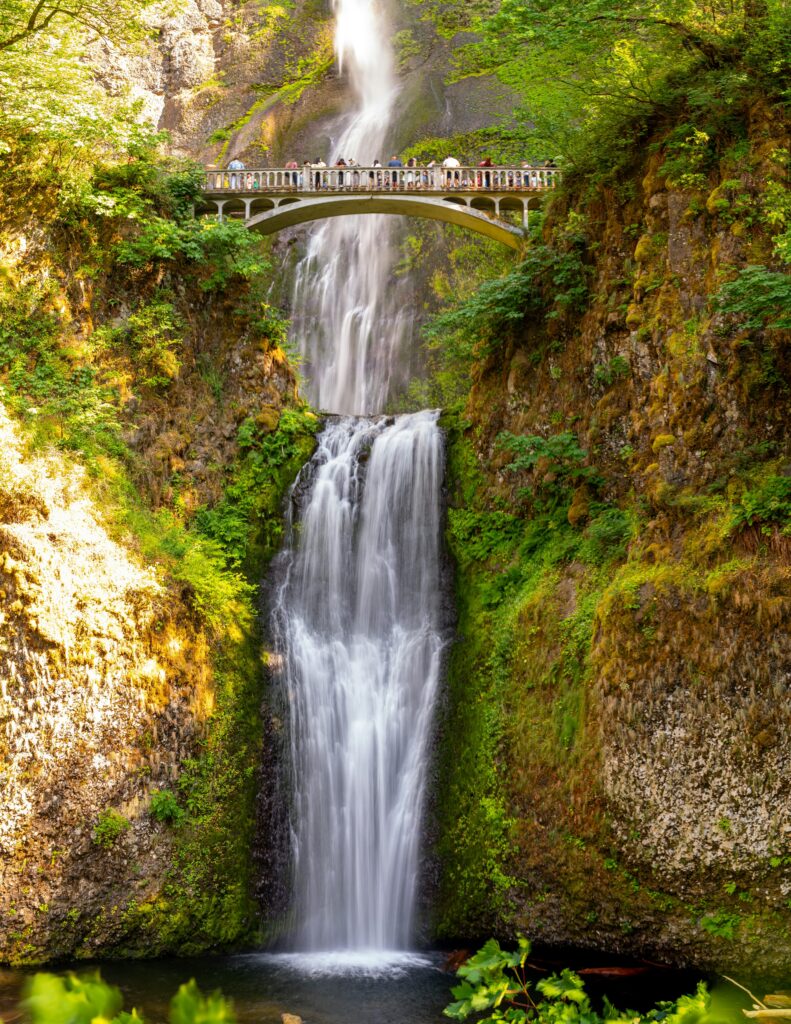
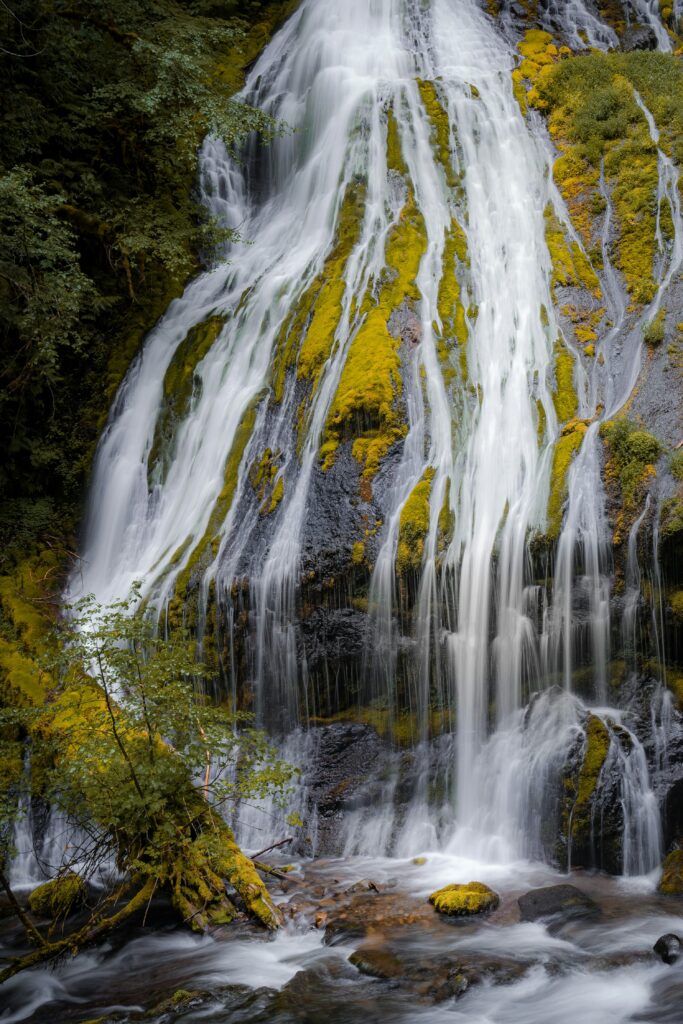
No—but your answer will depend on where you live. Western Oregon experiences a pronounced wet season, so people who struggle with gray skies may find winter difficult. At the same time, rain helps create the lush landscapes the region is famous for. Moss grows across trees and rocks. Ferns cover forest floors. Rivers and waterfalls run through thick evergreen forests.
It is difficult to separate western Oregon’s beauty from the rainfall that produces it. Many residents simply adapt. Waterproof shoes, rain jackets, covered patios, and outdoor activities during light rain become normal parts of life.
Oregon Summers
Summer can be one of Oregon’s most enjoyable seasons.
The state offers seemingly endless opportunities for:
- Camping
- Hiking
- Kayaking
- Fishing
- Mountain biking
- Swimming
- Paddleboarding
- Boating
- Photography
- Road trips
- Wildlife watching
Travel Oregon promotes year-round activities ranging from cycling and kayaking to skiing, rafting, surfing, fishing, and climbing. Summer also brings one increasingly important consideration:
Wildfire Season
Wildfire is part of the reality of living in the western United States, and Oregon is no exception. Wildfires can affect communities directly, while smoke may travel considerable distances and reduce air quality even far from an active fire. Oregon health officials advise residents to monitor air quality during smoke events and reduce smoke exposure when conditions become unhealthy.
Residents in higher-risk areas may also need evacuation plans, emergency supplies, and awareness of local alert systems. Oregon uses a three-level wildfire evacuation system built around Be Ready, Be Set, Go Now. Wildfire risk is therefore something worth researching before purchasing a rural or forested property.
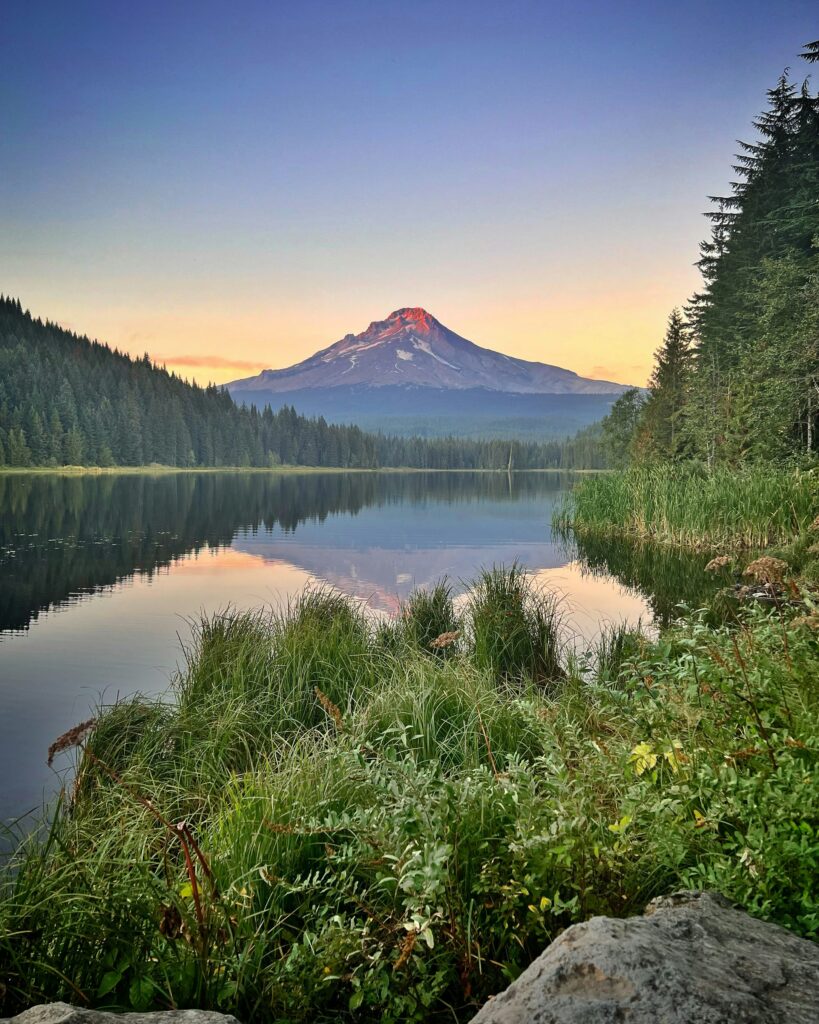
Oregon just doesn’t have that hot and humid weather to get many thunderstorms. We still get them once in a while but not very often. Oregon has many spectacular places to visit and see. It’s an ideal place for outdoorsy people as it has a lot of parks, trails etc. If you are an active person, you can even winter ski on Mount Hood. Silver falls is also an awesome place to visit and go for miles of trails. People also ride on these trails. There are campgrounds, RV parks, everywhere on the Oregon coast, but you have to reserve months in advance, usually. We just cannot wait to go back. We have many very good memories from our time there.
Oregon Coast
The Oregon coast is fairly rural due to the weather and mountainous terrain. There are a few smaller cities and towns, but nothing out there in terms of a major city. The economy is pretty heavily dependent on tourism. Southern Oregon has the big cities of Medford and Ashland, but the area is fairly sparsely populated as there’s not much space in the mountains down there to build anything.
Central/Eastern Oregon- If you want to live in the desert, this is where you should go. Bend is really the only major city on that side of the mountains and is a very expensive place given its isolation from the rest of the state and the size of the city. It’s beautiful though. Outside of that is mainly small towns and empty spaces. Great hiking and outdoor activities are abundant everywhere.
Climate
I’ve traveled all over, and Oregon is my favorite in the country in regards to its climate and overall geography. You won’t have 7 months of possible snow, or 4 months of negative degree wind chill. It’s a very moderate climate, I love every one of them. Summer is usually 70-90 degree high, winters in the 40-50s. Rarely does it snow, and when it does it’s generally gone by the next day. Basically you can dress appropriately and be outside throughout the entire year and not trapped inside for months at a time.
The geography is amazing. If I want snow I can travel an hour up to Mount Hood and play at the snow parks or go skiing. If I want to travel an hour I can also reach the ocean. You have the coast, forests, river gorge, desert. I love exploring all over the Pacific northwest.
Oregon’s best foods are seafood, excellent wine, great craft beer culture, amazing coffee, and fresh fruits/veggies nearly year round. There is no sales tax. Though many complain about the housing. You also get a lot more for your money, here as property taxes are roughly half, than what they are in big cities.
Portland
Portland is hard to get used to. Portland’s probably my least favorite part of Oregon. If you’re coming here for big city type living, Portland will disappoint. People experiencing homelessness is a real issue. There’s also really no good or easy fix for it and makes a lot of urban areas look bad which is disappointing.
Traffic is an issue as well if you are in the Portland Metro area, but it’s no different or worse than anywhere else. Also you have to account for mountains/rivers/large hills which limit how roads can be made. If an accident happens in certain areas, the only way to get around can be a 2 hour detour. Tornadoes/blizzards aren’t an issue here, but they do have other inclement weather scenarios like forest fires and ice storms. I’ve found most people to be incredibly nice both in rural areas and cities.
Oregon is very diverse economically and geographically. Portland may be the biggest city, but if you travel just a bit out of the I-5 corridor, it becomes a very rural state very quickly. The Portland Metro Area is your typical west coast city. It can be rather pretentious at times as a city that wants to be hip. As you travel farther south on the I-5 corridor people are more friendly.
Traffic
As you leave the I-5 corridor or travel East from Portland you enter into an entirely different type of Oregon. Eastern Oregon is more like Idaho than Oregon. It is rugged, isolated. You should keep in mind that your own personal experience will determine if you think Oregon is a friendly place. Overall, I would say Oregonians are friendly.
The weather is generally mild year round. Summers are beautiful and usually last until the beginning part of October. We generally stay in the 70s and 80s from late June till October!
Sunny with a light breeze off the Puget sound! The colors are magnificent all summer and fall! It is usually very green in the fall and winter due to our beloved rain lol! When it’s a nice day, it’s really nice! Luscious green foliage, every color flower you can think of!
The people are very nice, you’ll usually get a hello and a wave and smile when passing someone on the street and people are generally very helpful. People seem genuinely caring! The winters are dark and soaking wet at least 80% of the winter months.
It starts getting bad toward Halloween and lasts until the end of May usually! Traffic is some of the worst In the country, the cost of living is really high and has no cap on rent, meaning landlords can charge as much as they want and some make you pay for water, sewer, garbage, insurance, monthly pet rent, pet fee, unless you have an emotional support dog or service dog.
Outdoor Life in Oregon
If you enjoy being outdoors, Oregon offers an enormous variety of possibilities.
Popular activities include:
- Hiking
- Camping
- Fishing
- Kayaking
- Paddleboarding
- Mountain biking
- Skiing
- Snowboarding
- Snowshoeing
- Surfing
- Rock climbing
- Birdwatching
- Wildlife photography
The state contains coastline, forests, alpine environments, rivers, lakes, volcanic formations, and high desert within one state. And you don’t have to live completely off-grid to enjoy nature. Portland itself contains substantial natural areas, including Forest Park, whose network of trails provides hiking and running opportunities within the city.
That blend of city life and outdoor access is an important part of Oregon’s appeal.
A one bedroom under 720 sq. Feet with washer and dryer in the unit runs around $1,400 and that’s without utilities or insurance! Buying a place used to be way cheaper than renting, I’m sure mortgages will be going up especially where I’m at in the NW. Minimum wage is headed or is at $15.00 per hour in the King County area so lots of people work and commute to Seattle from Snohomish County where it’s cheaper to live.
For someone who enjoys nature, animals, gardening, outdoor space, and a quieter lifestyle, Oregon can be very appealing. The main tradeoffs are relatively expensive housing in many desirable areas, gray/wet winters in western Oregon, and wildfire/smoke risk in parts of the state during summer and early fall.
The Cascade Mountains
The Cascade Range runs through Oregon and has a major influence on both the landscape and climate.
Oregon’s Cascade peaks include:
- Mount Hood
- Mount Jefferson
- Three Sisters
- Mount Bachelor
- Mount McLoughlin
The Three Sisters are three volcanic peaks exceeding 10,000 feet and form one of Central Oregon’s most recognizable mountain landscapes. Mountain recreation includes hiking, climbing, skiing, camping, fishing, and scenic driving. The Cascades also create the dramatic climate divide between wet western Oregon and much drier territory to the east.
Cost of Living in Oregon
The cost of living varies substantially depending on where you live. Portland, Bend, and desirable coastal or resort communities can have very different housing markets from smaller rural towns.
Statewide Census figures for 2020–2024 show a median owner-occupied home value of approximately $477,600 and median gross monthly rent of about $1,525. These are statewide figures, so individual communities may be considerably above or below them. When considering a move to Oregon, compare more than the purchase price of a home.
Consider:
- Rent or mortgage
- Property taxes
- Home insurance
- Electricity
- Heating
- Transportation
- Fuel
- Food
- Health care
- Wildfire insurance concerns
- Commuting distance
Rural living may sometimes provide more property, but it can also introduce additional expenses for wells, septic systems, road maintenance, tree management, generators, and longer driving distances.
Oregon Has No General Sales Tax
One of Oregon’s most distinctive tax features is that the state does not have a general sales or use tax. That means an item with a displayed price of $20 will generally cost $20 at checkout rather than having a state sales tax added. There are exceptions and specific taxes in particular circumstances, including certain vehicle-related taxes.
Oregon does have a state personal income tax, however, so the absence of general sales tax does not mean residents pay no state taxes. Anyone considering relocation should compare their full tax situation rather than looking at only one type of tax.
Wildlife in Oregon
Oregon is also a great state for people who enjoy wildlife.
Depending on where you live or travel, animals may include:
- Black bears
- Elk
- Black-tailed deer
- Mule deer
- Roosevelt elk
- Coyotes
- Bobcats
- Mountain lions
- Beavers
- River otters
- Bald eagles
- Owls
- Hawks
Along the coast, wildlife may include:
- Gray whales
- Sea lions
- Harbor seals
- Seabirds
- Tide-pool creatures
Wild animals sometimes appear close to homes, especially where communities border forests or undeveloped land. Living near wildlife means learning to secure garbage and pet food, supervise pets when necessary, and avoid intentionally feeding wild animals.
Outdoor life is a huge part of Oregon
This is probably one of Oregon’s biggest attractions. Within the state you have the Pacific Ocean, Cascade Mountains, volcanoes, waterfalls, enormous forests, alpine lakes, high desert and rivers. Hiking, camping, fishing, kayaking, skiing, gardening, birdwatching and wildlife photography are all easy to build into everyday life.
And Oregon’s public coastline is particularly special—you don’t have to own beachfront property to enjoy enormous stretches of the coast.
Jobs and Working in Oregon
Oregon’s economy includes a broad range of industries.
Employment opportunities can be found in areas such as:
- Health care
- Education
- Technology
- Manufacturing
- Government
- Construction
- Forestry and wood products
- Agriculture
- Tourism
- Hospitality
- Retail
- Transportation
- Food and beverage production
Employment opportunities depend strongly on location. Someone living in the Portland metropolitan area has access to a different job market than someone living in rural eastern Oregon or a small coastal town.
Oregon’s seasonally adjusted unemployment rate was 5.1% in August 2026, according to the U.S. Bureau of Labor Statistics. Remote workers considering rural Oregon should verify internet and cellular service at the specific property, rather than assuming service will be adequate everywhere.
Living With Dogs and Pets in Oregon
Oregon can be an enjoyable place for people with dogs. There are countless opportunities for walking, hiking, camping, and exploring nature together. But conditions vary depending on location.
Dog owners should consider:
- Wildlife encounters
- Ticks
- Hot summer pavement
- Wildfire smoke
- Cold mountain conditions
- Ocean hazards
- Fast-moving rivers
- Toxic algae advisories
- Rural veterinary access
Rain and mud can also become familiar parts of dog ownership in western Oregon. Anyone considering rural property should also investigate fencing, predators, emergency veterinary services, and wildfire evacuation planning for animals.
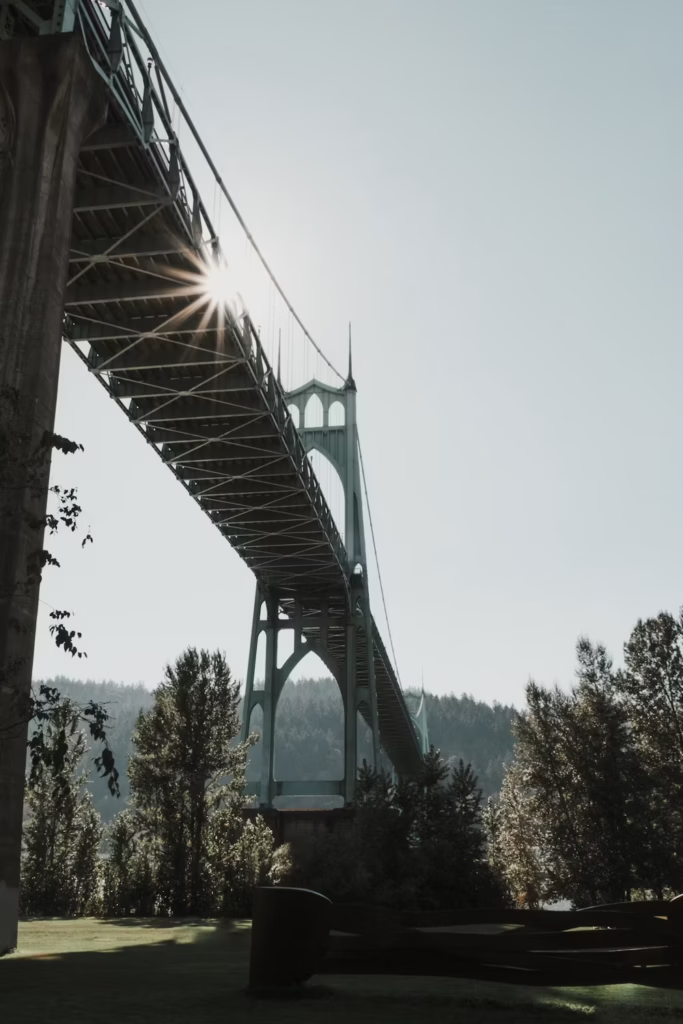
Life in Portland vs. Rural Oregon
One of the biggest mistakes people make when researching Oregon is assuming Portland represents the entire state. It doesn’t.
Portland Area
Portland offers:
- More restaurants and entertainment
- Larger employment markets
- Public transportation
- Arts and cultural activities
- Greater access to specialized services
- Urban neighborhoods
- Nearby forests and outdoor recreation
Rural Oregon
Move farther from major population centers and life may become much quieter.
Rural Oregon can mean:
- Larger properties
- Fewer neighbors
- Farms and ranches
- Forest roads
- Small communities
- Longer drives
- Limited shopping
- Fewer medical specialists
- Greater dependence on a vehicle
Some people find this peaceful. Others may feel isolated.
Small-Town Life in Oregon
- Oregon contains many small towns with personalities shaped by their surroundings.
- A coastal town might revolve around tourism, fishing, and the ocean.
- A Willamette Valley community may be surrounded by farmland and vineyards.
- A Central Oregon town may attract people interested in skiing, hiking, cycling, and outdoor sports.
- An eastern Oregon community may have stronger connections to agriculture, ranching, and wide-open landscapes.
- Small-town life can offer community and a slower pace, but services may be more limited.
- Residents may need to drive to a larger city for specialized medical treatment, major shopping, certain jobs, or air travel.
Driving in Oregon
A car is helpful throughout much of Oregon and essential in many rural areas. Distances can be deceptive.
A route that looks straightforward on a map may involve:
- Mountain passes
- Snow
- Ice
- Forest roads
- Heavy rain
- Coastal fog
- Wildfire closures
Winter driving conditions can vary tremendously across the state. Someone living west of the Cascades may rarely encounter deep snow at home but still need winter-driving skills to cross a mountain pass. Checking conditions before traveling is an important habit.
Advantages of Living in Oregon
For the right person, Oregon has a lot to offer.
- Spectacular natural scenery. Few states combine ocean, mountains, rainforest-like forests, waterfalls, valleys, and desert so closely.
- Outdoor recreation. Hiking, camping, fishing, skiing, kayaking, and photography can become part of everyday life.
- The Oregon Coast. Residents have access to hundreds of miles of publicly accessible coastline.
- No general sales tax. Oregon does not impose a general state sales tax.
- Different lifestyles within one state. You can choose urban, suburban, coastal, forested, mountain, agricultural, or high-desert living.
- Beautiful summers. Much of the state experiences excellent outdoor weather during summer.
Challenges of Living in Oregon
Oregon also has challenges worth considering.
- Housing can be expensive. Particularly in desirable communities and metropolitan areas.
- Gray winters in western Oregon. The extended wet season isn’t for everyone.
- Wildfire and smoke. Fire season can affect both rural and urban residents. Oregon
- Earthquake preparedness. The Pacific Northwest has natural-hazard risks that residents should understand.
- Long distances in rural areas. Medical care, shopping, and other services can require significant driving.
- Regional differences. Someone who loves Portland may not enjoy eastern Oregon, and someone seeking rural solitude may not enjoy Portland.
Researching the exact community matters far more than simply deciding that you like “Oregon.”
Who Might Enjoy Living in Oregon?
Oregon may particularly appeal to people who love:
- Forests
- Mountains
- Wildlife
- Photography
- Hiking
- Camping
- Ocean beaches
- Small towns
- Gardening
- Fishing
- Kayaking
- Skiing
- Road trips
- Rural living
- Four-season scenery
- A strong connection with nature
It is especially appealing if you enjoy exploring. You could spend years living in Oregon and still discover completely different environments within your own state.
Is Oregon a Good Place to Live?
There is no universal answer because Oregon offers so many different ways of living. Someone seeking restaurants, entertainment, employment opportunities, and city conveniences might prefer the Portland region. The important thing is understanding that Oregon is much more than rainy Portland. It is ocean and desert.
Forest and farmland. Mountains and valleys. Busy cities and tiny communities. Rainy winters and dry summers. For people who feel most at home surrounded by nature, Oregon’s greatest attraction may be how easily the outdoors becomes woven into everyday life.
Whether it is walking beneath towering evergreens, watching waves crash against the Oregon Coast, photographing wildlife, exploring a mountain trail, or watching the sun disappear behind the Cascades, life in Oregon is deeply connected to the landscape.