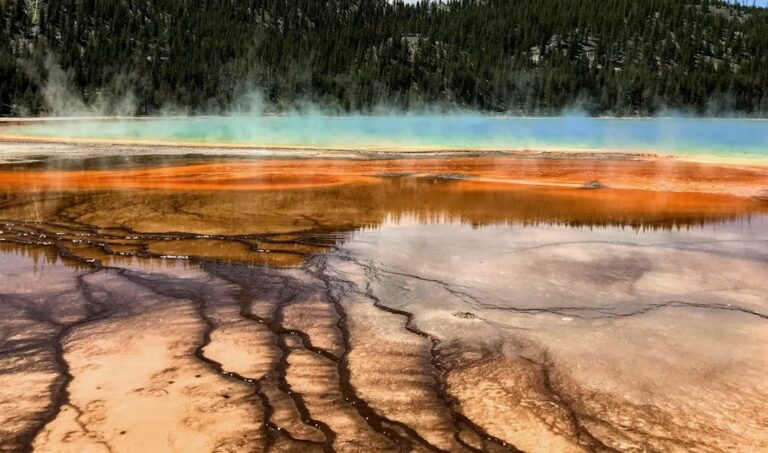
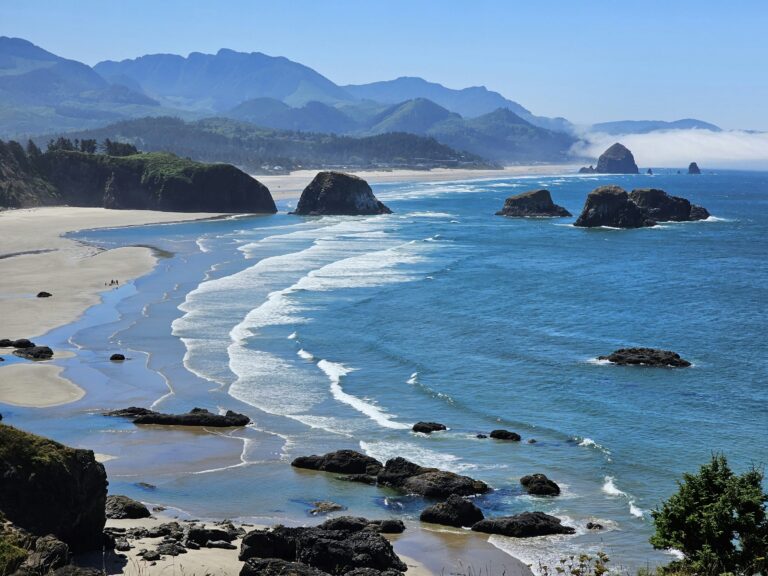
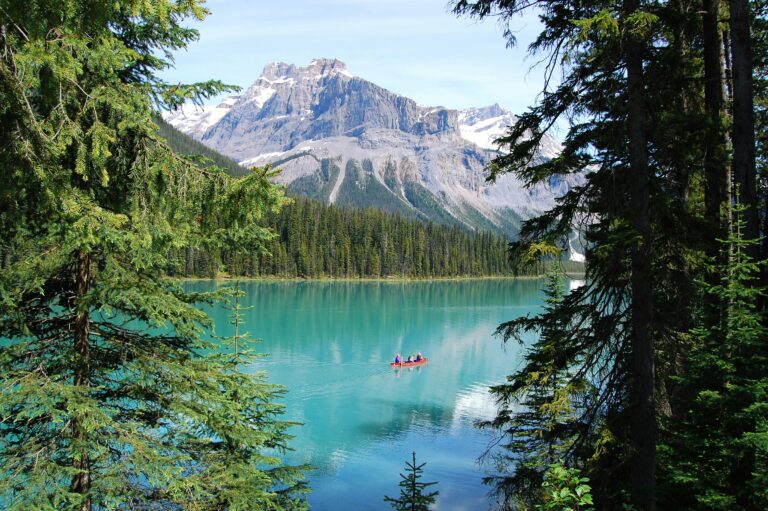
You see stunning videos and pictures on Facebook, google, Youtube, you have this idea that Alaska looks like heaven, and want to move here. Let me snap you back into reality for a moment. That video of how great Alaska is, on social media, is actually NOT an accurate picture of what life is here. It is not all daisies and roses. This is the state that truly supports the meaning of. This place is not for everyone.
Visitors still expect Alaskans living in igloos, (Just like people think of Canadians as well!) Many are surprised that daily life for most Alaskans is much like the Lower 48. Some Alaskans choose an isolated and independent life, in backwoods homesteads. But most live in modern homes, drive cars, watch television, shop in stores, go to restaurants.
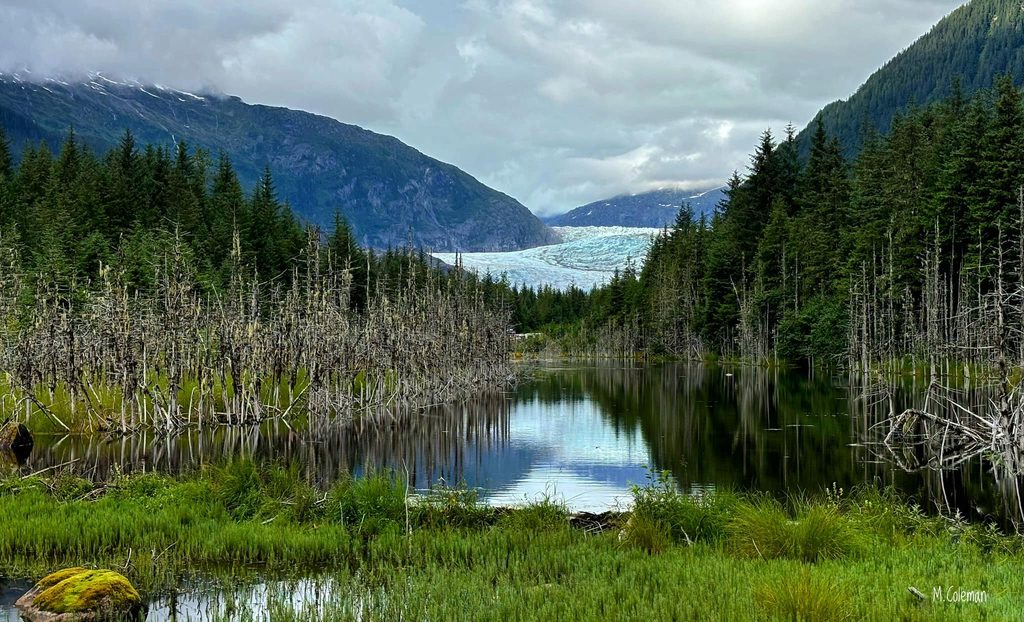
Alaska is unlike anywhere else in the United States. Towering mountains, enormous glaciers, wild rivers, boreal forests, Arctic tundra, rugged coastlines, and abundant wildlife create a landscape that can feel almost untouched.
But life in Alaska is about much more than beautiful scenery.
What Is Life in Alaska Like?
Life in Alaska can be adventurous, peaceful, challenging, and incredibly rewarding. Many residents live in modern cities and suburban communities with supermarkets, restaurants, schools, hospitals, entertainment, and other services you would expect elsewhere in the United States. Drive beyond those communities, however, and the landscape changes quickly.
Forests, mountains, rivers, lakes, tundra, glaciers, and vast stretches of wilderness dominate much of the state. Outdoor recreation becomes part of everyday life for many Alaskans.
Popular activities include:
- Hiking
- Fishing
- Hunting
- Camping
- Kayaking
- Wildlife watching
- Photography
- Skiing
- Snowboarding
- Snowshoeing
- Snowmachining
- Dog mushing
- Boating
Alaska’s enormous size also means lifestyle, climate, transportation, and culture differ dramatically from one region to another.
The Different Regions of Alaska
Understanding Alaska begins with understanding its regions.
Southcentral Alaska
Southcentral Alaska contains Anchorage and communities such as Palmer, Wasilla, Girdwood, Kenai, Soldotna, Seward, and Homer. It combines relatively easy access to services with spectacular wilderness. Mountains dominate much of the landscape, while residents have access to hiking, fishing, skiing, lakes, rivers, and coastal recreation.
Anchorage offers the state’s largest urban environment, while nearby communities provide smaller-town or more rural lifestyles.
Alaska’s larger communities have fast food restaurants, theaters, recreation facilities, modern health care facilities, and the usual city conveniences. Art galleries, museums, concerts, and live theaters, and a statewide university system, also contribute to our lives. Satellites, telephone service, and television are even in the most isolated villages.
During my time in Alaska, I also lived in Palmer and Wasilla. I would say I really like Palmer. Palmer is located at the bottom of a “Bowl” which traps air, and makes it a very windy place. Palmer is beautiful with amazing landscapes, and very friendly people. It’s small, it is a farming community and has a lot of fun things to do. It is also host to the state fair, every year, and a very nice Christmas lights show, during the winter. Palmer can get cold during the winter but it’s not that cold. They also get a lot of snow, and let’s not forget that we get spectacular auroras, as well every winter !
This spectacle of lights is a once in a lifetime, must see event. It’s absolutely gorgeous and breathtaking. Fun fact, people cannot see colors in Auroras. You can only see them from your camera, in pictures or videos, because our eyes cannot detect the colors. So for most people, they appear as a faint gray, flashing in the night sky. Some people can detect the greenish hue, but it is very faint.
If you live in the valley It’s not too bad, there are a lot of things to do and places to go. My husband and I commute to Anchorage to go to our favorite restaurant. Anchorage has a variety of restaurants to try. The valley has a lot of places to see and there is a lot of fishing, hiking, biking as well. We see moose often, hawks, magpie, raven, foxes, lynx, porcupines are not uncommon. There are also a lot of black bears around Anchorage, and brown bears, especially on the coast and Kenai peninsula. There are also a lot of lakes, mountains, trails and scenery, to take amazing pictures.
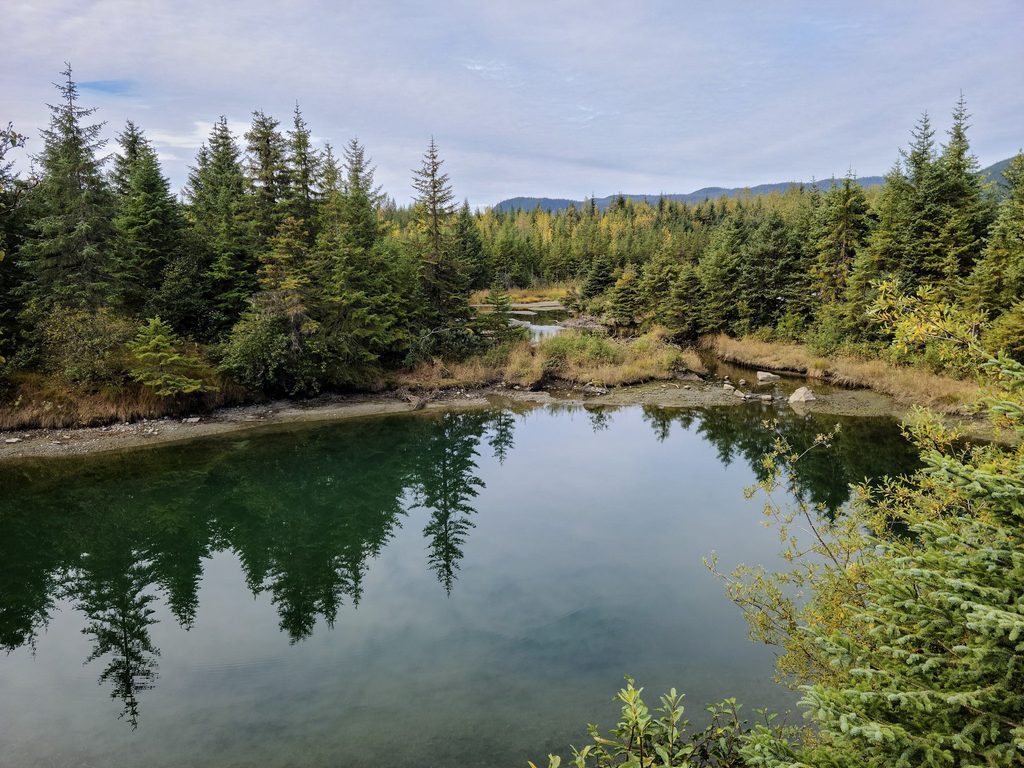
Anchorage
Anchorage provides the closest thing Alaska has to a large American city.
Residents have access to major stores, hospitals, restaurants, entertainment, schools, an international airport, and other urban services.
Yet wilderness remains remarkably close. Mountains rise beside the city, moose regularly appear in neighborhoods, and hiking trails can be reached without traveling very far. For someone who wants access to wilderness without giving up most urban conveniences, Anchorage offers an unusual balance.
Interior Alaska
Fairbanks is the major population center of Interior Alaska. The Interior experiences some of Alaska’s greatest seasonal extremes.
Summers can become surprisingly warm, while winter temperatures can fall far below zero. Travel Alaska notes that Fairbanks can average temperatures below zero during parts of winter while summer highs frequently reach into the 70s.
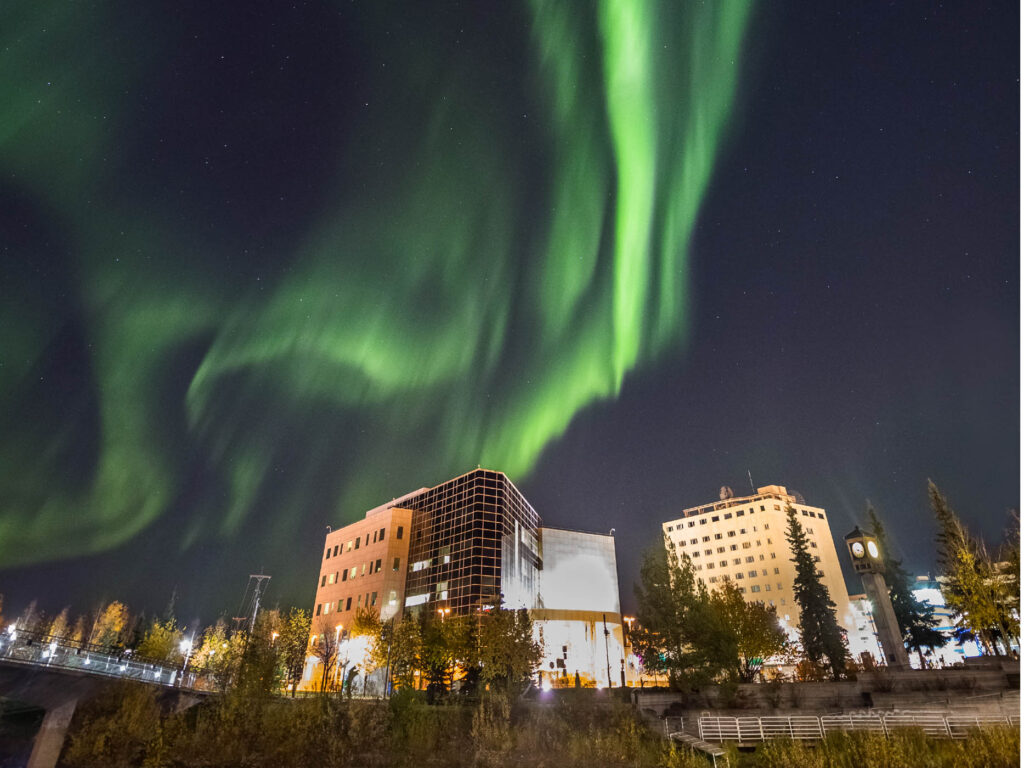
The Interior is also one of Alaska’s best-known regions for viewing the aurora borealis.Fairbanks Fairbanks offers a very different lifestyle. Winters are colder and summers can be warmer than many newcomers expect. The city is surrounded by Interior forests, rivers, and wilderness.
It is also one of America’s most famous destinations for northern-lights viewing. Fairbanks may particularly appeal to people fascinated by cold-weather living, northern landscapes, long summer days, and winter recreation.
Southeast Alaska
Southeast Alaska includes Juneau, Ketchikan, Sitka, Petersburg, Wrangell, and numerous smaller communities. This region has a very different environment from Interior Alaska. Temperate rainforests, islands, mountains, glaciers, and ocean channels dominate the landscape.
The climate is generally milder and wetter than the Interior. Many Southeast communities are not connected to Alaska’s main highway system, making ferries and airplanes particularly important.
We lived in Sitka for a while. Located on Sitka Sound, the city of about 8,500 residents is known for its Tlingit culture and picturesque remnants of its Russian heritage. Sitka was really pretty, but it’s not a place I would live all year. Maybe to visit, but even at that, I just don’t see the appeal. There are other places in Alaska I would visit before I go to Sitka, which is also out of the way.
First, you are stuck on an island. Island means that everything has to be imported, food, fuel etc., which makes everything super expensive. Rent, food, fuel and everything else is really expensive. We were paying 2000$ a month on renting a house, which is not even that bad for Sitka, and groceries are about almost 1800$ a month, if you want to cook decent meals.
If you want land with your house, or a nice backyard with your rental, good luck. Most places have tiny backyards, and a lot of them are not fenced as well, because what’s the point ? Sitka has a lot of brown bears and the bears will just destroy your fence anyway. So you get a lot of loose dogs everywhere.
You won’t find stores, boutiques, where you can just buy clothes like at Guess, Under Armor, TJ Maxx, Foot locker, Fred Meyer. You do have some used stores, where they still sell used clothing at outrageous prices.
Most people there just order what they need online, it’s a lot cheaper. I wasn’t impressed at all with the restaurants there, which are also expensive. My husband and his mother usually went to the Nugget Restaurant at the airport. It was cheap and it was okay food. It felt like eating at Shari’s.
Most people in Sitka are friendly. Sitka is only accessible by boat or plane, as it is on a pair of islands, in the Pacific Ocean. Vehicles are usually brought to Sitka, via the Alaska Marine Highway ferry system, or the barge, for a couple thousand dollars. However, a vehicle is not an absolute necessity in Sitka, as there are only 14 miles of roads, from one end of the island, to the other. Almost everything is within walking distance, from the downtown area, which is where the majority of employers are situated. Public transportation is also available. Sitka is about a 25 minute flight from Juneau, so a lot of people also go to Juneau, just to get a change of scenery and shopping.
Sitka has some spectacular scenery. I took many pictures while I was there. It’s very pretty, In my opinion to visit, but not a place to live year around for sure. My husband and I love to drive to different places, to relax, and just enjoy ourselves. Sitka is also a place where it rains a lot, it’s very humid ! It can be very depressing to live there, as it is almost one of the rainiest places on the pacific coast. In the winter, days are short, rainy, cloudy, foggy. Sitka does get snow from time to time, but it doesn’t stay long and it’s not much. Unless you were born there, it’s not an easy place to adapt and certainly not cheap. There is a lot of wildlife, like brown bear, bald eagle, ravens, the salmon run, Sitka deer, minks, and a large diversity of birds.
I also lived in Juneau for 2 months in the winter. Juneau is absolutely spectacular and a place I would love to live. But then again, it can be expensive to live there as well, but a lot less than Sitka. It is nestled in the mountains, and there are no roads in or out.
They get a lot of snow in the winter. Juneau is absolutely beautiful, with very friendly people, a lot of shops, restaurants and things to do. It is the capital of Alaska. Juneau has about 32,255 residents. Juneau, Alaska, shares its eastern border with the Canadian province of British Columbia. It is the only U.S. state capital to border another country.
I stayed at a motel for around 350$ a week, and I really enjoyed my two months in Juneau, while I was there, even though it was really cold, with a lot of snow. Juneau has many outdoor activities such as whale watching, biking, hiking, fishing, just to name a few. The Mendenhall Glacier is a popular Juneau attraction. You cannot visit Juneau, and not see this magnificent glacier. It was also home to the popular wolf Romeo, who used to hang out with people’s dogs, during winter time.
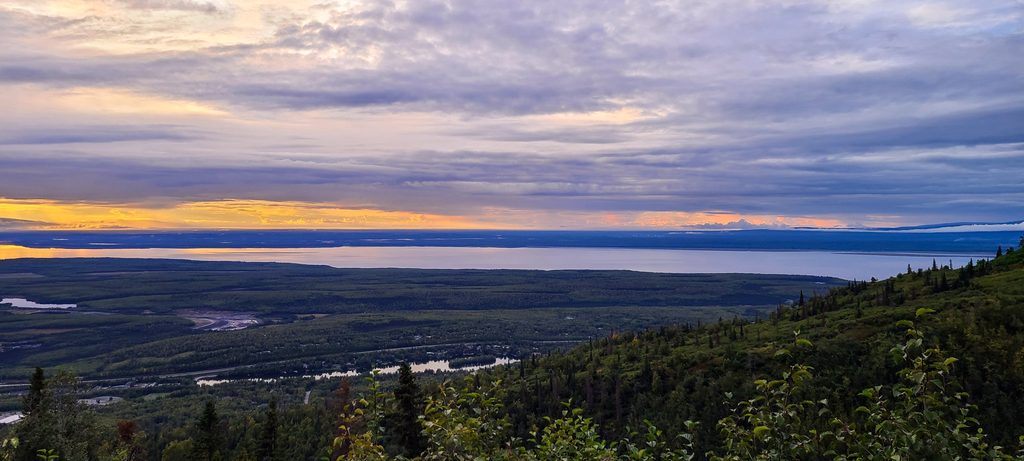
Juneau
Juneau combines government, coastal living, mountains, glaciers, and rainforest.The city is surrounded by dramatic scenery, with mountains rising directly behind developed areas. Its isolation from the main road system makes life different from Anchorage or Fairbanks. Boats and aircraft play a much greater role in transportation.
Southwest Alaska
Southwest Alaska includes Kodiak, Bristol Bay, the Alaska Peninsula, the Aleutian Islands, and many remote communities. Fishing and the ocean play major roles in life throughout much of this region. Kodiak Island is particularly famous for its enormous brown bears and rugged coastal landscapes.
Arctic Alaska
Alaska’s Arctic is among the most remote parts of the state. Tundra, Arctic coastline, the Brooks Range, and vast protected wilderness areas characterize the region.
Wildlife can include caribou, muskoxen, Arctic foxes, wolves, migratory birds, and polar bears in appropriate coastal areas. Many communities in northern and western Alaska also maintain strong Alaska Native cultural traditions and relationships with the land and subsistence foods.
Living here means adapting to dramatic changes in daylight, long winters, remote distances, wildlife encounters, higher prices for certain goods, and a lifestyle that often requires more planning and self-reliance than life in the Lower 48. At the same time, Alaska offers something increasingly difficult to find: space, wilderness, adventure, and an extraordinary connection to the natural world.
For anyone considering moving to Alaska—or simply wondering what living in Alaska is really like—here is a closer look at everyday life in the Last Frontier.
Alaska Native Cultures
Alaska has been home to Indigenous peoples for thousands of years and peoples include many distinct cultures and language groups, including Iñupiat, Yup’ik, Cup’ik, Unangax̂, Sugpiaq/Alutiiq, Tlingit, Haida, Tsimshian, Athabascan peoples, and others.
Each has its own traditions, history, art, foods, languages, and relationship with the land and water. In many rural communities, fishing, hunting, gathering, and sharing traditional foods continue to be important parts of community and cultural life. Understanding Alaska means recognizing that Alaska Native cultures are not simply part of the state’s past—they remain a vital part of Alaska today.
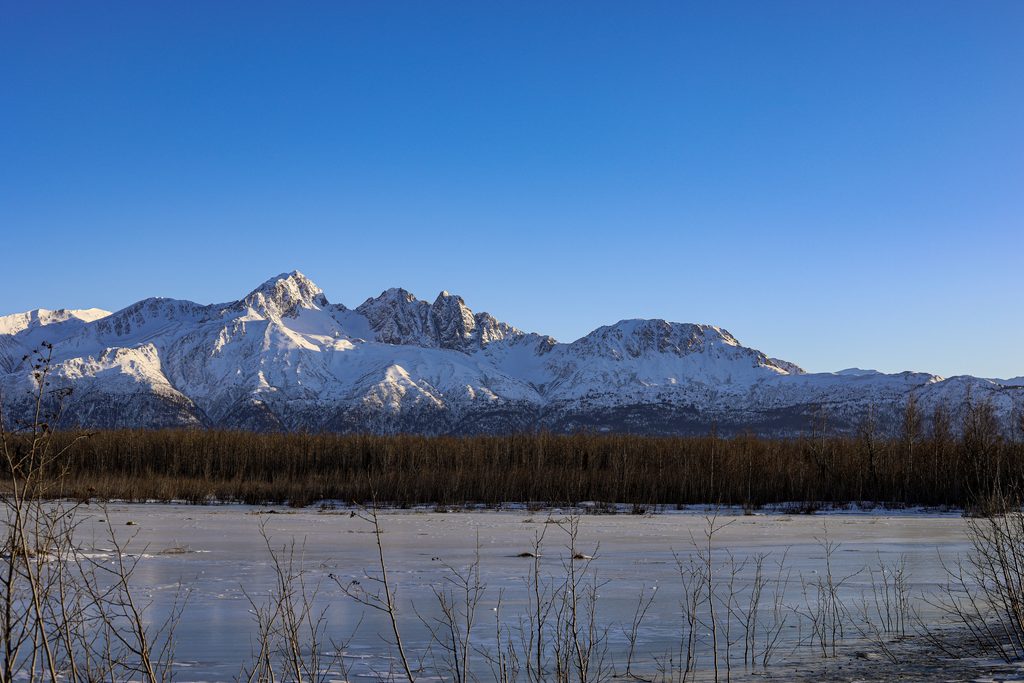
Rural Life in Alaska
Rural Alaska can offer extraordinary beauty and quiet. But isolation changes nearly every aspect of daily life. A trip to the grocery store might require much more planning.
Internet service may be limited. Healthcare can be farther away. Shipping can be expensive. Weather can delay transportation. Services taken for granted elsewhere may simply not exist nearby. Living remotely can therefore require flexibility, practical skills, preparation, and independence.
Alaska’s Long Winters
Winter is one of the defining realities of living in Alaska. Exactly what winter means depends greatly on location. Coastal Southeast Alaska can be relatively mild and wet compared with the Interior, where temperatures can fall below -30°F during cold periods. Winter preparation becomes part of ordinary life.
Depending on where you live, that can mean:
- Installing winter tires
- Keeping emergency supplies in your vehicle
- Shoveling snow
- Using a snowblower or plow
- Maintaining heating systems
- Plugging in vehicles during severe cold
- Wearing insulated boots and winter clothing
- Preparing for icy roads
- Keeping extra food and household supplies
For newcomers, winter can initially feel overwhelming. For many longtime Alaskans, however, winter is simply another season to enjoy. Skiing, snowshoeing, dog mushing, snowmachining, ice fishing, and northern-lights viewing can turn the colder months into some of the most memorable times of year.
This is the big drawback to anyone moving here, who doesn’t like very short, cold winter days. You will absolutely need a vitamin D3 supplement, if you live here, especially in the winter. (If you live anywhere on the pacific coast, Vitamin D3 is a must, during the winter anyway. It’s always overcast.)
You will also have to put up with a lot of people, who don’t know how to drive properly, in the winter. The roads are icy, black ice is common, it snows A LOT, it’s dark almost all the time. A lot of people seem to always be in a rush, especially in the valley. They drive from Anchorage to Wasilla, or Wasilla to Anchorage, like it is a race. Cars in the ditch, on the way from Wasilla to Anchorage, is a very common occurrence here. There are at least a dozen of them every day, in the wintertime. You have to avoid bad drivers, but also Mooses, who come down in the valley, to look for food.
Your heating bill will be outrageous, it’s expensive to live here. The gas price is ridiculous. We spend at least, almost 500$ on fuel every month, for commuting to work. Groceries are about 1200$ a month, for 2 people, and we just buy the usual, and basics. Meat is very expensive. It’s hard to find a good reliable car that still drives for 1000$, 1500$. People try to sell cars that need new engines, or super expensive repairs for 3000$. Used car dealerships seem to only sell cars that are no older than 4 years old.
We do see a lot of these big guys, moose, in the winter. Unfortunately people can’t seem to see them and they get hit a lot on the main highway, toward Anchorage. Winter is probably the biggest adjustment for newcomers.
The experience depends enormously on location. Coastal Alaska has relatively moderated temperatures, while Interior Alaska has much greater temperature extremes and very cold winters. The farther north you travel, the more dramatic the seasonal daylight changes become.
Darkness in Winter
The cold is only part of an Alaskan winter. Daylight changes can be equally surprising. The farther north you travel, the more dramatic the difference becomes.
Anchorage experiences short winter days but still receives daylight every day. Farther north, the change is much more extreme. In Utqiaġvik, above the Arctic Circle, the sun remains below the horizon for part of the winter before returning in January.
Adjusting to limited daylight can take time. Many residents deliberately spend time outdoors during daylight hours, stay physically active, and make their homes comfortable and bright during the darker months.
For example, around the beginning of December, Anchorage receives roughly 6 hours of daylight, while Fairbanks receives under 5 hours. In summer the situation reverses: around early summer, Anchorage approaches 19 hours of daylight and Fairbanks exceeds 20 hours.
The darkness bothers some people more than the cold. A good winter routine—getting outside, exercising, having hobbies and maintaining a social life—can make a major difference.
For a lot of people, The cold winters make you not want to go outside. -40 hurts your face, it stings. I don’t know how your eyeballs don’t freeze. Where I live, people know each other and wave as they drive down the road.
Dependent on the outside world. If we were unable to get the things that are shipped in (food, fuel, household goods, machines) we might be in big trouble. We heat our houses with heating oil, we eat food shipped in, we don’t make our own clothes. If the airplanes stopped landing here and the barges stopped bringing us stuff, what would we do? There is no road leading us back to the rest of the world.
Summer and the Midnight Sun
Then Alaska transforms. Long summer days replace winter darkness. Flowers bloom, rivers open, migrating birds return, wildlife becomes active, gardens grow quickly, and Alaskans seem determined to fit as much life as possible into the short summer season.
Fairbanks experiences extraordinarily long summer daylight, while Anchorage can receive more than 19 hours of direct sunlight around the summer solstice. Those long days can mean hiking after dinner, fishing late at night, working on outdoor projects until surprisingly late hours, or simply sitting outside and realizing that it is nearly midnight.
Blackout curtains become extremely useful for anyone who needs darkness to sleep.
Wildfires and rain are the two most serious threats to the most wonderful summers you can imagine. However, most years there are times when you wish the winds would change direction and blow the smell and smoke the other way. Again, Alaska is huge (in the interior) and can burn a forest the size of a state in the lower 48 and still have fuel for another big fire the next year, which can flare up from fires of the previous year.
Many roads are gravel/dirt. If we get a rainy summer, it’s the shits. The main roads are paved, but with their own problems with “frost heaves”. Puddles of water form and freeze under all roads and then thaw in the spring. Results vary, but this is usually the biggest headache when it comes to roads.
The daylight thing can be hard for people too;(think really long days in the summer and super short days in the winter) It can be hard to adapt. Honestly, it can be as difficult waiting for the sun to rise at 10:30 AM in December as it is waiting until 3:30 AM for it to go down in June. Alaska can also be a challenging place to meet people because the place tends to be so transient. If you decide to move up here you really should consider driving it.
Alaska is a place where people love the outdoors. There are national corporate chains that are opening here all of the time. We now have a Cabella’s, and a Bass Pro Shops . Additionally, we have a lot of restaurants in Anchorage that range from family to fantastic. Hard Rock Café, Texas RoadHouse etc. for chains and a bunch of quirky Alaska stuff, and fine dining options.
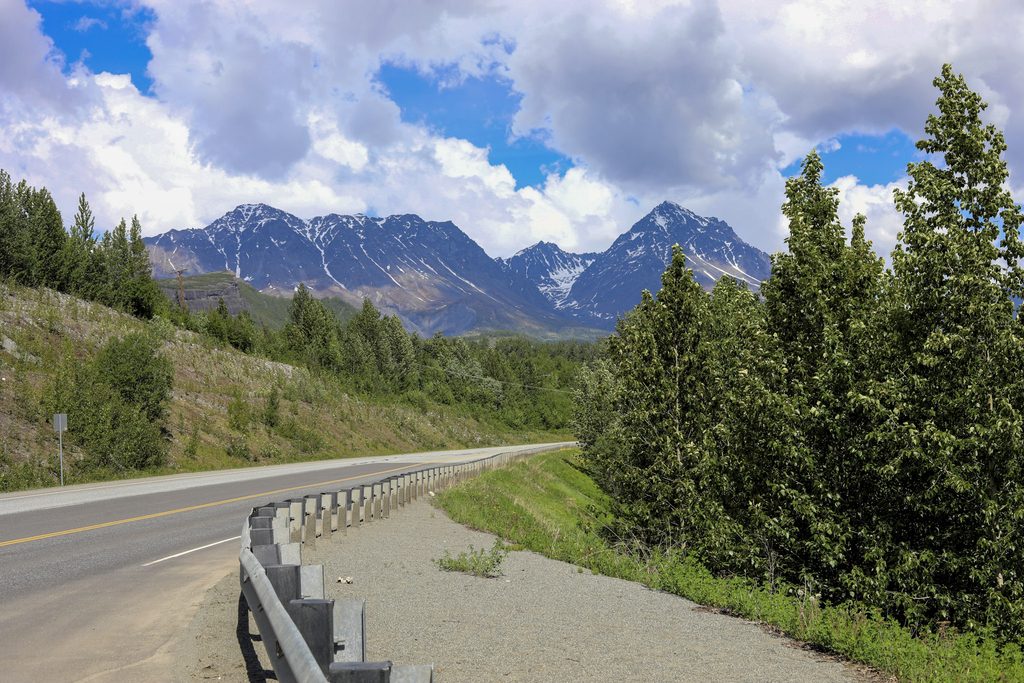
Alaska’s Short but Beautiful Fall
Autumn arrives quickly.
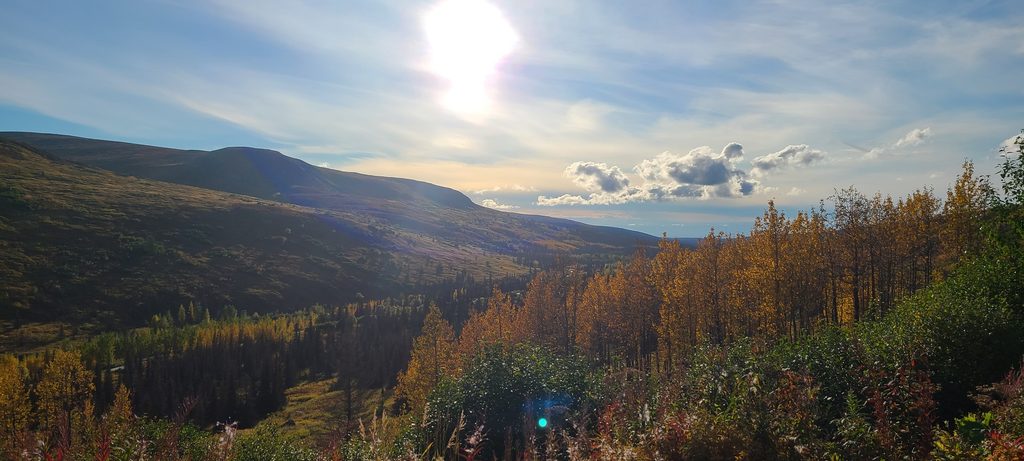
Leaves turn brilliant shades of yellow and gold, tundra vegetation can become deep red and orange, temperatures fall, and the first snow begins appearing in higher elevations. The season can be spectacular—but brief. In some areas, the transition between summer and winter seems to happen remarkably fast.
Spring in Alaska
Spring is equally dramatic. Snow begins melting, rivers and lakes break apart, migrating birds return, and daylight increases rapidly. But spring also creates mud. Alaskans sometimes informally call this period breakup, when snow and ice disappear and frozen ground begins thawing.
It may not be Alaska’s most beautiful season, but seeing the landscape come alive after a long winter is impressive.
This is a cool place that’s very unique in its place in the world. It’s not only wondrous because of its breathtaking beauty, but also its cultural diversity. Remember that no place is perfect, and we have our share of problems here for sure. This year, 2023 we almost have had no summer.
It was very short, rainy, colder and that just did it for me and my husband. I always wanted to go back to Oregon, and that is where I will retire, i really like and appreciate my experience of living in Alaska, for the time I was here. I have been fortunate enough to have lived in a lot of amazing places, and Alaska truly is one of them, but in the summertime ! That means I would love to be able to come here for vacation, for in the summer, but the winters are just too hard for me.
Housing in Alaska
Housing varies enormously. You can find everything from downtown Anchorage apartments to suburban homes, cabins, homesteads, coastal houses, and remote properties accessible only by boat, snowmachine, or aircraft. Homes in colder areas require reliable heating.
Common heating options may include:
- Natural gas
- Heating oil
- Propane
- Wood
- Electricity
- Pellet stoves
Good insulation becomes extremely important. A beautiful remote cabin can sound romantic, but practical questions matter:
- How will you heat it? Where does the water come from? Is there a septic system? Who maintains the road?
- How far away is the nearest grocery store?
- Will emergency services be available quickly?
Remote living requires preparation.
Cost of living
This is one of Alaska’s biggest disadvantages.
Alaska Department of Labor data show that in 2025 overall living costs were approximately 31.7% above the national urban average in Juneau, 25.5% higher in Anchorage and 22.9% higher in Fairbanks. Groceries and health care are especially expensive, while Fairbanks also faces unusually high utility costs.
Shipping distance is a major reason many goods cost more. The difference becomes much more extreme in communities where groceries and supplies have to arrive by air or boat. There are tax advantages, however. Alaska has no personal state income tax and no statewide sales tax, although many municipalities levy local sales taxes.
Eligible residents may also receive the Permanent Fund Dividend (PFD). Eligibility generally requires Alaska residency for the entire preceding calendar year as well as meeting One of the realities of living in Alaska is that some expenses can be higher than they are in many parts of the Lower 48.
Shipping distance affects the cost of groceries, construction materials, vehicles, furniture, fuel, and other goods. The difference becomes especially significant in remote communities. Alaska’s Department of Labor has found that costs generally rise as communities become smaller and harder to access, with shipping playing a major role in rural expenses.
Housing costs also vary considerably. Anchorage, Fairbanks, Juneau, the Mat-Su Valley, Kenai Peninsula communities, and remote Alaska can all have very different housing markets. Anyone considering moving should investigate the specific community rather than relying on a statewide estimate.additional residency rules.
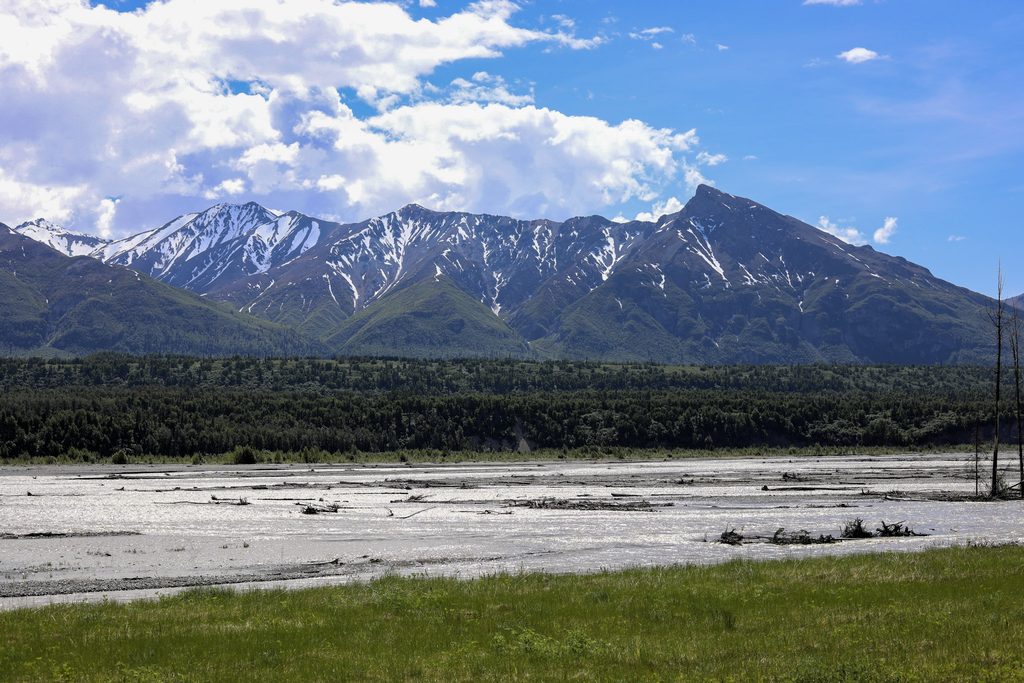
The Alaska Permanent Fund Dividend
Another unusual aspect of Alaska residency is the Permanent Fund Dividend, commonly called the PFD. Eligible Alaska residents can receive an annual payment connected to the state’s Permanent Fund. Receiving the PFD is not automatic simply because someone moves to Alaska. Residency and other eligibility requirements must be met, and residents apply each year. The amount can change from year to year.
Working in Alaska
Alaska’s economy includes a wide range of industries.
Important employment sectors include:
- Healthcare
- Transportation
- Construction
- Oil and gas
- Government
- Education
- Tourism
- Fishing and seafood
- Retail
- Mining
- Aviation
Seasonal employment is also significant.
The state’s August 2026 employment figures illustrate Alaska’s distinctive mix: transportation and utilities, oil and gas, healthcare, seafood processing, construction, government, and hospitality all remain important parts of the employment picture.
Some jobs are highly seasonal, with considerably more work available during summer. Alaska’s economy is unusual. Major employment sectors include health care, oil and gas, construction, transportation, government, tourism, mining, military-related activity and seafood.
For 2026, the Alaska Department of Labor forecast about 3,000 additional statewide jobs, or roughly 0.9% employment growth, with particularly notable gains expected in oil and gas, health care, construction and transportation.
Wages can be relatively good in some occupations, but the higher cost of housing, food, utilities and travel needs to be considered alongside the paycheck. Juneau, for perspective, had only about 31,600 residents in 2025, illustrating how quickly Alaska transitions from its relatively urban centers to very small communities.
Taxes in Alaska
Alaska’s tax structure is unusual. The state currently has no statewide general sales tax and no personal state income tax, although some cities and boroughs levy local sales taxes and property taxes. That does not necessarily mean Alaska is inexpensive. Housing, utilities, heating, groceries, transportation, healthcare, and shipping costs can offset some of those tax advantages.
Wildlife
Wildlife in Alaska Wildlife is one of the extraordinary parts of living in Alaska.
Depending on where you live, animals may include:
- Moose
- Black bears
- Brown bears
- Wolves
- Coyotes
- Caribou
- Dall sheep
- Mountain goats
- Foxes
- Lynx
- Porcupines
- Beavers
- Bald eagles
- Ravens
- Owls
- Sea otters
- Seals
- Sea lions
- Humpback whales
- Orcas
But wildlife should never be confused with tame animals. Moose can be particularly dangerous when protecting calves or when stressed during winter. Bears require awareness and proper food and garbage storage. Giving wild animals adequate space protects both people and wildlife.
For photographers, Alaska provides incredible opportunities, but the welfare of the animal should always come before getting closer for a photograph.
Northern Lights in Alaska
Few natural experiences are as closely associated with Alaska as the aurora borealis. The northern lights can produce curtains and waves of green, purple, red, and other colors across the night sky.
Darkness is necessary, so Alaska’s aurora-viewing season generally extends from late August through April. Interior and Arctic Alaska offer particularly good viewing opportunities because of their northern locations and dark winter skies. Seeing the aurora dancing above snow-covered mountains or forests is an experience that photographs rarely capture completely.
Transportation in Alaska
Alaska’s size creates transportation challenges that surprise many newcomers. Not every community is connected by road. Anchorage, Fairbanks, the Mat-Su Valley, and much of the Kenai Peninsula are connected through Alaska’s highway system.
Other communities depend heavily on airplanes, boats, and ferries. Even the state capital, Juneau, cannot be reached from the rest of Alaska by a conventional road connection. In remote Alaska, small aircraft are not simply recreational transportation. They can be an essential connection between communities.
The Outdoor Lifestyle
For people who love nature, living in Alaska can be difficult to match.
A weekend might involve hiking through the mountains, photographing moose, fishing for salmon, kayaking along the coast, exploring glaciers, watching whales, camping beside a river, or simply driving somewhere beautiful.
And you do not necessarily need to travel hundreds of miles. In many communities, wilderness begins almost immediately beyond town. That accessibility to nature is one of the reasons many people fall in love with Alaska.
Challenges of Living in Alaska
Alaska isn’t for everyone.
Some of the challenges include:
- Long winters
- Limited winter daylight
- Higher costs for certain goods
- Expensive travel
- Large distances
- Dangerous driving conditions
- Wildlife encounters
- Remote communities
- Limited services in some areas
- Short growing seasons
- Bugs during parts of summer
- Wildfire smoke in some regions and years
- Isolation from family living in the Lower 48
Flights to visit relatives can become expensive. A simple road trip can involve hundreds of miles. Winter preparation takes time and money. These are important considerations for anyone dreaming about moving north.
Advantages of Living in Alaska
For the right person, those challenges come with extraordinary rewards.
Alaska offers:
- Spectacular wilderness
- Abundant wildlife
- Incredible photography opportunities
- Mountains and glaciers
- Fishing and outdoor recreation
- Northern lights
- Midnight sun
- Less crowding in many areas
- Strong local communities
- Unique cultures
- Opportunities for adventure
Perhaps most importantly, Alaska can change your relationship with nature.
- Weather matters.
- Daylight matters.
- Wildlife matters.
- Seasons matter.
The natural world becomes something you live alongside rather than something you simply visit.
Is Alaska a Good Place to Live?
That depends greatly on the person. Someone who needs warm weather, extensive public transportation, short travel distances, and the conveniences of a large metropolitan area may find Alaska challenging. Someone who loves wilderness, wildlife, mountains, independence, winter, photography, fishing, hiking, and adventure may find it difficult to imagine living anywhere else.
Visiting Alaska during summer alone also does not completely reveal what living here is like. Anyone seriously considering moving should research the community carefully and understand what winter will bring. Alaska in July and Alaska in January can feel like two entirely different worlds.
Final Thoughts on Life in Alaska
Life in Alaska is filled with contrasts. Winter darkness eventually gives way to nearly endless summer daylight. Extreme cold gives way to surprisingly warm afternoons. Modern cities exist beside enormous wilderness areas.
A moose might walk through a neighborhood while mountains rise behind the houses. You can watch the northern lights dance across the sky in winter and still be outside under daylight late into the evening a few months later. Alaska can be beautiful, harsh, peaceful, unpredictable, expensive, challenging, and unforgettable—sometimes all at once. For people who develop a connection with this place, Alaska becomes more than somewhere they live.
It becomes a way of life.