I discovered her amazing story on Geobeats animals and I suggest you take a look at it as well. This is the story of Toni, an amazing woman who lives in the state of Florida, among wild Muscovy ducks. You can learn a lot, from following her on Instagram, about Muscovy ducks.
Florida where every year, people go on witch hunts to harm and kill innocent animals that they, one day decide to dump out in the wild to fend for themselves. Now they call these animals invasive species. Iguana, Monkeys, Python, Muscovy ducks just to name a few.
It’s human’s fault if those species ended up in the wild and there is no one else’s to blame. Irresponsible, people who decided one day that they have had enough of caring for that duck that poops too much, that snake that is getting too big to keep, it’s those Lionfish’s fault if someone brought them there and now all these animals are paying the price. They are killed by the exact same specie that put them there in the first place. Those who hunts them to kill them are not so nice either.
Abuse of Muscovy Ducks in Florida: Why Nonnative Does Not Mean Cruelty Is Acceptable
Muscovy ducks are a familiar sight throughout many Florida neighborhoods. They gather around ponds, canals, apartment complexes, parks, parking lots, and residential communities, often living remarkably close to people.
Their distinctive red faces, large bodies, quiet personalities, and curious behavior make them easy to recognize. But Muscovy ducks are also controversial. Some Florida residents enjoy having them nearby. Others consider them a nuisance because of droppings, large populations, nesting behavior, property conflicts, or occasional aggression.
Unfortunately, frustration with these birds can sometimes turn into cruelty.
Florida has seen reports of Muscovy ducks being shot, beaten, deliberately injured, and found dead under suspicious circumstances. Their classification as a nonnative species has also created considerable confusion about what people are legally permitted to do to them.
One fact should be clear:
Being nonnative does not mean an animal can legally be tortured or subjected to unnecessary suffering.
Florida allows Muscovy duck populations to be controlled under certain circumstances, but animal-cruelty laws still apply.
What Are Muscovy Ducks?
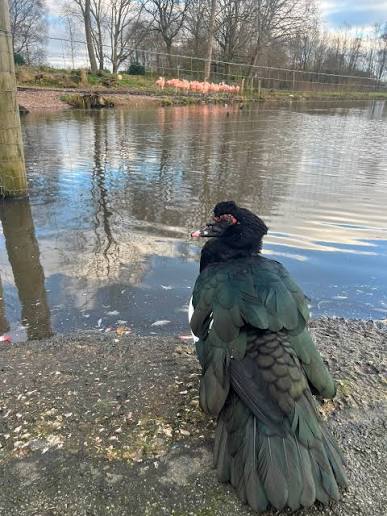
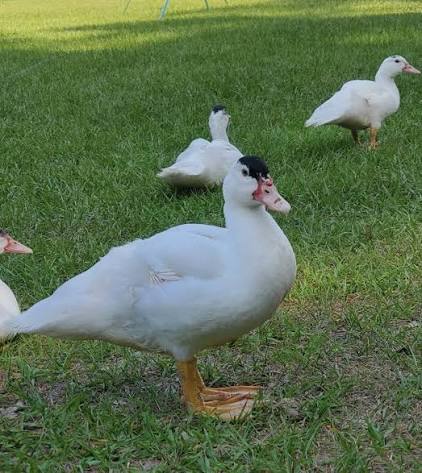
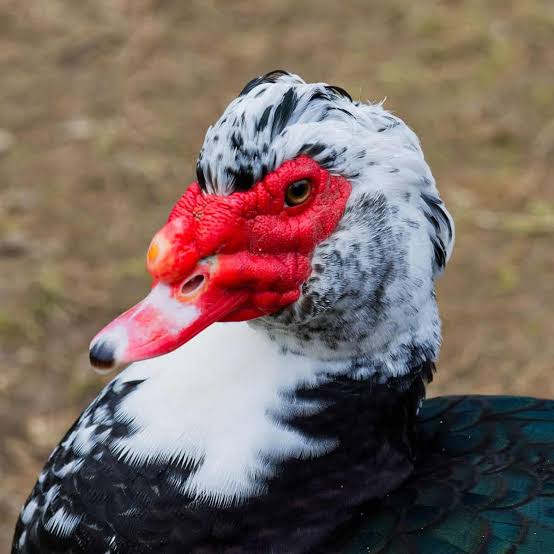
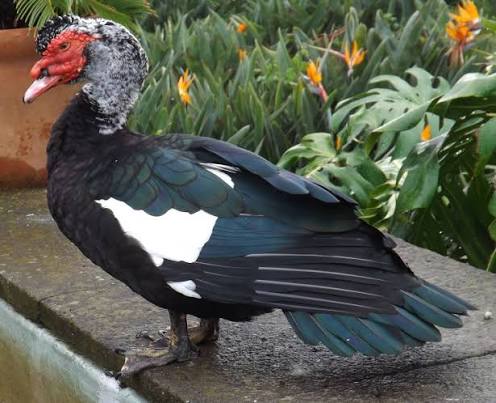
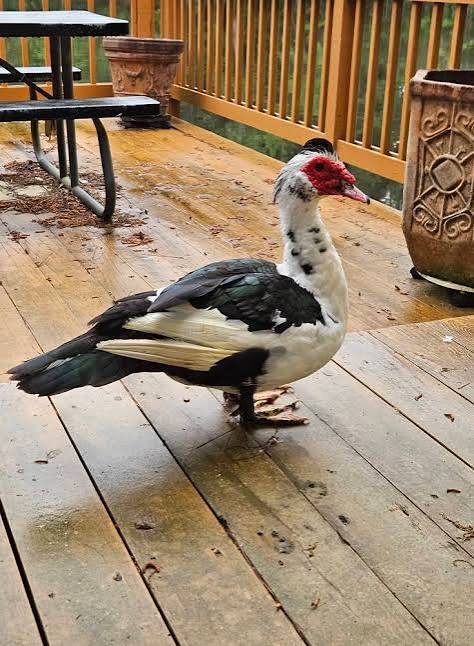
The Muscovy duck (Cairina moschata) is a large species of duck easily recognized by the red, fleshy skin—known as caruncles—around its face. Unlike the familiar quacking mallard, Muscovy ducks are relatively quiet. They tend to communicate through hissing, soft calls, head movements, and other body language.
Florida Fish and Wildlife Conservation Commission, or FWC, classifies Muscovy ducks in Florida as nonnative Class III wildlife. A permit is not required to keep one as a personal pet, although permits can be required for activities such as exhibition or sale. Large feral populations have become established throughout parts of Florida, particularly in urban and suburban areas.
Why Are There So Many Muscovy Ducks in Florida?
Muscovy ducks reproduce effectively in Florida’s warm climate.
Residential communities also provide many of the resources they need:
- Ponds and canals
- Grassy areas
- Trees and landscaping
- Artificial lakes
- Food provided by people
- Relatively few large predators in heavily developed areas
A single neighborhood can therefore develop a significant population over time. Feeding can make the problem worse by concentrating birds around people and encouraging them to remain in areas where conflicts occur. What begins with residents enjoying a few ducks can eventually become dozens of birds gathering around homes, roads, sidewalks, or parking areas.
Why Some People Consider Muscovy Ducks a Nuisance
Muscovy ducks can create legitimate conflicts. Large groups may leave substantial amounts of droppings on sidewalks, docks, driveways, patios, and around ponds. They may also nest near homes or businesses. Male Muscovies can become territorial, particularly around breeding season. Individual ducks may chase people or other animals when they feel threatened or when they have become accustomed to receiving food from humans.
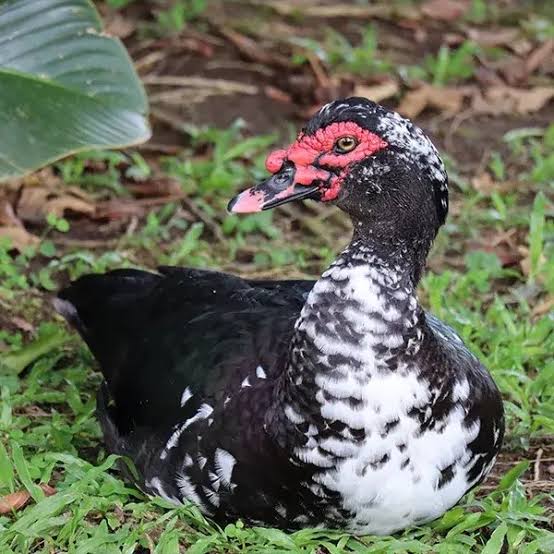
In Cape Coral in 2025, for example, residents reported that a Muscovy duck repeatedly chased and bit people, with one person reportedly requiring medical treatment.
Conflicts like these need to be addressed. But a nuisance problem does not justify cruelty. There is an enormous difference between legal, humane wildlife management and intentionally making an animal suffer.
Muscovy Ducks Are Nonnative—but That Does Not Remove Animal-Cruelty Laws
One of the biggest misconceptions about Muscovy ducks in Florida is that because they are nonnative, people can do anything they want to them. That is not true.
Florida Statute 828.12 applies broadly to animals and prohibits acts including unnecessary torment, mutilation, killing, or other cruel treatment. More serious intentional acts resulting in a cruel death or excessive or repeated unnecessary suffering can constitute aggravated animal cruelty.
In other words, the legal status of Muscovy ducks allows population control under specified rules. It does not create permission to torture them.
Federal Rules Allow Muscovy Duck Control
The legal situation surrounding Muscovy ducks can seem confusing because the species is covered by federal migratory-bird regulations while also being subject to a special federal control order.
The U.S. Fish and Wildlife Service’s current permitting handbook identifies Muscovy ducks under 50 CFR 21.174, which permits landowners and wildlife-management authorities to remove or destroy Muscovy ducks, nests, and eggs throughout most of the United States, including Florida.
FWC likewise explains that landowners can remove Muscovy ducks from their property under the federal control order or hire a nuisance-wildlife trapper. But removal must still comply with applicable laws and humane requirements. That distinction is extremely important.
Legal Removal Is Not the Same as Abuse
A person who has a genuine Muscovy duck problem has legal options. FWC states that ducks can be live-captured through humane techniques such as nets or cage traps. Traps must be checked regularly, and non-target wildlife accidentally captured must be released at the site.
Under the federal control order, captured Muscovy ducks cannot simply be driven somewhere else and released. Florida also prohibits relocation of nonnative nuisance wildlife except for purposes associated with humane euthanasia. Therefore, residents should not attempt to solve a neighborhood problem by secretly moving the ducks to another lake or park.
Why Muscovy Ducks Cannot Simply Be Relocated
Relocation may sound more compassionate than euthanasia, but wildlife management is more complicated than moving an animal from one pond to another.
FWC notes that relocated wildlife may struggle to find food, water, shelter, or appropriate territory. Moving animals can also spread disease and create new conflicts elsewhere.
For Muscovy ducks specifically, federal and Florida rules restrict their release because established populations can reproduce rapidly and because of concerns about interactions with native waterfowl. FWC states that releasing captured Muscovy ducks elsewhere violates federal regulations.
That means someone who captures a group from one condominium complex cannot simply dump them at another lake.
Reports of Muscovy Ducks Being Killed in Florida
Concerns about cruelty toward Muscovy ducks are not hypothetical. Several Florida communities have reported disturbing incidents.
North Miami Duck Killings
In May 2024, residents of the Keystone Point neighborhood in North Miami reported finding large numbers of dead Muscovy ducks and ducklings. One resident estimated that approximately 45 ducks had been found dead over several days, and local news reported video appearing to show a duck wounded in the chest. Police investigated the incidents.
The reports disturbed residents who had grown accustomed to seeing the birds throughout their neighborhood.
Hallandale Beach Deaths
In July 2025, residents in Hallandale Beach found 17 Muscovy ducks dead, including adult birds and ducklings. Local authorities investigated after circumstances surrounding the deaths were described as unusual and potentially involving intentional harm. At the time of the initial reporting, the exact cause had not been established, so it is important not to describe the incident as proven intentional poisoning or killing without further evidence.
Melbourne Animal-Cruelty Case
A particularly disturbing case occurred in Melbourne in 2018. Police arrested a man and charged him with aggravated animal cruelty after authorities alleged that he beat an adult duck and stomped ducklings to death.
Authorities reportedly removed surviving ducklings and placed them into foster care. This case demonstrates an important legal principle: A Muscovy duck’s nonnative status does not eliminate the possibility of criminal animal-cruelty charges.
Not Every Muscovy Duck Killing Is Automatically Illegal
It is equally important to be accurate about the law. Seeing someone legally removing or euthanizing Muscovy ducks does not automatically mean animal cruelty has occurred.
Under the federal control order and Florida regulations, property owners have legal options for dealing with established Muscovy populations.
For example, in Southwest Ranches in late 2025, neighbors reported that people in a vehicle had shot Muscovy ducks. Police investigated and ultimately reported that they had not established a crime in that particular incident.
That does not mean every shooting or killing is legal. The circumstances, location, method, landowner authorization, local firearm ordinances, and whether the animals were subjected to unnecessary suffering can all matter. Residents who witness questionable conduct should therefore report what they actually observed rather than trying to determine the legality themselves.
Why Wounding Ducks Is Especially Cruel
One of the most serious welfare concerns occurs when an animal is injured but not killed. A wounded duck may still be able to walk, swim, or hide even while suffering from severe internal injuries.
Pellets or other projectiles can cause:
- Broken wings
- Fractured bones
- Eye injuries
- Internal bleeding
- Organ damage
- Infection
- Inability to fly
- Slow starvation
- Prolonged pain
An injured bird may disappear into vegetation where nobody realizes how badly it is suffering. Wildlife control should never mean deliberately leaving injured animals behind.
Ducklings Are Particularly Vulnerable
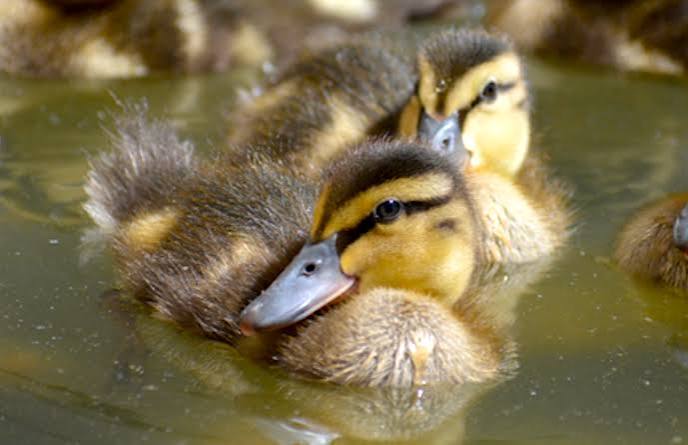
Baby Muscovy ducks are defenseless compared with adults. Ducklings depend heavily on their mother for warmth, protection, social development, and guidance. Killing a mother can therefore affect an entire brood.
Young ducklings left alone may become vulnerable to:
- Predators
- Traffic
- Dehydration
- Chilling
- Drowning
- Starvation
Deliberately harming ducklings is especially troubling because they have almost no ability to defend themselves or escape.
Running Over Ducks Is Not Population Control
Muscovy ducks commonly gather near roads and parking areas. They sometimes cross slowly, particularly when a mother is leading ducklings. Drivers should slow down whenever it is safe to do so. An unavoidable collision is very different from deliberately steering toward an animal.
Intentionally striking an animal with a vehicle for amusement or anger can create serious animal-welfare and potentially legal concerns. No nuisance problem justifies deliberately inflicting suffering on an animal.
Poisoning Ducks Can Harm Much More Than Muscovies
Poison should never be used casually as a solution to a duck problem. A toxic substance intended for Muscovy ducks could also be consumed by other wildlife.
Potential victims could include:
- Native ducks
- Geese
- Wading birds
- Songbirds
- Turtles
- Fish
- Dogs
- Cats
- Raptors or scavengers that consume poisoned animals
The ecological damage can therefore spread far beyond the original target. Anyone who suspects animals are being deliberately poisoned should avoid touching suspicious substances with bare hands and report the situation to the appropriate authorities.
Feeding Muscovy Ducks Can Contribute to the Problem
People who love ducks often feed them because they believe they are helping. Unfortunately, regular feeding can contribute to the very conflicts that later put the birds in danger. When ducks associate humans with food, they may lose their natural caution and begin approaching people aggressively.
Artificial feeding can also encourage unusually large concentrations of birds in small areas. More ducks produce more droppings. More droppings lead to complaints. Complaints can eventually lead to pressure for population removal. One of the most compassionate ways to coexist with Muscovy ducks is often to stop creating artificial food dependence.
Bread Is Not a Good Solution
Bread, crackers, chips, and similar processed foods are often given to ducks. These foods are not appropriate substitutes for a natural, nutritionally balanced diet.
Repeated hand-feeding also encourages birds to approach humans. People can appreciate Muscovy ducks without turning them into animals that expect every passing person to provide food. Observation is often kinder than feeding.
Humane Ways to Reduce Conflicts
Communities dealing with Muscovy ducks should first look at why the birds are gathering there.
Possible strategies include:
- Stop intentional feeding.
- Secure garbage and food waste.
- Educate residents about wildlife feeding.
- Modify landscaping where appropriate.
- Prevent nesting in unsuitable locations before nesting begins.
- Use lawful nonlethal deterrents where practical.
- Consult FWC guidance.
- Hire an experienced nuisance-wildlife professional when removal is necessary.
Population problems are easier to prevent than to solve after dozens of animals have become dependent on a particular area.
Homeowners Associations and Property Managers Have a Responsibility Too
Many Muscovy conflicts occur in condominium complexes, apartment developments, golf communities, and homeowners associations. Management decisions can therefore affect large numbers of animals.
Before hiring someone to remove ducks, property managers should determine:
- What methods will be used?
- Is the contractor experienced with waterfowl?
- Will birds be captured humanely?
- What will happen after capture?
- How will ducklings be handled?
- What laws and regulations apply?
- How will injured animals receive care?
- Are residents being informed appropriately?
The cheapest solution is not necessarily the most humane solution.
What to Do If You Witness Muscovy Duck Abuse
If you see someone intentionally injuring or torturing a duck, prioritize your own safety. Do not place yourself in danger by confronting an armed or violent person.
Instead, when possible:
- Record the location.
- Write down the date and time.
- Note vehicle descriptions or license plates.
- Photograph or record the incident from a safe and lawful location.
- Preserve original videos or photographs.
- Contact local police or animal control when active cruelty is occurring.
- Report relevant wildlife violations to Florida authorities.
Florida FWC maintains a Wildlife Alert system for reporting suspected wildlife-law violations. For an animal that is badly injured and suffering, local animal control, a veterinarian, or an appropriate wildlife organization may also be able to provide guidance.
Do Not Attempt Dangerous Rescues Yourself
Seeing an injured duck naturally makes people want to help immediately. But a frightened adult Muscovy can scratch, bite, or strike with its wings. The bird may also have fractures or internal injuries that can become worse if it is handled improperly.
Whenever possible, contact someone experienced with waterfowl before attempting capture. If immediate rescue is necessary because the animal is in traffic or another life-threatening situation, personal safety should still come first.
Muscovy Ducks Feel Pain
Sometimes the language surrounding nonnative animals makes them seem like objects rather than living creatures. They are called pests, nuisances, invasives, or problems. Those classifications may be important in wildlife management, but they do not change the fact that the animal itself can experience injury, fear, and pain.
Population management can be necessary without becoming cruelty. Those two ideas are entirely compatible. A community can decide that a Muscovy population needs to be controlled while still insisting that every animal be treated as humanely as possible.
The Problem Humans Helped Create
It is also worth remembering that Florida’s Muscovy duck situation did not arise because the birds made a conscious choice to invade suburban neighborhoods.
Humans introduced, bred, kept, released, and fed these birds. Human-created ponds and developments then provided environments in which populations could grow.
When those populations become inconvenient, the animals often receive the blame. Recognizing the human role in the problem should encourage responsible management rather than anger toward the birds themselves.
Nonnative Does Not Mean Worthless
Native wildlife conservation is extremely important. Nonnative species can create genuine ecological problems and sometimes require population control. But describing an animal as nonnative is a biological and regulatory classification—not a statement about whether the individual animal is capable of suffering.
Wildlife policy sometimes requires difficult decisions. Those decisions can still be made humanely. Cruelty should never become acceptable simply because the victim belongs to a species that people consider undesirable.
Education May Be the Best Long-Term Solution
Much of the conflict surrounding Muscovy ducks comes from misunderstanding. Some residents feed them every day. Other residents become angry when populations increase. Some people believe the birds are completely protected.
Others believe their nonnative status means there are no rules at all. Neither extreme accurately describes the situation. Florida communities need clear education about responsible coexistence, feeding, legal population management, and animal-cruelty laws. When residents understand the rules before problems escalate, both people and animals benefit.
Final Thoughts
Muscovy ducks occupy an unusual position in Florida. They are familiar neighborhood animals to some residents and unwanted nonnative wildlife to others.
Florida and federal regulations allow their populations to be controlled under specific circumstances. But those rules should never be confused with permission to torture, beat, wound, poison, or otherwise cause unnecessary suffering.
Florida’s animal-cruelty statute applies broadly to animals, while FWC provides specific rules governing Muscovy duck management. Communities can address legitimate wildlife conflicts without abandoning compassion.
Stop feeding large populations. Reduce attractants. Use knowledgeable wildlife professionals. Report intentional cruelty. And when population control becomes necessary, insist that it be performed lawfully and humanely.
A heartfelt Story
A Muscovy duck may be nonnative to Florida, but it is still a living animal—and nuisance status should never be an excuse for cruelty.
Mick the Muscovy duck was found as a duckling who lost his family when he was very young, and was found by Toni and rescued. Ducklings will readily imprint on humans and view them as their family. She raised this sweet boy and Mick became very attached to her. She also taught him to survive in the wild. Mick was always free to go where he wanted, when he was old enough to fly and fend for himself. He would always come back to Toni to visit her.
Ducks are amazing this way. They never forget you and who raised them, fed them, loved them and can be amazing, loving animals, just like a dog or a cat. They have sweet personalities and are very social and smart. Unfortunately also trust humans and will go to them for food and then are captured, tortured and killed.
One day, Mick never returned home. Toni never saw him again and to this day, she is not sure what happened to him. We can only assume the worst although we always remain hopeful he will come back. But it’s been a year now since he was last seen and there is very little hope at this point, that he will ever come back home to his adopted mother, because someone somewhere might have hurt him. Mick trusted humans.
What we can do
It’s our job to help these birds stay safe and we can, maybe relocate them into safe rescues or sanctuaries willing to take them to keep them safe from harm. Teach your children to respect animals, their lives also matter as much as any native species. Keep your dog on a leash if you see wild animals, ducks, snakes or any wild life.
Caring for animals makes us humans, having empathy is what makes us human. It’s our empathy towards innocent animals that defines us as being human beings. Animals are not born with malicious intent towards humans. They are only born to survive the harsh environment that is the wild and on top of that, they also have to be aware of predators and humans. A baby animal is not raised with the intention to hurt humans.
If you would like to do your part in helping Muscovy ducks, you can sign this petition started by Toni to end the cruelty done to these poor ducks.
Sign the petition here
You can also help them by contacting Fish & Wildlife and letting them know how outrageous the treatment of these ducks is.
Florida Fish and Wildlife Conservation Commission • Farris Bryant Building
620 S. Meridian St. • Tallahassee, FL •
Florida Fish & Wildlife (850) 488-4676
Call, write, let them know through their social media pages how unhappy the treatment of these poor ducks makes you. I think after introducing them against their will, we owe them this much.
Mick & His Mom